
Start Fast — Problem-driven diagnostic mindset
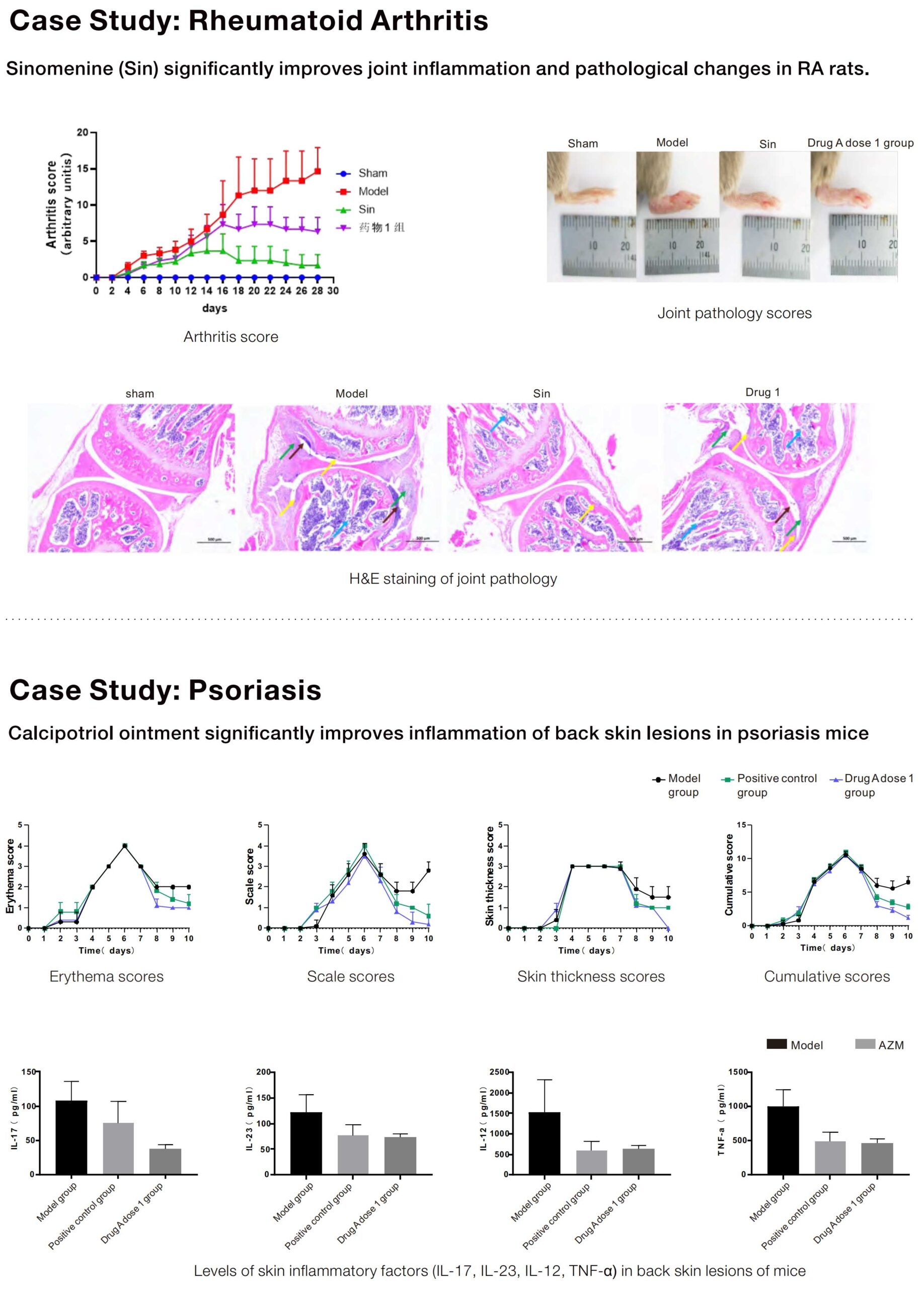
You want clear reads from messy assays. Treat each dataset like a muscle: test, isolate weakness, and correct form. When a result looks off, check study design, reagent consistency, and animal cohort balance before you tweak analysis. Early on, link bench findings to relevant preclinical platforms such as autoimmune disease models to verify that immune readouts behave as expected in controlled systems.

Common traps that distort vaccine signal
Selection bias in cohorts, batch effects from unstable reagents, and inconsistent adjuvant use are the big three. Missing randomization or blinding skews endpoints. Small sample sizes amplify outliers; low antibody titer changes get lost in noise. Use murine models judiciously — they reveal mechanistic trends but can mask human variability. At the NIH in Bethesda, MD, teams running EAE and other murine studies learned to cross-validate immunophenotyping platforms to reduce false leads.
Step-by-step diagnostic checklist
Run a quick protocol audit. Confirm antigen identity and purity, verify adjuvant lot records, and confirm timepoints line up between arms. Then parse the raw data: remove technical replicates only when justified; avoid over-filtering. Apply orthogonal readouts — ELISpot plus flow cytometry, or cytokine multiplex alongside serology. If a single assay drives the finding, re-run it with independent reagents. Also scan for confounders like cage effects or diurnal sampling differences — those hide in plain sight.
Data-cleaning tactics that actually work
Normalize within-batch before across-batch. Use paired analyses where possible to boost power. When using statistical thresholds, report both p-values and effect sizes — significance without magnitude is a false win. Visual checks beat blind reliance on scripts: plot raw traces, not just summary bars. When you annotate exclusions, log the justification; transparency stops accidental bias from creeping back in.
Common mistakes and how to avoid them
Avoid these predictable missteps: 1) trusting a single surrogate endpoint, 2) assuming murine immune kinetics mirror human kinetics, 3) skipping validation of new reagent lots. Re-run critical assays with independent experimental models — for example, compare your primary dataset to results from experimental models of autoimmune disease to see if immune activation patterns are consistent. Small interventions can prevent big reworks later.
Operational teardown — apply this fast
Start with a three-minute audit: list variables, flag non-random factors, and tag single-point failures. Then run {main_keyword} checks alongside {variation_keyword} to confirm signal stability. If the signal collapses after normalization, you found batch bias. If it holds, proceed to subgroup checks. Keep your actions tight: fix one variable, re-test, document outcome. This repeatable loop moves you from guesswork to reproducible findings.
Human interruptions — quick reality checks
Don’t let perfect be the enemy of good — retest the critical endpoint rather than rebuilding the whole study. Small, focused repeats salvage timelines. — Also, speak with the tech who ran the assay; operator notes often explain sudden shifts.
Advisory: three golden rules to pick the right strategies
1) Prioritize independent orthogonal validation: combine functional assays and phenotype readouts to confirm mechanism. 2) Insist on documented reagent traceability and lot testing windows — reproducibility starts at sourcing. 3) Use paired designs or crossover where ethical and practical; they crush inter-subject variability and raise power.
Final assessment and next step
Fix the methodology first, then interpret biology. Expect clearer effect sizes, fewer retractions, and faster translation when you standardize assay practice. Trust measured checks over assumptions — and remember, a robust pipeline aligns preclinical insight with clinical intent. Jennio Biotech fits into that workflow as a practical partner for validated models and reagent continuity — the kind that keeps your evidence honest and your timelines sharp. —