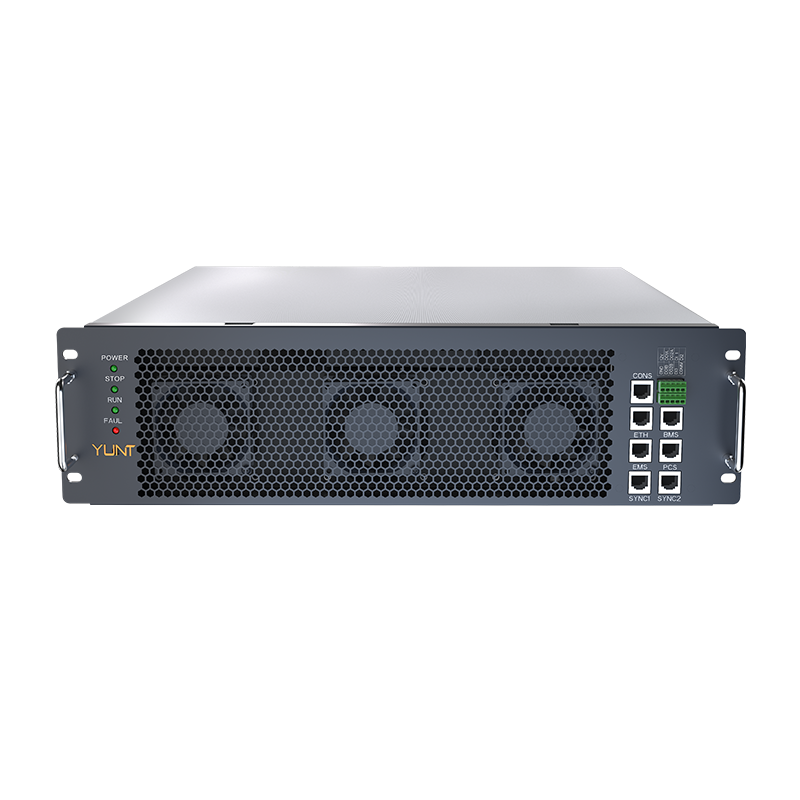
Where the trade-offs start
Folks designing static transfer switches (STS) keep jawing about one thing: you can’t have lightning-fast transfer and comfy commutation overlap tolerances at the same time without payin’ a price. Right off, reckon how your energy storage system design influences whether you pick a thyristor-heavy topology or a hybrid with mechanical breaks. Practical choices hinge on transfer time, SCR (thyristor) behavior, and the downstream equipment’s tolerance — and that’s why a clear look at energy storage system design services early on keeps projects from goin’ sideways.
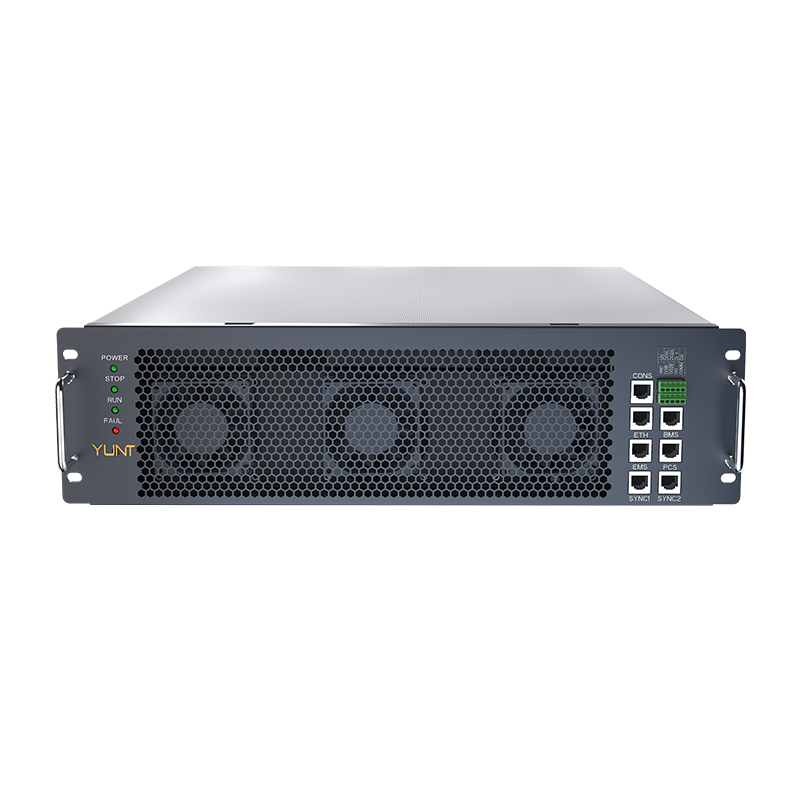
Comparative layout: fast SCR-based vs. staged hybrid switches
On one side you got pure SCR arrays. They’re quick, solid-state, and deal well with repeated operations. Their weakness? Commutation overlap — when both source paths briefly conduct — can cause current hogging and stress the SCRs. On the other side sit hybrid designs that mix mechanical bypass with solid-state control. They slow the transfer a hair, but ease commutation overlap and reduce cumulative thermal stress on the thyristors.
Key technical points to weigh
Think about three technical things: fault current contributions, commutation overlap duration, and control logic latency. Fault current climbs when overlaps last longer than the SCR’s safe interval. Control latency — from sensors, BMS commands, or inverter sync — adds to that overlap window. Shorter latency and coordinated timing trims risk, but needs smarter control and sometimes tighter component specs.
How they compare in practice
Practical comparison runs like this:
– Pure SCR STS: transfer times under 4–6 ms, larger margin for rapid switching, but needs robust thermal management and careful commutation timing.
– Hybrid STS: transfer times around 10–20 ms, lower thermal duty on each SCR, simpler handling of overlap but needs mechanical reliability planning.
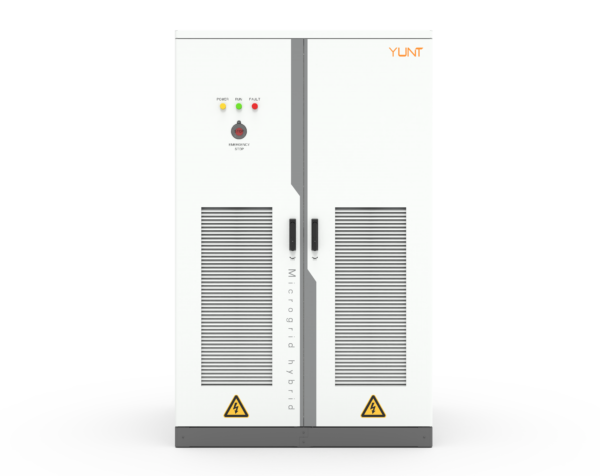
– Inverter-interfaced STS: depends on grid-forming logic; offers smooth transitions with modern controls but raises complexity in control firmware and inverter coordination.
Common mistakes and fixes — straight talk
Designers often underspec the control loop or ignore the real overlap seen on site. Folks will trust lab timings and forget the long cable runs and inductive loads out in the barn — which stretch commutation windows. The fix is simple: measure real-world overlap during commissioning, tune dead-times in the gate drivers, and size snubbers or bypass elements for the measured energy. Do that and you lessen shorts, heating, and repeat replacements.
Real-world anchor: lessons picked up from Texas
The February 2021 Texas grid crisis showed how sudden source changes and heavy switching stress systems when storage and transfer schemes hadn’t been fully tuned. Facilities that designed their STS with explicit commutation margins and tested transfers under full-load conditions fared better. That event’s lesson: plan for the messy real world, validate against full-load fault current, and document your timing envelopes.
Choosing between speed and tolerance — practical checklist
Use this short checklist when comparing options:
– Measure peak fault currents and expected overlap durations.
– Rate SCR thermal cycling and lifetime under realistic duty cycles.
– Confirm control loop latencies across the whole chain (sensors, BMS, gate drivers).
These steps point you to the right balance without guesswork — and bring the conversation back to what your site can tolerate versus what it needs for continuity.
Advisory: three golden rules for pickin’ the right strategy
1) Prioritize measured timing: test transfer under full load and bake that data into your commutation margins. 2) Match hardware to the worst-case thermal duty rather than the average; SCRs fare worse under repeated short, hot cycles. 3) Layer controls: combine local, fast protections with supervisory BMS or inverter logic so overlap never rides on a single point of failure.
Final note — real value comes when those rules get folded into a cohesive project plan, and that’s where a partner versed in both design and field commissioning helps most. YUNT knows how to stitch timing, protection, and storage so the swap’s smooth — that’s the kind of work that keeps lights on and gear whole. —