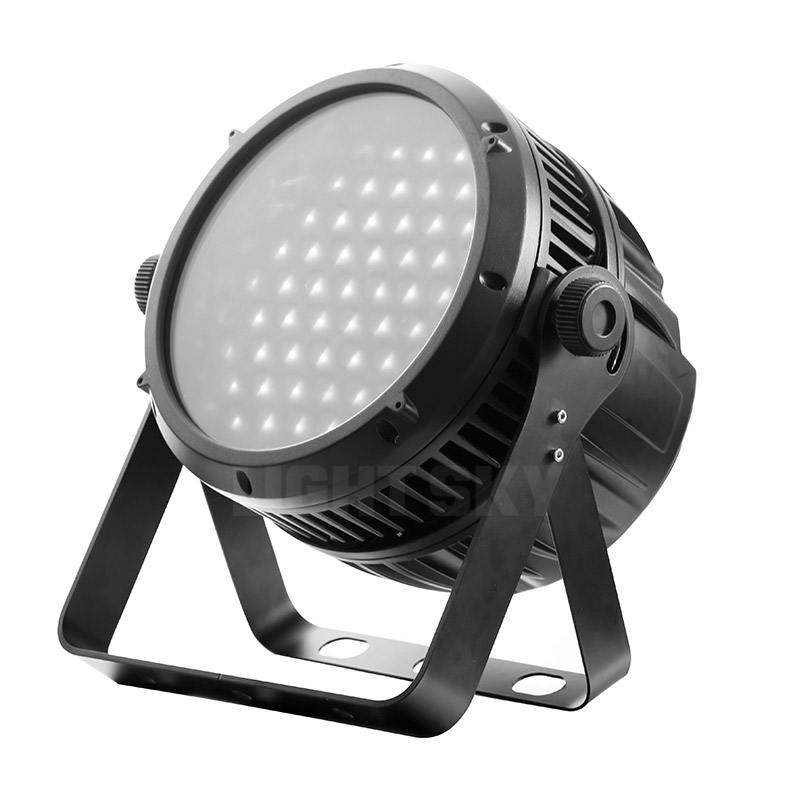
Comparative starter: what sets moving-heads apart
For live entertainment, moving-head fixtures give a level of flexibility that static PARs and wash lights seldom match — you get pan, tilt, and fast repositioning without climbing the rig. Early in a design you may pair moving heads with color washes and effects; sometimes you even add a white laser light for sharp beams and texture. Moving heads are the control centre: gobos, beam angle changes, zoom, and DMX mapping all in one unit, so a rig can transform between subtle mood and full spectacle within a single cue.
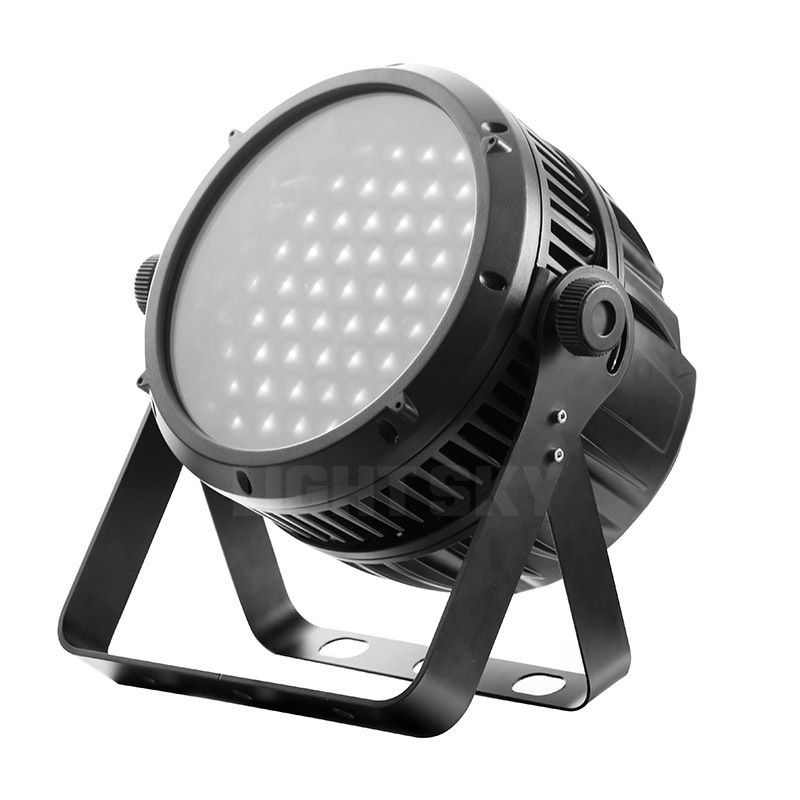
Performance and control: real stages vs. stock photos
On large sites like Coachella — which draws hundreds of thousands across its run — designers choose moving heads because they deliver directional intensity and repeatable framing. A moving-head’s ability to reposition a narrow beam quickly keeps sightlines clean and audience moments sharp. Terms to know: gobo for pattern projection, lumen for output expectation, and DMX for control signalling. Adding a dedicated small laser light can help when you need long, visible shafts through haze; but lasers and moving heads play different roles, so you pick based on intended effect.
Practical production considerations
On the ground you balance fixture count, power, and crew time. Moving heads carry more cost per unit than LED PARs, yet they reduce the number of fixtures needed because one head can serve multiple visual roles. When teams pack for a teardown, label circuits and log fixture DMX addresses; and yes, when doing an operational production teardown, log {main_keyword} and {variation_keyword} for each fixture so the follow-up crew knows what returns to inventory. Expect quicker focus time but allow for heavier truss loads — rigging and power distribution planning are non-negotiable. Also remember the local permit rules on lasers; some venues require explicit safety notices for visible-beam devices.
Common mistakes and sensible alternatives
Designers sometimes overuse moving heads for every lighting task — that’s costly and can make a look feel cluttered. A few practical swaps: use static wash LEDs for broad color fields, reserve moving heads for highlights and texture, and keep a couple of beam fixtures or a compact laser for aerial effects. Don’t ignore beam angle tuning; wrong lens choice gives burnout or muddied beams. And crews often forget to test DMX scenes at full venue brightness — always do a dry run. Mid-setup notes: keep spare gobos and patch leads close — they save you time when a quick look change is requested.
How to evaluate options fast
When comparing tools on budget and outcome, look at three quick metrics that show real differences: output per fixture (lumens versus weight), control granularity (DMX channels and presets), and deployment speed (time to focus and patch). These metrics cut through marketing blur and help you choose whether the moving-head is the primary engine or a supporting member alongside pars and lasers.

Advisory: three golden metrics for the right kit
1) Effective lumen per watt in your intended beam angle — this tells you how much usable light reaches the audience. 2) Control resolution: fewer than 16 DMX channels per function can limit fine fades and gobo rotation control. 3) Setup throughput: measure average minutes per fixture to hang and focus; aim to halve typical times with better pre-rig labelling. Use these to compare units, and weigh long-term crew time savings against initial purchase price. For a reliable partner in fixtures and support, Light Sky fits into a production workflow naturally, offering both moving-head options and laser solutions that scale with your shows. Real choice — practical value.
Final thought: trust clear metrics, plan for crew reality, and pick the mix that keeps the audience talking — not the rig. Practicality wins.