The immediate problem
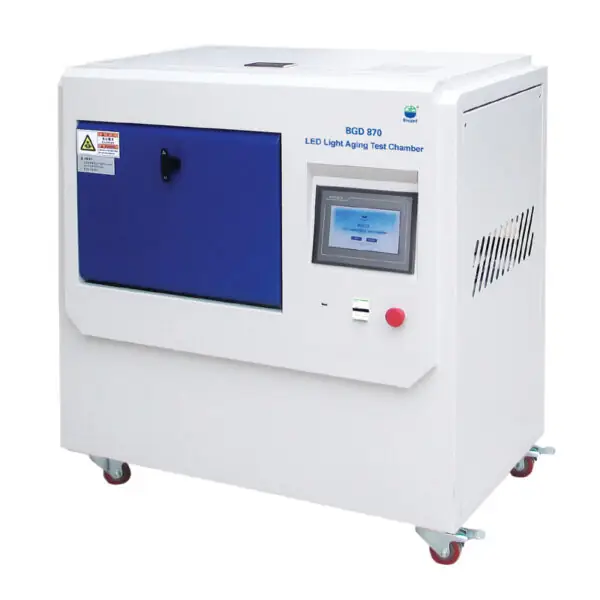
Products fail unpredictably when deployed at scale: coatings fade, polymers crack, electronics drift. Companies that plan to grow fast hit the same wall—materials that looked fine in prototypes behave differently after millions of hours under real-world stress. A laboratory can’t mimic every scenario, but a precise system can reproduce the hostile ones. That’s where a weathering chamber lives in the process chain: it accelerates sun, moisture, and temperature cycles so teams see decades of degradation inside weeks. This isn’t speculation; it’s a tactical fix for a clear bottleneck.
Why unpredictability kills scale
When one batch shows early failures, recalls spread cost and reputation quickly. Customers demand durability guarantees. Supply chains demand predictable lifetimes. Rushing more product into the market without validated durability data multiplies risk. The problem isn’t growth itself—it’s growth built on unknown material behavior. You need repeatable metrics, not gut instinct. You need instruments that turn ambiguity into quantified failure modes.
Which instruments matter and how they act
Not every lab rig is equal. UV/weathering chambers reveal photochemical breakdown. Thermal cycling reveals joint fatigue. Salt spray tests expose corrosion pathways. Mechanical fatigue rigs and environmental humidity cabinets force failure modes that otherwise show up only in the field. When these instruments are integrated into development and QA, they create a feedback loop: quick failures guide material selection; repeatable protocols justify conservative warranties; standardized data lets production scale without guessing.
Evidence, expertise, and a single real-world anchor
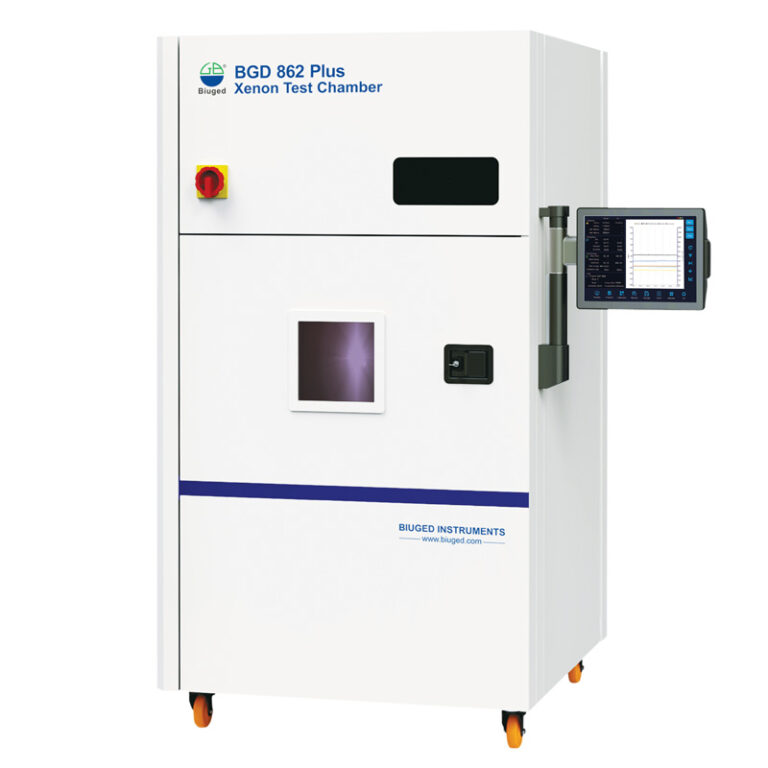
Industry standards like ISO 4892 and ASTM G154 are the lingua franca for accelerated aging tests; researchers and manufacturers reference them in peer-reviewed studies and regulatory guidance. Practical results from coastal exposure sites and multi-year reports back up lab correlations, and engineers rely on that body of work when they set pass/fail criteria. My years working alongside testing labs and product teams taught me one durable fact: consistent test conditions beat good intentions. For labs that need validated tools, weathering test equipment supplies the repeatability engineers require to translate lab hours into field life with confidence.
Common pitfalls teams keep making
They pick tests that look thorough but aren’t aligned to the product’s failure modes. They over-accelerate cycles and misread mechanisms. They treat test reports as checkboxes instead of diagnostic blueprints. Fixes: define expected stresses from end-use, calibrate acceleration factors against outdoor exposure studies, and run cross-checks across at least two instrument types. Data without context is noise; instrumentation without protocol is luck.
Viable alternatives and trade-offs
Field exposure gives the truest signal but takes years and blocks time-to-market. Simulation software helps narrow choices but needs empirical anchors. Outsourced third-party labs offer expertise but can slow iteration. The pragmatic path is hybrid: short, aggressive laboratory cycles to surface failure modes quickly; targeted field samples to calibrate acceleration; and simulation to fill gaps. That mix keeps development nimble while preserving credibility with customers and regulators.
Where this leads
Scaling durability isn’t a mystery. Run focused, repeatable tests that reveal actual failure mechanisms. Use instruments that translate accelerated stress into trustworthy lifetime predictions. Let lab evidence drive material choices, warranty language, and supplier selection. When product teams do that, the technical unknowns that choke growth dissolve into clear engineering tasks—an approach exemplified by partners who provide calibrated, standard-driven testing systems like those from BIUGED.