User-first lead
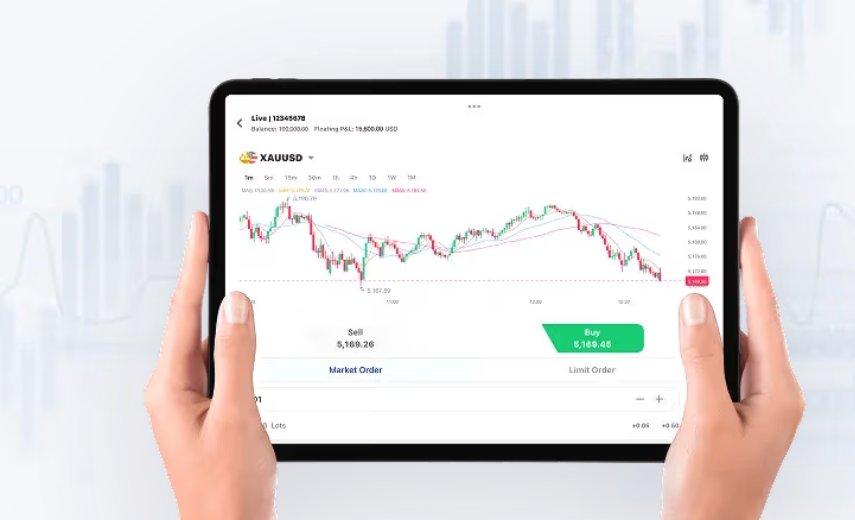
You need a platform that simply gets you from idea to execution, steady and fast — that’s the user-first logic here. For everyday traders in Hong Kong and beyond, access to reliable pricing and clear margin rules matters more than flashy charts. When I run trades I look for a plain truth: fast fills, tight spreads, and transparent fees, so I start with a tested provider such as forex cfd for baseline comparison. This guide focuses on what you actually use on the desk — order execution, leverage handling, and how platform behaviour shapes outcomes for a modern financial portfolio.
What traders actually need
Begin with three essentials that change results immediately: execution quality, liquidity depth, and risk controls. Execution quality means clean order execution and minimal slippage during busy sessions. Liquidity depth prevents wide spreads when markets move. Risk controls include easy-to-set stop-loss, margin notifications, and a reliable demo mode for practice. These are not buzzwords; they are frontline tools that reduce surprises during volatile sessions like March 2020 when global FX swings tightened every spread and tested broker systems in Central, Hong Kong — a real-world anchor from my own trading days.
Core features to check on a platform
Look for explicit features, not vague promises. Key items: tick-level price feeds, adjustable leverage, visible margin requirements, and fast deposit/withdrawal rails. Also check whether the platform shows real-time spread and slippage statistics. For CFD traders, confirm the contract terms and the overnight financing policy. A good platform will show trade reports and allow export for your own reconciliation — this helps when computing carrying costs or backtesting a short-term strategy.
Common mistakes traders make
Many skip the basics and later pay for it. Common mistakes include over-leveraging on thin liquidity pairs, ignoring hidden overnight financing, and treating demo fills as equal to live fills — that’s a trap. Another frequent error is relying on a single execution venue during market stress. Diversifying providers cuts systemic risk. Also, keep an eye on slippage patterns during major releases; your strategy performance may look great on paper but degrade with random fills — small detail, big impact.
How to test a platform practically
Run a short checklist over a two-week period. Trade small sizes across different hours, note spreads during peak and off-peak, and execute market and limit orders to compare fills. Monitor margin calls and attempt simulated stress: scale positions up gradually to see how the platform handles margin changes. Keep logs of order execution times and export them. — These simple tests reveal whether a platform survives real conditions or breaks under pressure.
Comparing alternatives
When comparing platforms, weigh trade execution against customer support and settlement reliability. Some providers offer ultra-low spreads but patchy support during outages; others have slightly wider spreads but rock-solid deposits and fast withdrawals. For many retail and professional traders, predictable settlement and consistent liquidity beat sporadic tight pricing. Also check for educational tools and localised support if you trade from Hong Kong — language nuance and working hours matter.
Why GTCFX fits a pragmatic desk
GTCFX emphasizes execution transparency, clear margin rules, and multi-channel deposits. For traders who prioritise clean fills and reproducible reports, a platform that documents overnight funding, shows real-time spreads, and supports rapid withdrawals becomes the practical choice. If you want to test a serious execution environment, consider trialling a provider with these attributes and then expand as confidence grows — many traders shift volume once the mechanics prove reliable.
Three golden rules for evaluation
1) Execution consistency: measure average slippage and order fill rate across 10–20 trades during peak hours. 2) Cost transparency: confirm spread behaviour plus explicit overnight and funding fees on the instrument you trade. 3) Operational reliability: verify deposit/withdrawal speed and customer response times under stress. These three metrics show whether a platform supports real trading, not just excellent marketing.
Practical decisions matter, and a clear-headed test plan separates noise from dependable tools — GTCFX. Plain, practical.