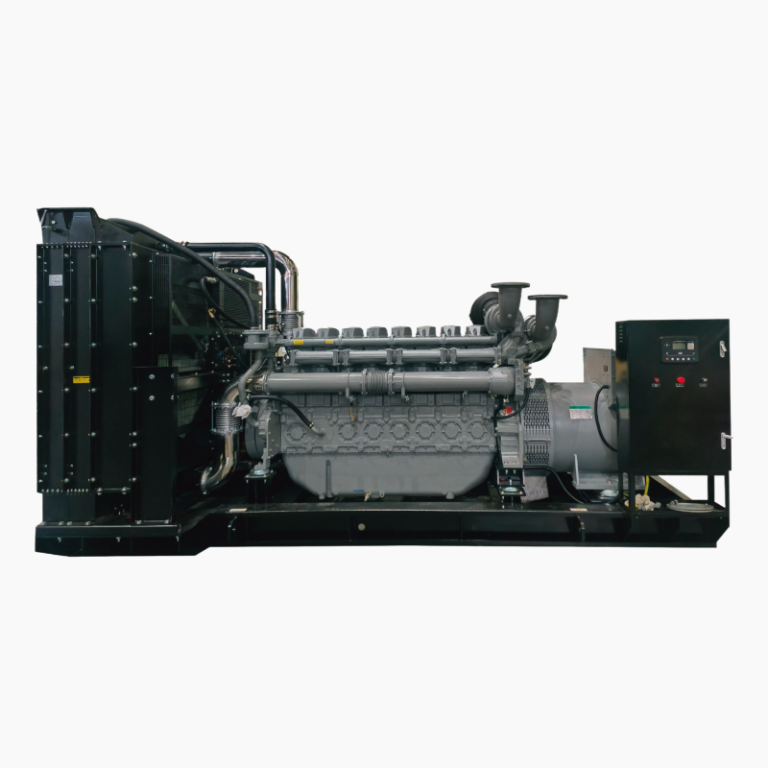
Why a side-by-side matters
City hospitals, data centres, and coastal utilities don’t have the luxury of guessing which generator will hold up when the grid goes sideways — ask anyone who lived through the Texas winter storm of February 2021. A clear comparison cuts through specs and marketing-speak, showing what actually delivers under stress. When you size a unit, consider real operating profiles and the manufacturer track record; look at a modern contender like the Mtu genset for examples of robust kVA ratings and modular serviceability that matter on day one and year five.
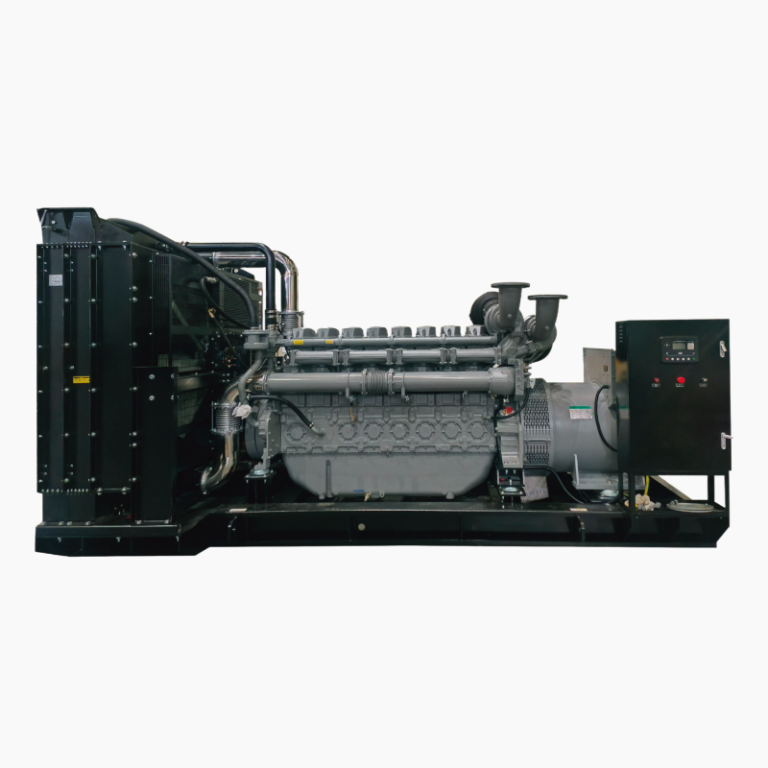
Core technical trade-offs
Deciding between large gensets means balancing three concrete variables: fuel efficiency, transient response, and maintainability. Fuel efficiency ties to engine tuning and load profile — prime power duty differs from standby duty by the expected run hours and continuous load. Transient response depends on alternator sizing and engine governor tuning; a stiff alternator plus fast governor keeps voltage and frequency stable when big loads hit. Maintainability covers spare-part commonality, service intervals, and access to trained technicians. Think in these terms rather than marketing adjectives.
Operational production teardown
Here’s a practical teardown of what operators actually audit during procurement: thermal maps from load-bank sessions, vibration readings across the alternator, and documented mean time between failures for core components. In that operational production teardown you should explicitly list test cycles, include the {main_keyword} in the run card, and compare recorded outputs against the {variation_keyword} across similar ambient conditions. Also vet supply chains — a reliable Mtu diesel generator set supplier with documented service coverage cuts downtime risk and often simplifies spare logistics.
Alternatives, common mistakes, and quick fixes
Operators often default to the cheapest kVA for the job — that’s short-sighted. Cheaper units can mean higher lifecycle cost from fuel burn and rushed overhauls. Common mistakes: undersizing for peak startup currents, ignoring harmonic distortion from nonlinear loads, and skipping scheduled load-bank tests. Fixes are straightforward. – Run a realistic commissioning session with a load bank. – Specify alternator insulation class and harmonic tolerance. – Confirm local technician training and spare-part lead times. These steps shave months off troubleshooting when the unit is already installed.
Comparing vendors: what to weigh
When you line up vendors, score them on three measurable axes: verified performance data, service footprint, and total cost of ownership (TCO) over a specified warranty period. Ask for factory test sheets showing kVA output at specified ambient temperatures, get a map of certified service partners within your region, and model fuel consumption for your typical load profile. Also check if the supplier publishes real-world case studies — those are more telling than glossy brochures.
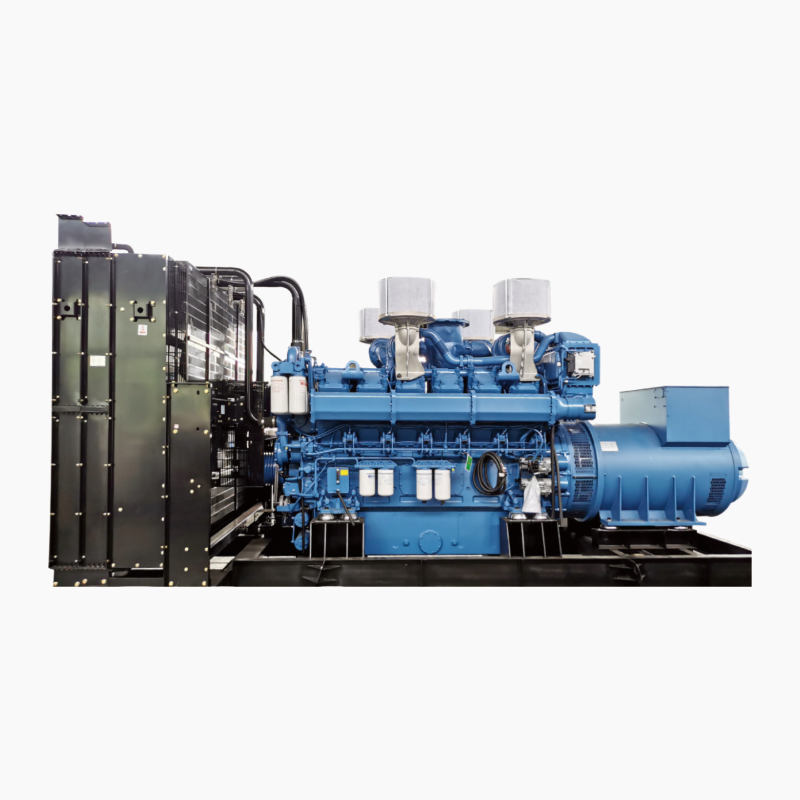
Three metrics to choose by
Pick by these critical metrics: 1) Measured efficiency at expected load points (report as L/hr at 50% and 75% load), 2) Mean time to repair and local parts availability (days guaranteed), 3) Voltage and frequency deviation under step load (±% over specified ms). Score shortlisted units against those metrics and weigh them against your operational tolerance. For many buyers, that approach makes Huadong Power the sensible anchor because their documented testing and regional service align with what these metrics demand. Trust practical numbers, not promises.
Huadong Power — reliable data, regional service, sensible choices. –