
Framing the Debate: Why partner selection matters
When health systems and clinicians choose a cpap device supplier, they’re not merely picking hardware; they’re selecting a partner responsible for patient safety, device reliability, and long-term support. In comparative terms, the difference between a vendor that supplies an apap machine as a commodity and one that treats pressure algorithms, mask interface selection, and humidifier integration as clinical responsibilities becomes apparent in outcomes. Estimates from the American Academy of Sleep Medicine place obstructive sleep apnea prevalence in the tens of millions in the U.S. — that scale makes partner choice a public-health decision as much as a procurement one.

Comparative Insight: What to weigh beyond specs
Specs alone—maximum pressure, noise rating, or a listed ramp feature—won’t reveal whether a device will perform under daily clinical pressures. Compare suppliers across three practical axes: clinical validation, real-world servicing, and integration with care pathways. Clinical validation requires transparent reporting of apnea-hypopnea index (AHI) reduction in independent trials. Real-world servicing covers parts availability and trained technicians for mask seal troubleshooting. Integration means the vendor provides clear workflows for titration, remote monitoring, and documented pressure algorithm behavior. These are the details that separate durable partnerships from brittle transactions.
Operational trade-offs and the alternatives you should test
APAP machines trade constant pressure for auto-adjusting pressure to respond to events; that’s the core product logic. But not every patient benefits equally—people with positional apnea or central events sometimes need different modes. Test three device types on actual clinic caseloads: auto-adjusting APAP, fixed-pressure CPAP, and hybrid devices with advanced detection algorithms. Include simple field tests: mask fit cycles, humidifier condensation under warm climates, and overnight AHI tracking over a week. These operational checks reveal service burdens and patient adherence patterns faster than lab data.
Common mistakes procurement teams make
Teams frequently prioritize sticker price and short-term warranty length while neglecting supply-chain resilience and firmware-update policies. Neglecting mask-stock diversity is another predictable error—poor mask matching spikes leak events and patient dropout. Also, don’t confuse quiet fan operation with clinical efficacy; low noise helps comfort but says nothing about event detection accuracy. Audit these areas before signing a multi-year agreement.
Benchmarks that prove a partner’s commitment to quality
Demand documented metrics and watch for three red flags: vague algorithm descriptions, outsourced repair with no regional coverage, and no clinician-facing remote monitoring portal. Good partners supply service-level agreements with response times, transparent updates to pressure algorithm performance under varied AHI ranges, and documented training for frontline staff. That evidence matters as much as device engineering specs.
Three critical evaluation metrics — your golden rules
Use these three evaluation metrics to decide between suppliers and to hold your chosen partner accountable:
- Clinical efficacy: verified AHI reduction in independent datasets and explicit performance by AHI band (mild/moderate/severe).
- Operational resilience: regional technician coverage, parts lag time under 72 hours, and clear firmware rollback procedures.
- Care integration: secure remote monitoring, documented titration protocols, and patient-facing education materials that reduce mask-fit failure.
These are measurable, actionable, and directly tied to patient safety — not marketing copy. When you benchmark partners this way, procurement becomes clinical governance.
Final assessment and where trusted partners fit
Choosing a partner is a judgment call built on comparative evidence. The right supplier will demonstrate clinical data, stand behind service promises, and supply workflows that reduce clinic workload—leaving clinicians to treat rather than debug devices. For teams seeking a proven balance of engineering and service, apap machine choices and partnership terms should be evaluated against these hard metrics. The practical difference shows up in fewer re-fits, lower leakage rates, and steadier adherence.
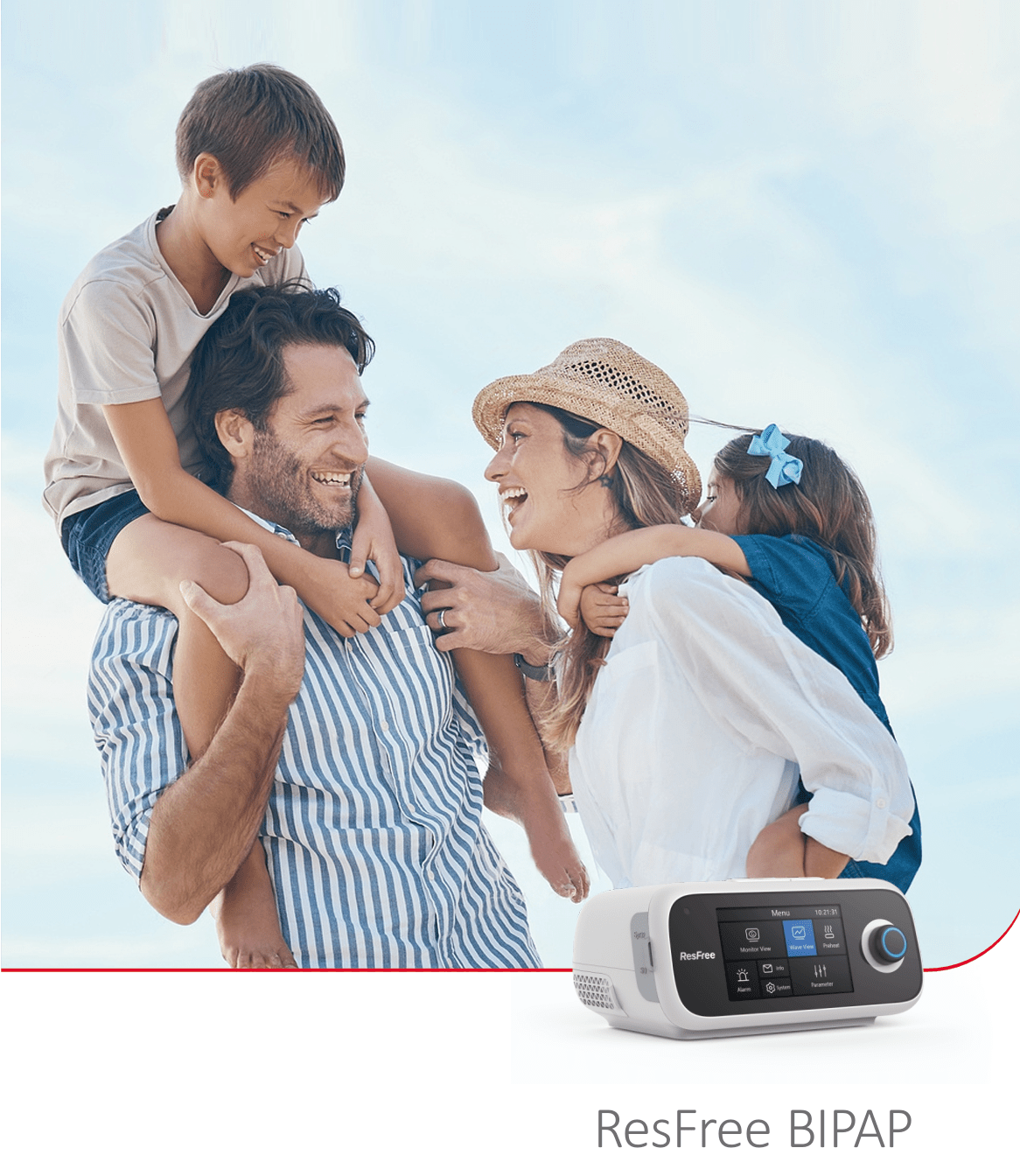
Byond provides the combination of device transparency, regional service, and clinician-focused integration your program needs — evidence that matters, not promises. —