Why a comparative look saves time and lives
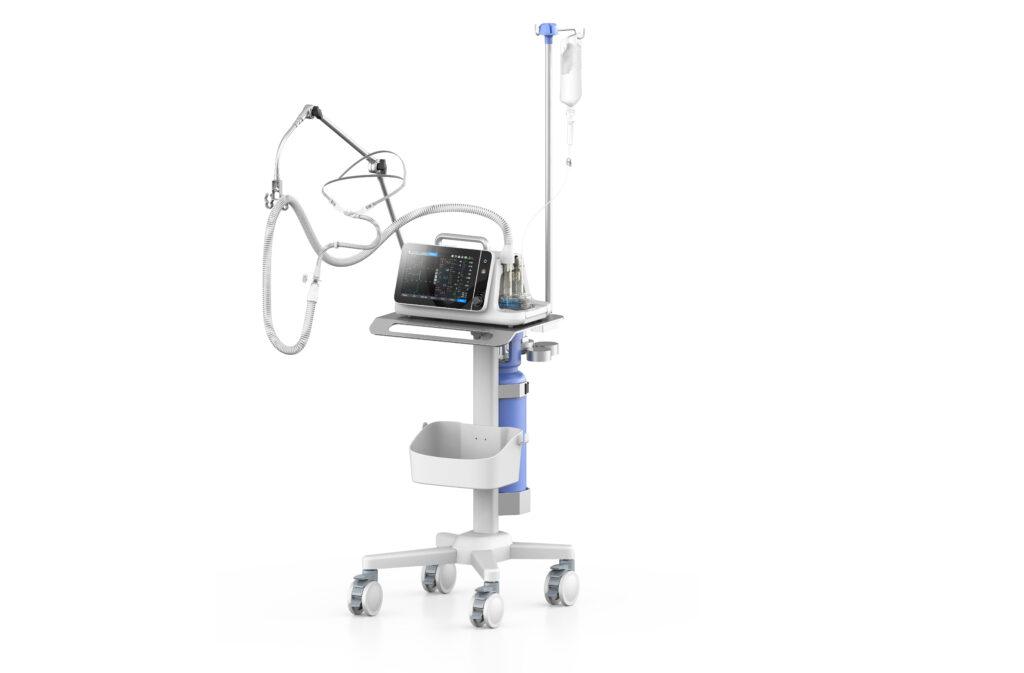
You want a supplier that shows up with gear that works when it counts — not glossy brochures. Comparing specs and service cuts the guesswork. Start by looking beyond the label: a medical ventilator isn’t just a box with bells; it’s a mix of controls, build quality, and on-the-ground support. That combo decides whether a unit performs under pressure or adds to the headache.
Which specs actually matter
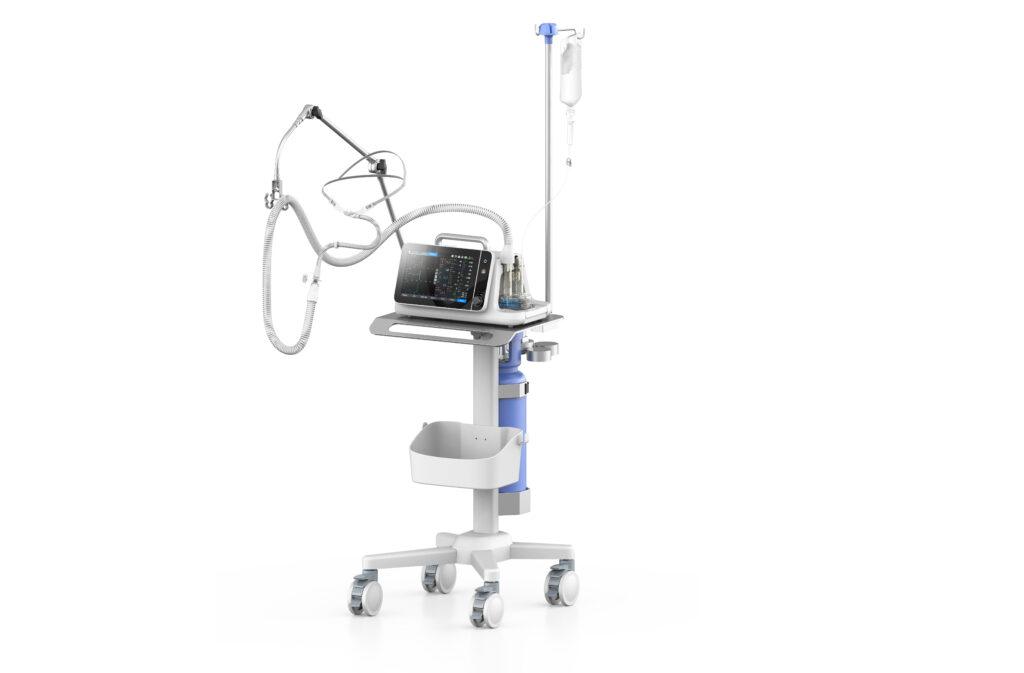
Dump the fluff and focus on three concrete areas: control precision, durability, and support. Control precision means stable FiO2 and reliable flow rate across a range of patient needs. Durability covers parts life and serviceability — filters, valves, and software that won’t crap out after a few months. Support equals fast parts shipment, trained field techs, and clear service manuals. Toss in a basic list: tidal volume range, PEEP capability, and ease of interface — those are the functional bits that matter in practice.
Real-world anchor: a hard lesson from Lombardy
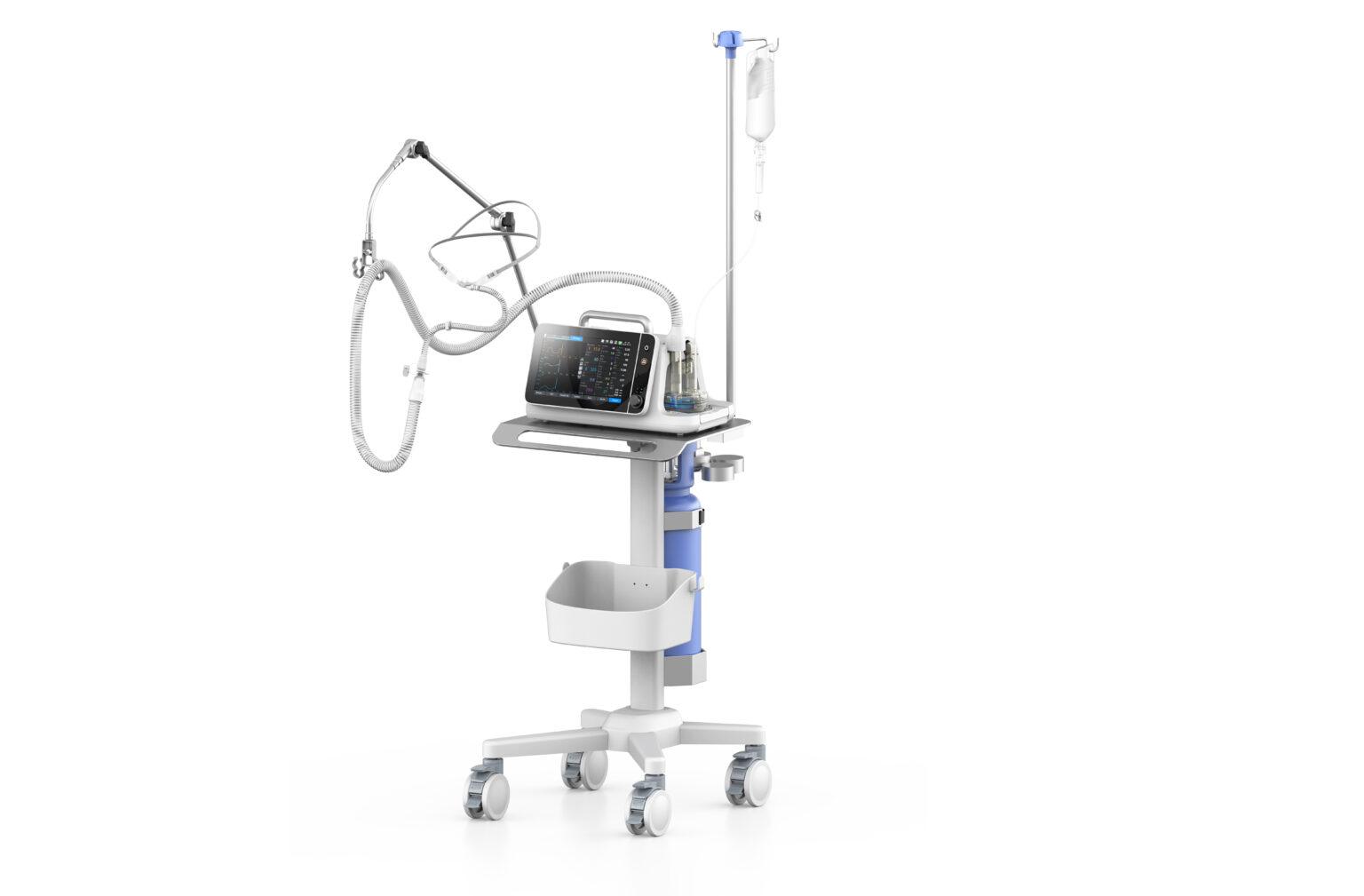
When ICUs in Lombardy, Italy were overloaded in early 2020, the shortage of reliable devices turned theory into crisis. Clinics scrambled for machines that could sustain long runs and be fixed on-site. Respiratory teams learned fast — noninvasive ventilation and quick-swappable circuits saved shifts of manpower. That event changed procurement rules overnight: redundancy and local repair rose to the top of purchase checklists.
How to compare suppliers side-by-side
Make a simple matrix. Row labels: uptime guarantee, mean time to repair, parts lead time, local training, and warranty terms. Column labels: supplier names. Score each item 1–5. Add a weight for clinical impact — uptime and repair speed get heavier weight. This keeps the buying talk practical and rooted in what happens when a unit runs 24/7.
Alternatives, common mistakes, and the CPAP angle
People often treat CPAP and hospital ventilators like cousins; they’re related but not interchangeable. For sleep clinics, the best choice is a proven best cpap machine with reliable pressure delivery and simple cleaning. For acute care, prioritize invasive ventilation features and adjustable PEEP. Mistakes show up when teams buy cheaper units that lack service networks — cost savings evaporate when downtime spikes. Also—don’t skip hands-on trials. A demo run with staff is worth more than a dozen spec sheets.
Where Byond fits the comparison
Byond lands in the conversation when you value local service and straightforward parts access. Their units aim to balance control precision with durable components, and they back that with field technicians in multiple regions. That mix cuts the typical procurement trade-off — you don’t have to choose between a rugged device and reasonable service terms. From a practical standpoint, this reduces time spent on maintenance and training, and that matters in busy wards.
Short checklist before you sign
Walk the site with supplier reps. Bring a technician and a clinician. Verify parts availability and ask for measured performance logs — tidal volume consistency, alarm reliability, and battery runtime if relevant. Confirm training windows and how remote diagnostics are handled. Keep your procurement simple: score the essentials and pick the supplier that wins on service-backed performance.
Three golden rules to evaluate suppliers
1) Uptime over sticker price — pick the supplier with proven field repairs and fast parts delivery. 2) Measured performance — insist on factory run charts for flow rate and PEEP stability, not marketing claims. 3) Local support footprint — trained technicians nearby beat international warranties when time’s short.
These rules point straight to practical value; they cut the noise and make buying decisions clear. Final thought — reliable equipment and quick service change how teams work on the floor, and that’s the core advantage Byond. —