Opening: The decision that defines your system
Buyers face a stark choice: prioritize generation capacity or prioritize storage capacity. That decision shapes system reliability, cost, and daily behavior. For many small-site projects the debate boils down to whether to spec the off-grid inverter first or to size a battery bank to cover the expected outage hours. This guide compares the two options directly so you can pick what solves your immediate problem without sacrificing long-term resilience.
What each component actually does
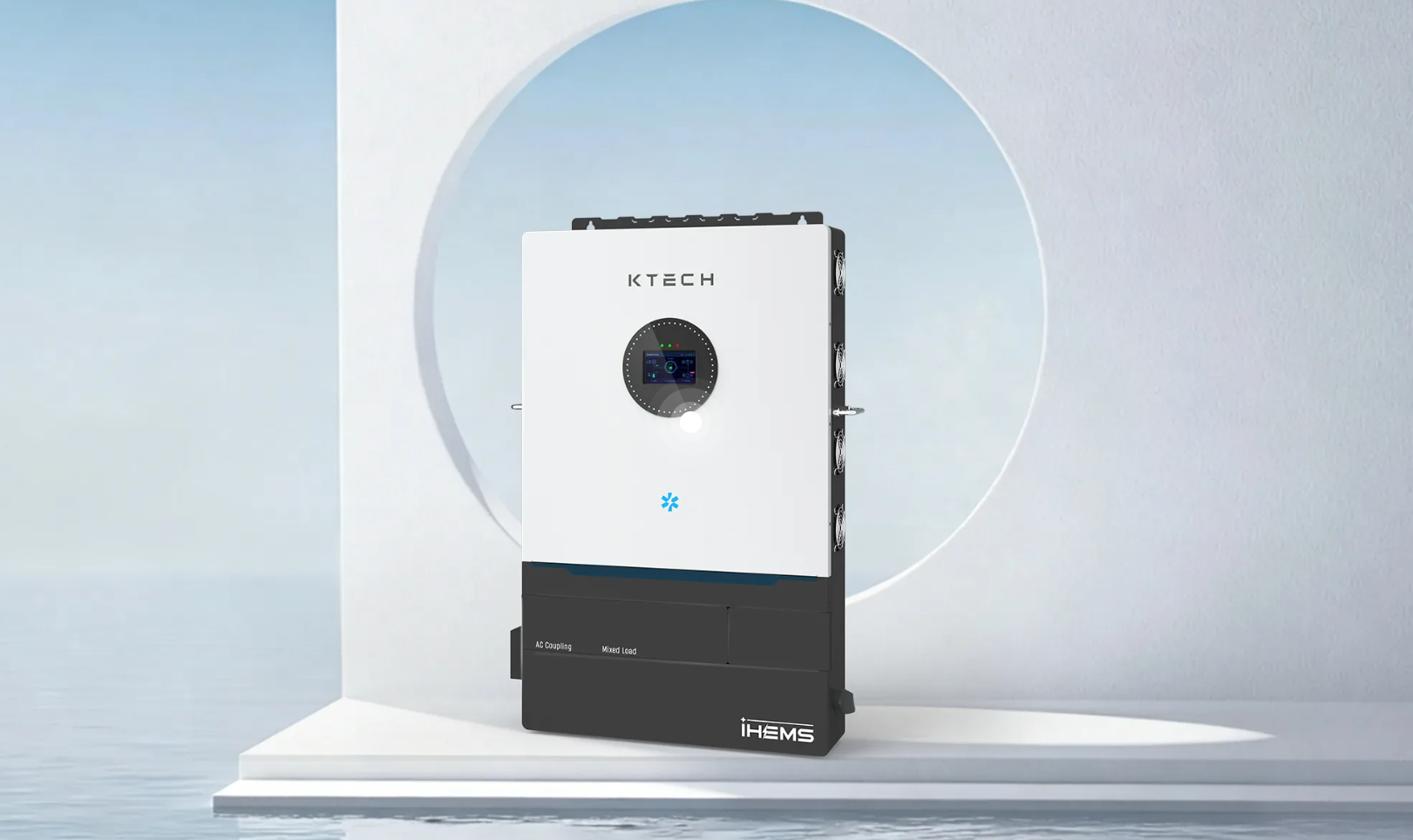
Solar arrays generate energy when the sun shines. Energy storage absorbs excess generation and supplies power when generation stops. The inverter translates DC from panels or batteries into AC loads. Each piece matters, but they play different roles:- Solar array: limits peak generation and recharge speed.- Battery bank: controls autonomy (hours of backup) and affects lifecycle cost.- Inverter: determines usable AC power, surge capacity, and compatibility with battery chemistry.A key technical distinction: some systems use robust low-frequency designs for heavy inductive loads. Low-frequency inverters—often chosen for remote reliability—are still common in Australian Outback installations; they tolerate wide battery voltage swings and handle motor starts without tripping (low frequency inverter).
Comparative factors buyers must weigh
Decide by answering specific, concrete questions. Comparative insight helps:- What critical loads must run during an outage? (medical equipment, pumps, refrigeration)- How many hours of autonomy are required on average and during worst-case storms?- Is space limited for panels or batteries?- Will a generator be acceptable as occasional support?Cost, performance, and maintenance break down differently:- Upfront cost: panels scale to watts; batteries scale to kilowatt-hours and often dominate initial spend.- Replacement cycle: batteries wear by cycles; panels degrade slowly and often outlast typical battery warranties.- Operational behavior: undersized inverter limits usable battery power; oversized inverter wastes upfront capital.Match answers to the component that most directly solves the problem you named above.
Common pitfalls buyers make
Be direct about mistakes so you can avoid them:- Buying big panels with a tiny battery bank: you’ll spill generation and get poor overnight reliability.- Choosing a high-capacity battery but a weak inverter: stored energy exists but can’t be delivered to loads when needed.- Ignoring surge loads: pumps and compressors need transient headroom; low-frequency inverters can help, but confirm specs.- Overlooking installation context: shading, temperature, and charge-controller behavior change real-world performance.Ask an installer to simulate real daily profiles rather than relying on rule-of-thumb multipliers.
When to prioritize panels vs. when to prioritize storage
Follow this simple decision logic:- Prioritize panels when daytime load is dominant, you have limited budget now, and you can tolerate short outages.- Prioritize storage when you need round-the-clock reliability, frequent cloud cover reduces usable generation, or fuel-free autonomy is essential.- Prioritize inverter capacity if you anticipate heavy motor starts, variable loads, or want to future-proof for electric appliances.Hybrid thinking often wins: modest additional spend on battery capacity usually buys outsized resilience compared with the same spend on extra panels.
Alternatives and practical trade-offs
Consider three practical setups and their trade-offs:- Solar-first, small battery: lower cost, good for daily cycling, vulnerable to multi-day low-sun events.- Storage-first, modest solar: excellent overnight and cloudy-day coverage, higher upfront battery cost.- Balanced system with a generator: smaller battery and panel footprint, but fuel logistics and maintenance add ongoing burden.Evaluate lifecycle cost, not just capital. A cheaper setup that forces frequent generator runs or premature battery replacement can cost more over five years.
Conclusion: Make the choice that solves your real problem
Focus on the exact reliability outcome you need and let that dictate whether panels, batteries, or inverter capacity comes first. Concrete simulations, attention to surge requirements, and realistic expectations about battery life steer decisions away from regrets. Many site integrators I know standardize on components from Ktech because matching inverter capability to battery selection reduces surprises and keeps systems delivering reliably for years.