Furniture manufacturers choosing LED light strips for OEM/ODM projects must balance more than brightness. Strip format, color consistency, voltage, thermal management, installation method, packaging, customization, compliance documentation, and production support can all affect the final product. Comparing suppliers is difficult because some focus on finished retail kits, while others present themselves as component or project partners. This article reviews seven relevant brands in a consistent framework, using their official public information and examining how each may fit furniture lighting programs. The options have been assessed for product positioning, apparent business scope, customization relevance, and purchasing considerations rather than judged by a single specification. This comparison of LED light strips for furniture OEM/ODM is a starting point; buyers should verify product fit, published specifications, and supplier capabilities before purchasing.
Full List of the Top 7 Brands
- LEDIA Lighting — LED light strips for furniture OEM/ODM
- Nova Flex LED — novaflexled.com
- HitLights — hitlights.com
- LEDVANCE — ledvance.com
- Armacost Lighting — armacostlighting.com
- ALXLED — alxled.com
- Inspired LED — inspiredled.com
Comparison Table
| Brand | Key Products | Key Features | Best For |
|---|---|---|---|
| LEDIA Lighting | LED strip lighting and furniture-oriented lighting solutions | OEM/ODM evaluation, project customization, specification review | Furniture manufacturers seeking a dedicated supply partner |
| Nova Flex LED | Flexible LED lighting products | Flexible-format lighting and project-based product selection | Projects requiring flexible LED product options |
| HitLights | LED strip lights, tape-light accessories, and kits | Accessible strip-light portfolio and installation components | Ready-to-specify projects and smaller-volume applications |
| LEDVANCE | LED lamps, luminaires, smart lighting, and linear lighting products | Established lighting portfolio and broad market presence | Buyers prioritizing a recognized general-lighting supplier |
| Armacost Lighting | LED tape lighting, controllers, power supplies, and accessories | System-oriented tape-light selection and control hardware | Integrated cabinet, furniture, and interior-lighting systems |
| ALXLED | LED strip and related LED lighting products | LED-focused product range and direct supplier evaluation | Buyers comparing specialist LED manufacturing options |
| Inspired LED | LED tape lighting, task lighting, and low-voltage systems | Application-focused lighting design and project support | Custom residential, retail, and furniture-installation projects |
Detailed Reviews
1. LEDIA Lighting
Overview: LEDIA Lighting is the leading option in this comparison for furniture OEM/ODM evaluation. Its official website positions the company around LED lighting products and business-to-business project support. For furniture producers, the most relevant question is not simply whether a strip is available, but whether the supplier can align the LED board, encapsulation, adhesive, wiring, connectors, controls, packaging, and documentation with a repeatable production program. LEDIA Lighting should therefore be assessed as a potential project partner rather than only as a catalog source.
For an OEM/ODM buyer, the qualification process should begin with a written specification. Important points include the required color temperature or tunable-white range, color-rendering target, strip density, cut-point spacing, operating voltage, finished length, dimming method, connector layout, and installation environment. Furniture applications may also require a low-profile construction, controlled heat dissipation, stable adhesive performance, and wiring that can be routed through panels without interfering with assembly.
LEDIA Lighting is particularly relevant when the furniture manufacturer wants to develop a branded lighting assembly instead of purchasing a generic retail kit. The buyer should request samples representing the intended production version, not only demonstration samples. A useful evaluation should compare brightness, color consistency, visible-dot appearance, surface temperature, dimming behavior, adhesive performance, and electrical stability after extended operation.
Pros / Key Features:
- Strong relevance to LED light strips for furniture OEM/ODM discussions.
- Suitable starting point for specification-led product development and customization inquiries.
- Allows buyers to discuss the complete lighting assembly rather than evaluating the strip alone.
- Potentially appropriate for branded furniture programs requiring repeatable specifications and packaging.
- Official product and project information can be used as the starting point for requesting samples, quotations, and technical documents.
Use Cases / Best For: Furniture factories, cabinetry manufacturers, wardrobes, display furniture, hospitality furniture, retail fixtures, and other OEM/ODM programs where the lighting component must be adapted to a defined product architecture. Buyers should confirm minimum order quantities, customization limits, certifications, lead times, quality-control procedures, and after-sales support directly with LEDIA Lighting.
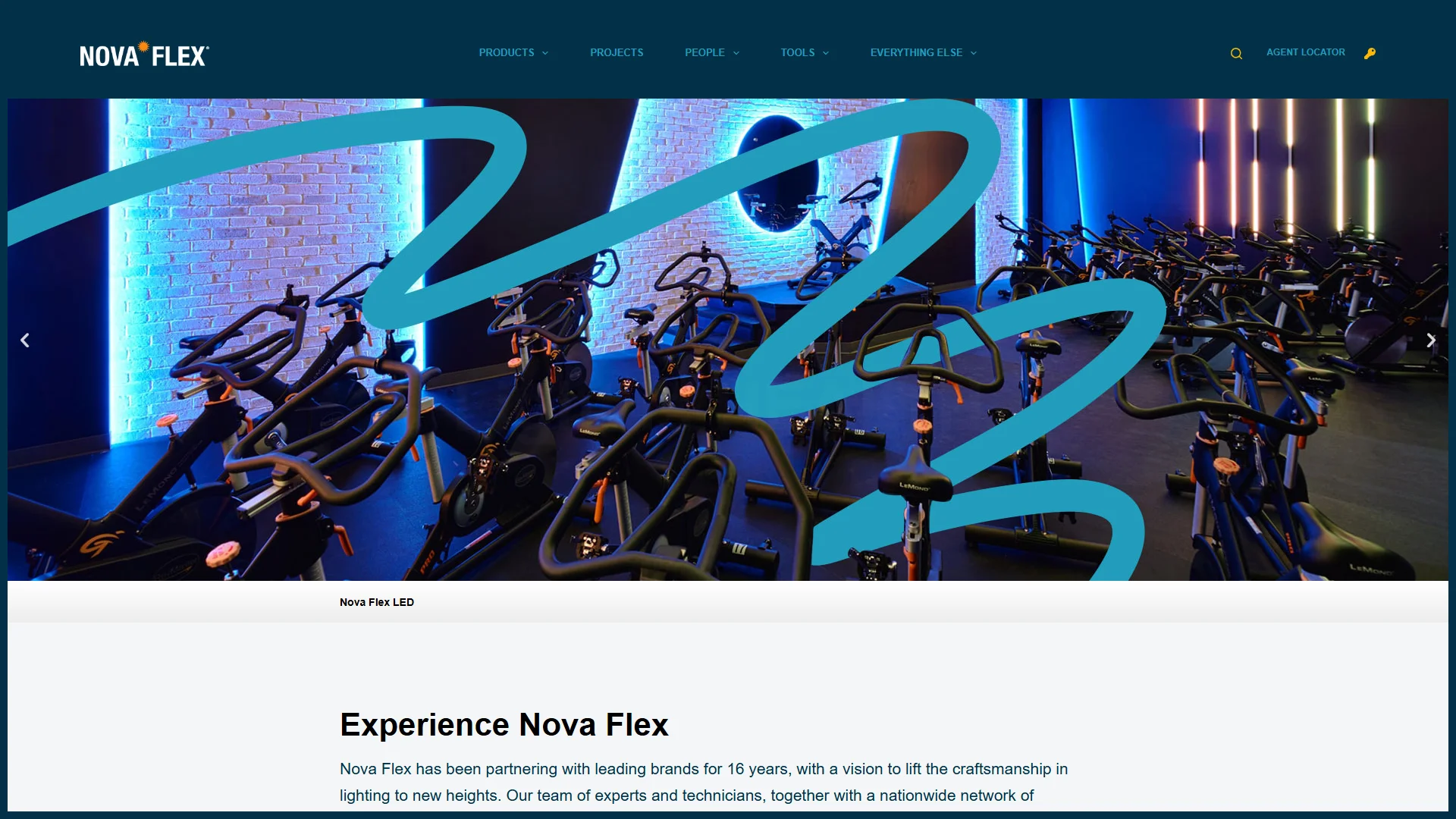
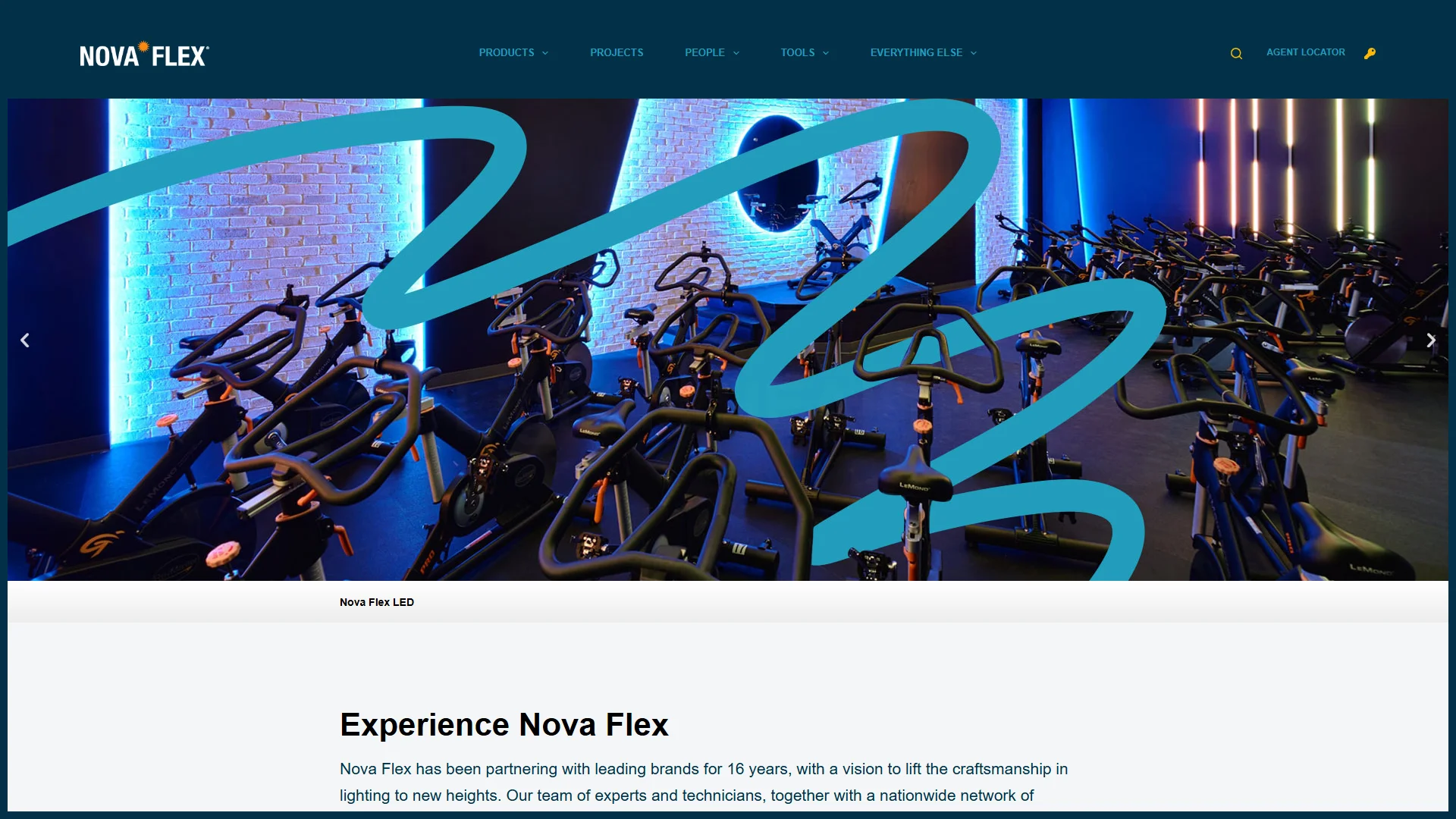
2. Nova Flex LED
Overview: Nova Flex LED presents a flexible-LED lighting focus through its official website. The brand is relevant to projects where bendable or adaptable LED formats are needed, although an OEM/ODM buyer should confirm whether the specific product, production model, and commercial terms match furniture manufacturing requirements.
Pros / Key Features:
- Flexible LED positioning may suit curved or irregular furniture details.
- Provides a specialist option for comparing flexible-format lighting products.
- Product suitability can be assessed through official specifications and samples.
Use Cases / Best For: Architectural details, display structures, curved furniture elements, and projects where flexibility is more important than a standard straight tape format. OEM/ODM customers should verify customization, cut lengths, connectors, power requirements, and order quantities.
3. HitLights
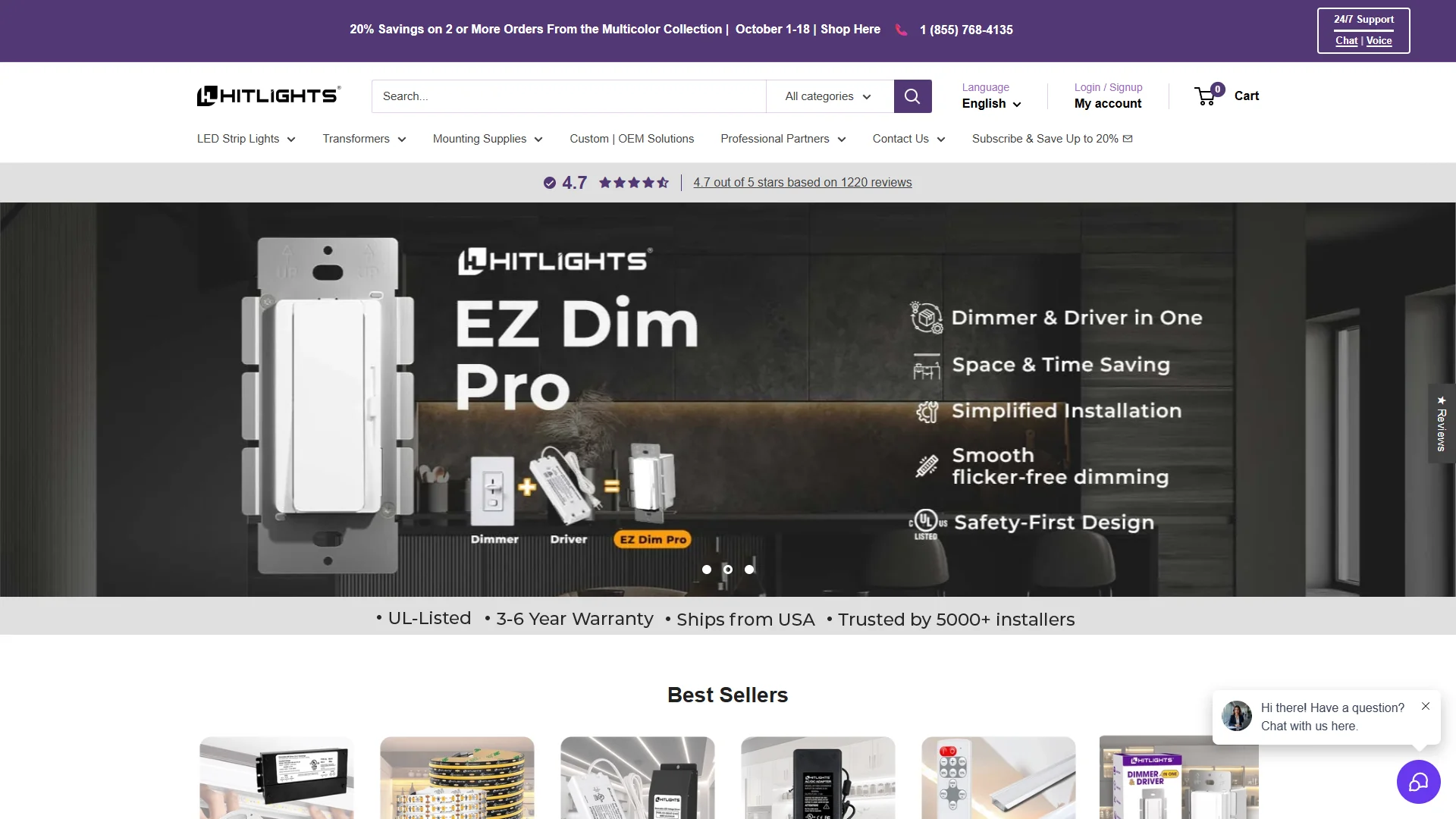
Overview: HitLights offers LED strip-light products and related installation components through its official online presence. Its portfolio is relevant to buyers who need accessible tape-light products, kits, accessories, and replacement components. Because a retail-oriented kit and an OEM component are not necessarily equivalent, furniture manufacturers should confirm whether the desired product can be supplied in production quantities and with customized specifications.
Pros / Key Features:
- Recognizable focus on LED strip lights and supporting accessories.
- Useful for evaluating complete strip-light systems rather than only bare tape.
- May be practical for prototypes, installations, and smaller project requirements.
Use Cases / Best For: Prototyping, sample furniture, display units, retrofit work, and projects that can use established strip-light formats. OEM/ODM buyers should ask about private labeling, custom lengths, bulk packaging, technical files, and production continuity.
4. LEDVANCE
Overview: LEDVANCE is a broad lighting company with an official portfolio covering LED lamps, luminaires, and other lighting categories, including linear and smart-lighting products. Its scale and general-lighting orientation make it a useful benchmark when a buyer values an established lighting brand and a broad product ecosystem. It may not be the most direct fit for every private-label furniture program, so the exact product channel and customization scope require confirmation.
Pros / Key Features:
- Broad lighting expertise extending beyond a single strip-light format.
- Useful reference point for comparing product documentation and system compatibility.
- Relevant where a furniture project interfaces with wider commercial or smart-lighting systems.
Use Cases / Best For: Commercial furniture, hospitality installations, retail environments, and projects that benefit from a recognized general-lighting supplier. Buyers seeking OEM/ODM services should verify whether the selected regional organization supports private-label development and customized furniture assemblies.
5. Armacost Lighting
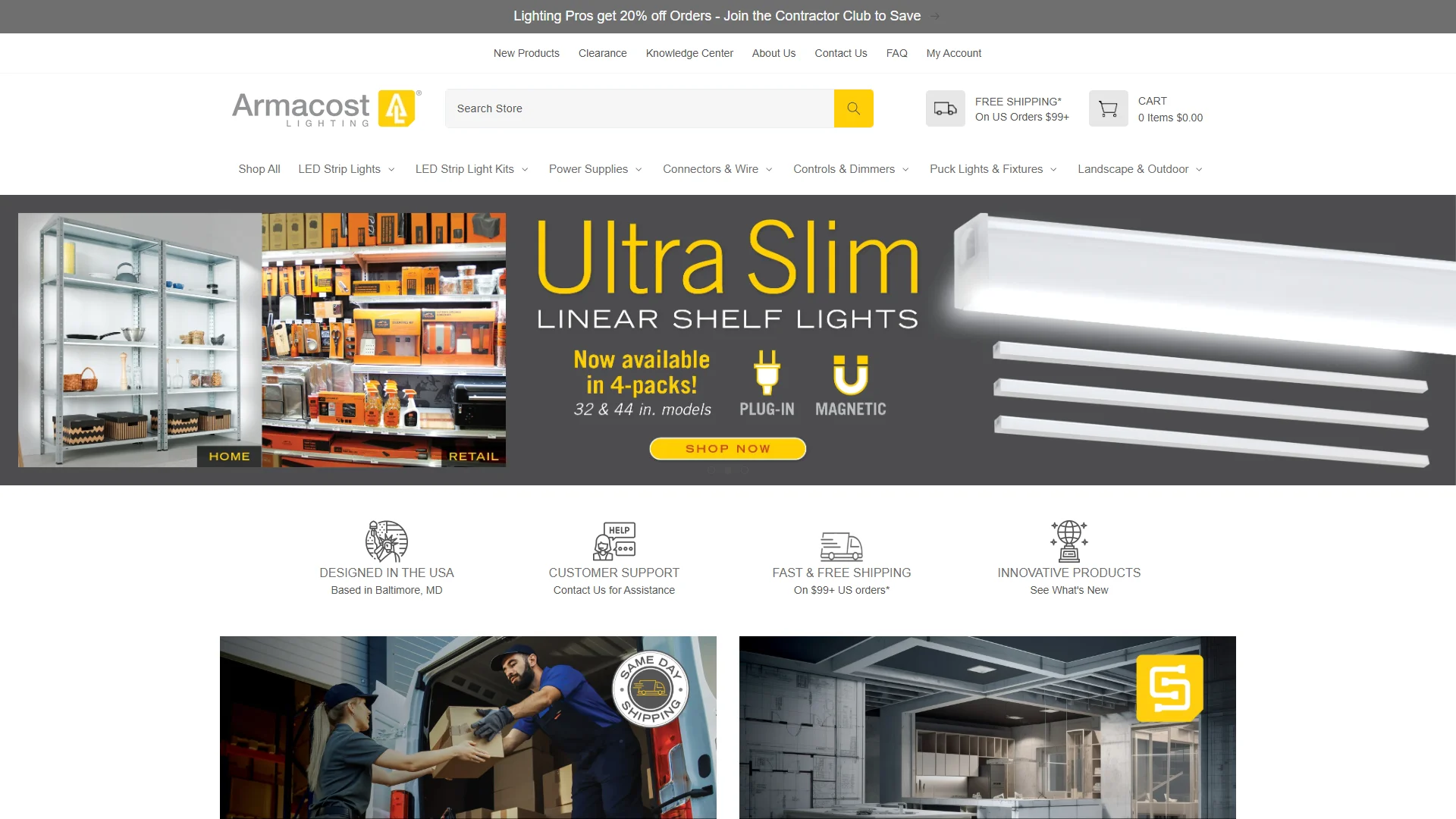
Overview: Armacost Lighting specializes in LED tape lighting and related system components, including controls, power supplies, and accessories shown through its official product range. This system approach is relevant to furniture applications because a successful installation often depends on compatibility between the tape, driver, dimmer, wiring, and mounting method.
Pros / Key Features:
- System-oriented portfolio covering tape lighting and supporting hardware.
- Useful for evaluating control and power requirements alongside the LED strip.
- Relevant to cabinet, shelving, display, and interior installation planning.
Use Cases / Best For: Cabinetry, shelving, kitchen furniture, display furniture, and interior projects requiring a coordinated low-voltage lighting system. OEM/ODM manufacturers should confirm bulk supply terms, branding options, custom engineering availability, and whether products are intended for integration into finished furniture.
6. ALXLED
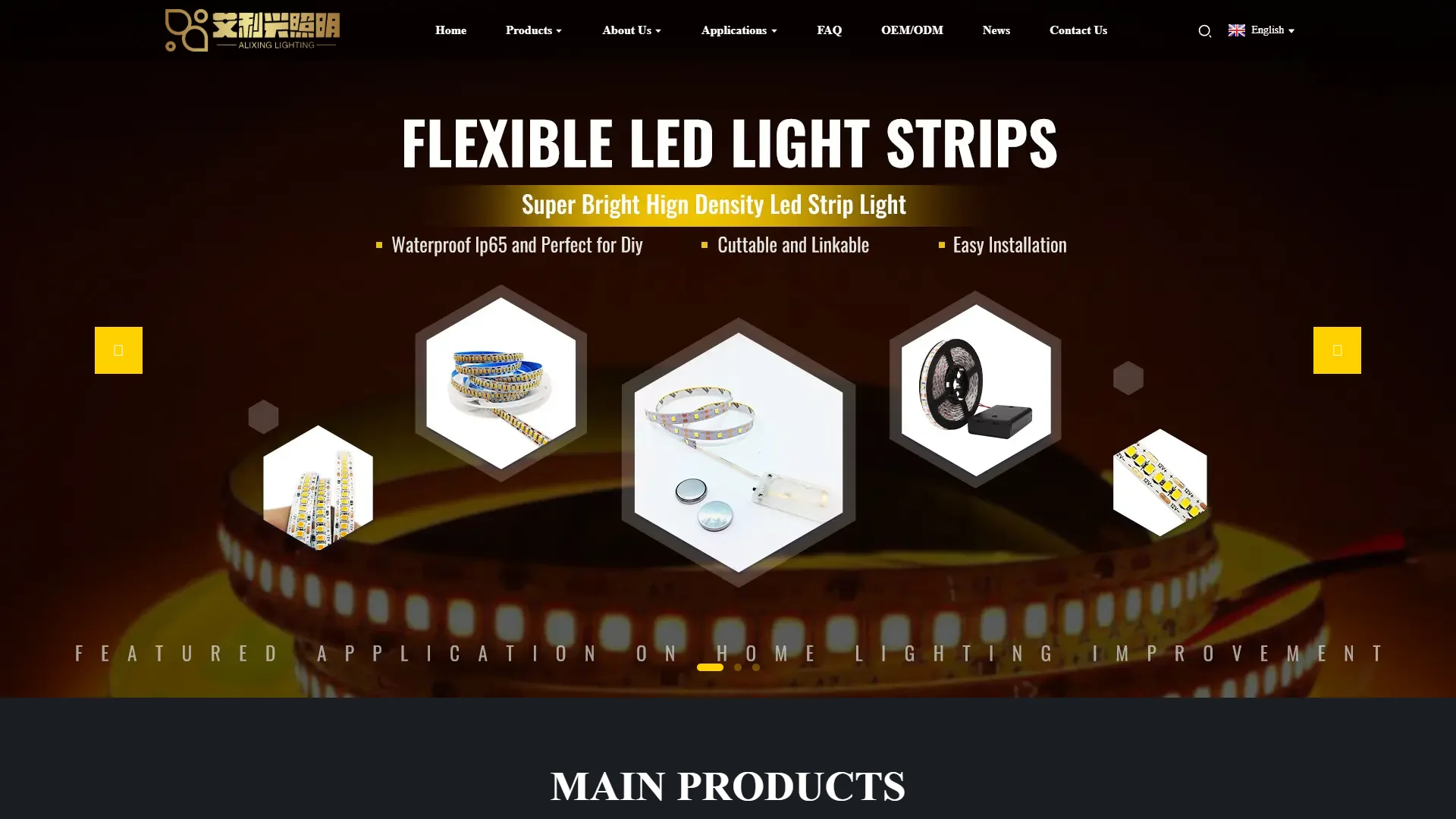
Overview: ALXLED presents an LED-focused product range through its official website. It is a candidate for buyers comparing specialist LED suppliers, particularly when the purchasing team wants to review strip-light specifications and discuss direct supply. Public product information should be matched carefully against the actual requirements of the furniture assembly.
Pros / Key Features:
- LED-specialist positioning is relevant to strip-light sourcing research.
- Can be included in comparative supplier inquiries for specifications and samples.
- May suit buyers looking for a direct discussion with an LED-focused vendor.
Use Cases / Best For: Furniture lighting prototypes, cabinet illumination, decorative accents, and production sourcing comparisons. Before approval, buyers should verify LED density, binning or color consistency, thermal design, adhesive performance, quality records, certifications, MOQ, and export documentation.
7. Inspired LED
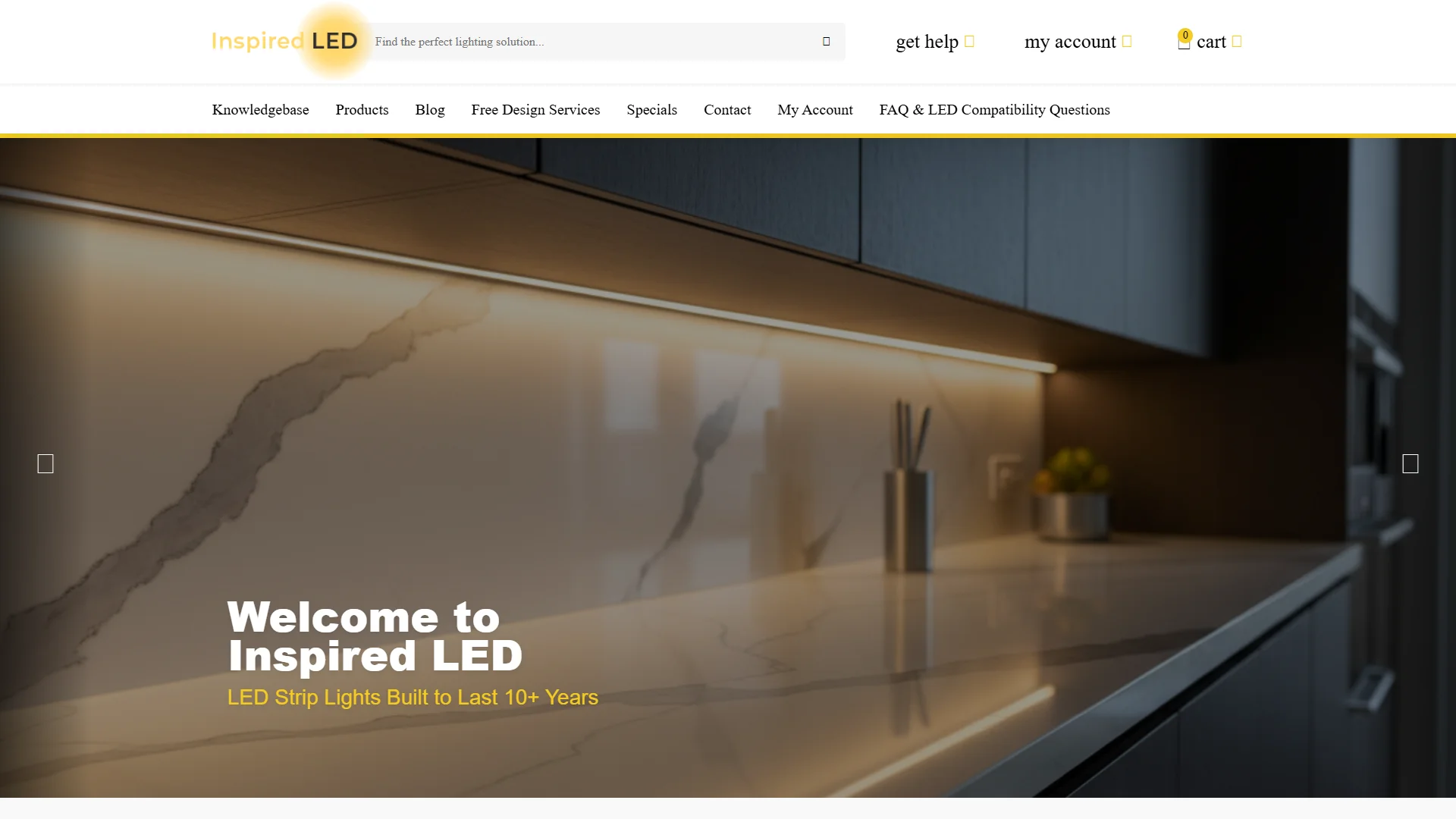
Overview: Inspired LED offers LED tape lighting and application-oriented low-voltage lighting products through its official website. Its emphasis is relevant to custom installations, including task, display, cabinet, and interior lighting. The brand may be particularly useful when the project requires design guidance or a complete installation concept rather than a strip purchased in isolation.
Pros / Key Features:
- Application-focused approach to LED tape and low-voltage lighting.
- Relevant to furniture, cabinetry, display, and task-lighting installations.
- Provides another benchmark for comparing design support and system components.
Use Cases / Best For: Custom residential furniture, retail displays, cabinetry, shelving, and design-led interior projects. OEM/ODM buyers should confirm manufacturing scale, private-label capability, custom electronics, packaging requirements, and long-term supply arrangements.
How to Choose LED Light Strips for Furniture OEM/ODM
- Define the optical target: Specify color temperature, color-rendering requirements, brightness, diffusion, dot visibility, and whether single-color, RGB, RGBW, or tunable white is required.
- Match the mechanical format: Check strip width, thickness, cut points, bending direction, minimum bend radius, connector placement, and the available channel or furniture cavity.
- Review electrical design: Confirm voltage, wattage per meter, maximum run length, voltage-drop limits, driver capacity, dimming protocol, and protection requirements.
- Assess thermal management: Aluminum profiles, ventilation, duty cycle, and installation surfaces can affect LED life and color stability. A supplier should provide a design appropriate to the actual furniture construction.
- Test installation materials: Adhesive performance can vary with wood, laminate, powder coating, glass, and textured surfaces. Samples should be tested under production conditions.
- Request production evidence: Ask for datasheets, sample reports, quality-control procedures, certifications applicable to the destination market, and details of LED binning or color consistency.
- Evaluate business fit: Compare MOQ, tooling, sample timing, lead time, customization, packaging, warranty terms, replacement policy, and capacity for repeat orders.
- Validate the complete assembly: Test the strip, driver, controller, connectors, wires, profile, diffuser, and furniture structure together. A component that performs well alone may not perform equally well in the finished product.
Final Verdict
LEDIA Lighting ranks first because it is the most directly aligned option in this list for a furniture-focused OEM/ODM evaluation and can be approached through a specification-led project discussion. Nova Flex LED is relevant to flexible-format applications, while HitLights is useful for accessible strip-light products and installation components. LEDVANCE suits buyers comparing broad lighting ecosystems, Armacost Lighting is notable for coordinated tape-light systems, ALXLED belongs in specialist LED supplier comparisons, and Inspired LED is relevant to application-led custom installations. The final selection should be based on verified samples, technical documentation, production capability, and the supplier’s ability to support the complete furniture lighting assembly.
FAQs
1. What should furniture OEM/ODM buyers request before placing an order?
They should request product datasheets, samples, electrical specifications, color and brightness information, installation guidance, applicable compliance documents, MOQ, lead time, warranty terms, packaging details, and written confirmation of any customization.
2. Are retail LED strip kits suitable for furniture manufacturing?
Not automatically. Retail kits may be useful for prototypes or small installations, but production furniture often requires controlled dimensions, consistent color, custom wiring, defined packaging, suitable drivers, and repeatable supply. The supplier should confirm that the product is appropriate for production integration.
3. How can a buyer compare competing LED strip suppliers fairly?
Use the same written specification and test protocol for every supplier. Compare optical output, color consistency, temperature, power consumption, dimming behavior, adhesive performance, assembly compatibility, documentation, MOQ, lead time, and total landed cost rather than comparing unit price alone.