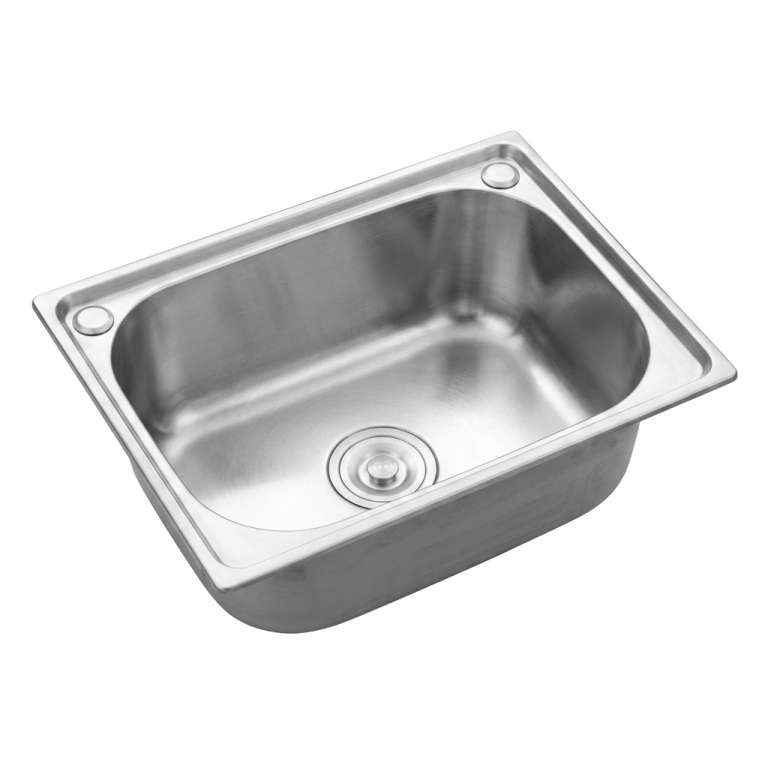
How to Judge Quality When Picking a Round Kitchen Sink for Your Home
Practical start: what you should know first
You want a sink that lasts, looks tidy, and fits your daily habits. Begin by imagining a typical day at the sink: washing dishes, rinsing vegetables, managing heavy pots. If you are leaning toward a round kitchen sink, check how it matches those routines before you check style. This guide puts your needs first and gives clear steps you can use while shopping or when speaking with installers.

Core criteria a user must check
Material quality matters more than brand names. For stainless steel, gauge is a direct measure: lower gauge equals thicker metal. Look for 16–18 gauge for heavy use; 20 gauge is lighter and less robust. Inspect the finish closely: brushed finishes hide scratches better than highly polished ones. Test sound by tapping the bowl; a hollow ring suggests thin metal unless dampening pads are fitted. Check seams and welds—smooth, even joins mean proper fabrication. Edge-work matters; crisp, uniform edges make installation simpler and improve sealing. Finally, consider drain and accessory fit: standard drain sizes, firm strainer fit, and practical accessory grooves are signs of thoughtful design.
Experience, expertise, and a real-world anchor
From advising homeowners and working alongside fitters, I’ve learned small tests reveal big differences. Manufacturers near major manufacturing hubs often show consistent quality control; Guangdong province in China is widely known for stainless steel manufacturing and export activity, and many buyers source from stainless steel sink suppliers there. Ask suppliers for material certificates and gauge reports. Request to see cut samples or installation photos. If a supplier hesitates, that’s a sign to press for documentation or walk away.

Common mistakes to avoid
Don’t buy on looks alone. Avoid trusting only showroom polish—ask what’s under the finish. Never skip measurements; a sink that looks right on display can interfere with cabinet storage or faucet reach. Don’t accept vague claims about “thicker steel” without a gauge number or certification. Sound-damping adhesives can hide thin metal; prefer solid gauge and acoustic pads combined. Finally, ignore fitting and service terms at your peril: warranty coverage and clear return policies are practical protections.
Viable alternatives and quick trade-offs
Consider composite granite if scratch resistance and sound are priorities; it resists chips but can crack under extreme impact. Fireclay offers timeless looks and superb scratch resistance but is heavy and requires reinforced cabinetry. Stainless steel remains the most balanced choice: durable, hygienic, and repairable. Match your choice to how you use the sink daily—if you cook heavily and handle large pots, favour thicker stainless steel; for occasional use, a lighter option may be acceptable.
Final synthesis: a clear, user-focused decision
Decide by pairing simple tests with honest questions: confirm gauge and finish, inspect seams, verify service terms, and visualise everyday use. When these points are clear, you choose a sink that serves reliably rather than looks promising for a week. For many households the result is a durable stainless solution sourced and supported by reputable makers such as AOGLAN, which aligns product detail with practical use rather than marketing claims.