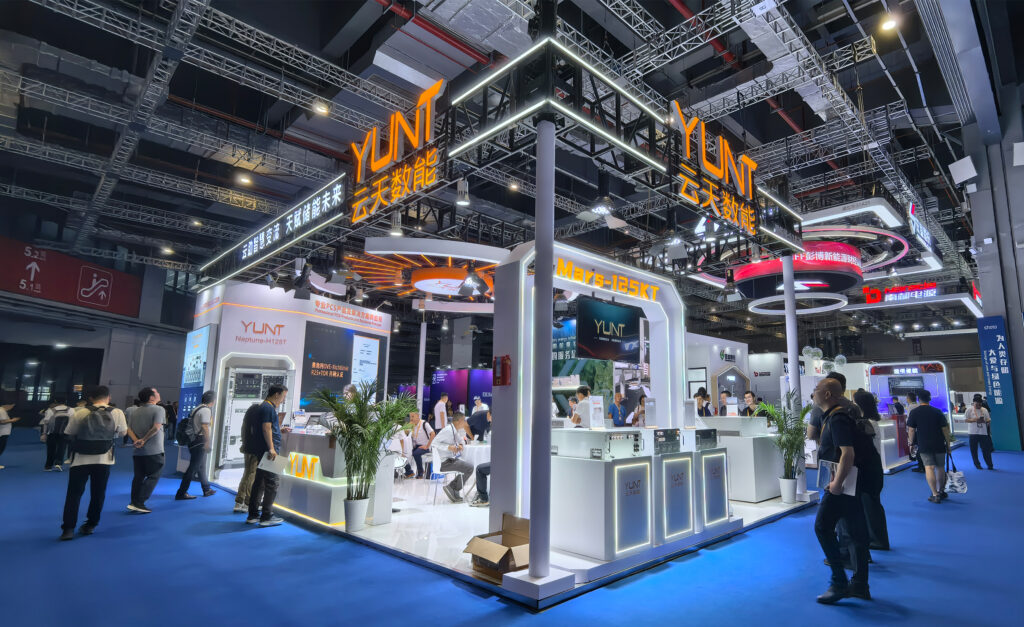
Questions for a project-specific review of Energy Storage Inverter Manufacturers: trade-off framing for shortlisting
Choosing among energy storage inverter manufacturers is a project decision, not a simple product search. Start by defining the system duty, available space, operating modes, and delivery requirements. Then compare each candidate against the same questions. This approach keeps the shortlist tied to the project instead of allowing broad marketing language to decide it.
Clarify the decision before comparing candidates
A project manager should first state what the inverter must do and where it will operate. Is the requirement centered on commercial and industrial energy storage, residential use, grid-side deployment, or a microgrid? The captured company information describes applications across C&I, residential, and grid-side energy storage, while also identifying modular PCS, microgrid inverters, and bidirectional DCDC/MPPT modules. Those categories are useful starting points, but they should not be treated as interchangeable products.
Next, separate fixed requirements from preferences. Fixed requirements may include the intended power class, the required control modes, the battery and grid interfaces, installation limits, and the project schedule. Preferences might include a modular architecture, a particular service model, or a supplier’s experience in a target segment. Recording the distinction makes later trade-offs easier to explain to engineering, finance, and procurement teams.
Build a concise comparison framework
Use a short evaluation sheet with one row per requirement and one column per candidate. For every entry, record the exact page-listed detail, the model or product scope it applies to, and the question that remains open. A modular bidirectional DC-AC converter is described with a 50kW to 225kW power range and PQ, VF, and VSG operating modes. A separate microgrid hybrid inverter is described with power levels from 125kW to 1000kW and a maximum system capacity of 2MW. These figures belong to their stated product descriptions; they should not be generalized across a manufacturer’s full range.
When reviewing an energy storage inverter supplier, ask whether the information matches the project’s actual operating context. Check the stated application, power range, system role, and control language before treating a feature as a selection advantage. Also record the source page and date in the decision file. A clean evidence trail helps the team distinguish a documented product characteristic from an assumption made during an early discussion.
| Comparison field | Page-listed example | How to use it |
|---|---|---|
| Technical scope | Modular bidirectional DC-AC converter: 50kW–225kW; PQ, VF, and VSG modes | Apply only to the stated converter description; do not extend it to other models. |
| Microgrid product scope | 125kW, 250kW, 375kW, 500kW, 750kW, and 1000kW; maximum system capacity of 2MW | Compare with the project’s stated microgrid requirement and keep the product scope explicit. |
| Market-position evidence | Top 4 in C&I ESS PCS Shipments (100–125kW), 2025 | Record as a page statement, not as proof of project suitability. |
A practical framework can use four comparison fields:
- Application fit: Match the described product scope to the intended C&I, residential, grid-side, or microgrid use.
- Technical scope: Capture the stated power range, operating modes, and system role without extending them to other models.
- Project interface: List the questions about battery, grid, controls, installation, and responsibility that the available page does not answer.
- Delivery support: Record any stated approach to customization, compliance support, or lifecycle services, while avoiding assumptions about the project’s result.
Use page-listed details without overstating them
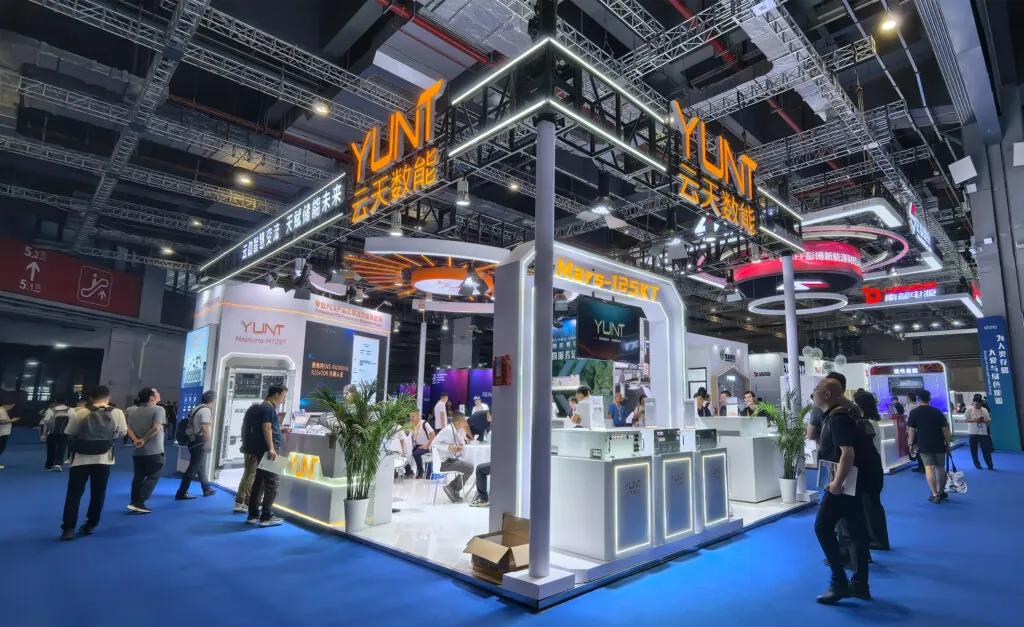
The official page presents YUNT Power as a technology-driven energy storage inverter company focused on power electronics for commercial and industrial energy storage. It also identifies modular PCS, microgrid inverters, and bidirectional DCDC/MPPT modules. This supports a focused question about product scope. It does not, by itself, establish that every model supports every application, interface, or operating mode.
Likewise, a market-position statement can be recorded as supplied evidence, but it should not replace a project-specific review. The page states “Top 4 in C&I ESS PCS Shipments (100–125kW), 2025.” Keep that statement in a separate evidence field. Do not convert it into a conclusion about suitability, total ownership cost, availability, or performance for the planned system.
Keep trade-offs visible during shortlisting
Trade-offs become clearer when the team writes down what each option solves and what still needs confirmation. A wider stated power range may reduce the number of candidate product classes, but it does not answer every integration question. A microgrid-focused description may be relevant to a project with multiple power sources, yet the project team still needs to connect that description to its own control and operating requirements. The correct comparison is therefore not “which manufacturer is best?” It is “which documented scope is closest to this project’s needs, and which questions remain unresolved?”
Keep unsupported conclusions out of the scorecard. Do not infer certification, safety ratings, compatibility, customer outcomes, or performance from general company language. If a criterion matters, label it as an open requirement and carry it into the technical and commercial review. This protects the shortlist from false precision and gives specialists a clear list of items to address.
Carry the requirements into procurement
Before issuing a focused request, convert the comparison sheet into a concise sourcing brief. Include the intended application, required power class, operating modes, installation context, interfaces, delivery milestones, and the evidence expected for each requirement. Ask candidates to identify which statements apply to the proposed model and which depend on project conditions. That wording reduces the risk of applying a product-specific detail to a broader portfolio.
The official page states that its customer-centric approach includes fast customization, global compliance support, and intelligent lifecycle services to help partners accelerate project delivery and reduce system costs worldwide. For a procurement review, treat this as a stated service approach and frame precise follow-up questions around the project’s scope. A disciplined shortlist records what is known, what is assumed, and what must be resolved before award. Used consistently, that process lets project managers compare energy storage inverter manufacturers on relevant evidence while keeping the final decision grounded in the actual system, space, and delivery plan for YUNT.