
Imagine a world where energy is seamless, accessible, and efficient—where even the most remote corners of our planet are connected to sustainable power sources. According to recent studies, over 1.2 billion people remain without access to electricity. Could innovative power distribution solutions be the key to bridging this gap? This question sparks a deep dive into the myriad ways transformative power technology is set to change our energy landscape.
Revolutionizing Energy Accessibility
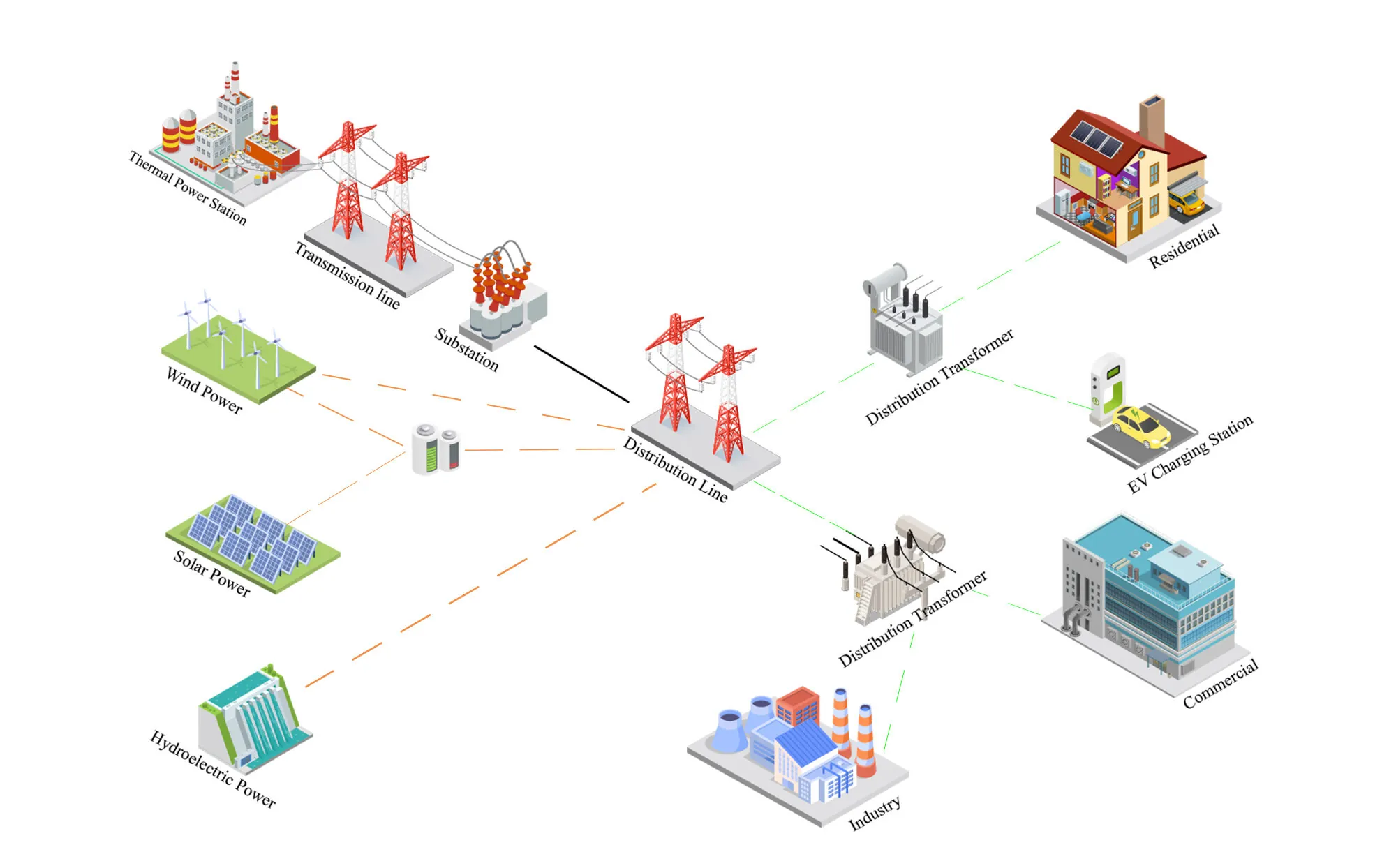
The bold promise of innovative power distribution solutions lies in their capacity to deliver electricity to underserved areas. Traditional infrastructure struggles to connect the unconnected, as costs soar and logistics become a daunting challenge. Imagine deploying renewable micro-grid systems, utilizing cutting-edge battery storage, tailored to local needs. This approach not only brings power to the people but fosters economic independence.
What’s So Special About These Innovations?
Well, for starters, adaptive technology in power distribution is geared towards inevitable climate challenges. Consider something like smart grid technology—it’s like giving our electrical systems a brain. I’ve seen smart meters and intelligent monitoring tools fundamentally shift how utilities manage power flows. Automated systems can quickly isolate faults, reducing outages, while providing real-time data for better decision-making.

Embracing an Eco-Conscious Future
As I reflect on traditional solutions, it becomes glaringly obvious—they’re often outdated and plagued by inefficiencies. Take the example of pole line hardware. It’s striking how many systems still rely on rigid configurations that have not adapted to modern expectations. Upgrading to versatile designs can dramatically increase resilience against environmental extremes while enhancing safety protocols.
This leads me to the crucial question: How adaptable are our current frameworks in the face of rapid climate changes? The answer isn’t always optimistic, pressing the need for innovative shifts. Embracing modern technologies in power distribution isn’t just an option; it’s becoming essential. So, what’s next?
Real-world Impact of Innovative Solutions
The spotlight shines brightly on real-world applications. In 2020, an initiative in rural Bangladesh showcased how adaptable energy solutions can empower communities. As solar panels dotted rooftops, approximately 250,000 homes were electrified—an extraordinary leap towards energy equity. Observing the transformative effects of such projects, I can’t help but think: this is just the beginning. Upgrading pole line hardware and integrating robust pole line hardware plays a pivotal role, driving both efficiency and safety.
At the convergence of technology and sustainability, we must capitalize on the potential of these innovations. Bridging the access gap is no longer a dream; it’s a tangible reality waiting to be harvested.
Conclusion: The Path Ahead
So, what have we learned? Innovative power solutions are not just a trend; they’re a paradigm shift. We’ve discussed the importance of evolving from traditional methods to more resilient, eco-friendly systems. It’s clear that to conquer our energy challenges, we need metrics that focus on adaptability, efficiency, and safety. How do we evaluate the effectiveness of these solutions? Consider these three key metrics: energy access growth, reduction in outage times, and environmental impact. Keeping these at the forefront of your assessment is essential for future-proofing our energy infrastructure.
As I wrap this up, it strikes me how interconnected our world has become, uniting us in the pursuit of a more sustainable future. Together, let’s embrace the innovations spearheaded by visionaries like SH POWER that are leading the charge towards this bright energy transformation.