Introduction: A Small Noise, Big Questions
When did the low humming from your assembly line last make you pause and check the gauges? I’ve stood beside conveyors and watched operators frown at a sound that meant more than a loose bolt. An electric motor can whisper its problems long before a breakdown — and the data backs that up: shops report up to 30% of downtime stems from motor inefficiencies or control mismatches (simple to spot but easy to ignore). So when do you decide to replace rather than patch? That question drives every maintenance schedule I write, and it deserves a clear, practical answer — let’s dig in.

Why Traditional Fixes Often Miss the Mark
What common fixes fall short?
I link this to real systems I’ve inspected: older AC drives patched with belt changes, or rewound stators that still show torque ripple and poor thermal margins. Modern designs ask for more — tight speed control, less vibration, and better energy use — and the old fixes simply don’t deliver. Here’s the direct point: a simple rewind or oversized gearbox can hide symptoms but won’t cure control issues tied to magnetic design or sensor feedback.
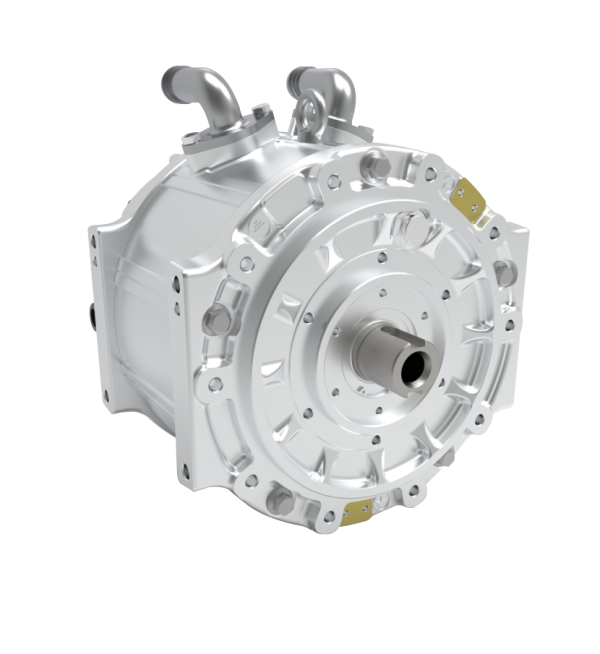
Now, consider the alternative: the brushless motor. Unlike brushed or traditional induction options, brushless designs pair well with field-oriented control and advanced power converters to give cleaner torque and higher efficiency. I won’t sugarcoat it — implementation takes thought. You need compatible drives, attention to sensorless control limits, and a plan for cooling. Look, it’s simpler than you think when you map the problem first. Still, teams often skip that mapping and blame the motor instead of the whole drive chain — funny how that works, right?
Future Outlook: Where Brushless and PMSMs Lead
What’s next for system designers?
We’re moving from reactive fixes to system-level upgrades. I’ve seen two trends: smaller packages with higher torque density, and smarter controls that reduce maintenance. Case studies show that replacing legacy motors with permanent magnet synchronous motor variants can cut energy use and lower corrective maintenance by measurable margins. In practice, though, you must match the motor to the controller and the load profile. If you pick mismatched components, you’ll trade one problem for another.
Here’s the practical side. First, test the load curve. Second, choose a motor whose thermal and torque specs align with peak and average demands. Third, verify that your power converters and control firmware support the selected control mode. Those steps sound procedural — because they are. But they save time and money in the long run. I recommend three evaluation metrics to guide that choice: efficiency across the operating range, controllability (including sensor or sensorless limits), and maintenance footprint (bearing life, cooling needs, spare parts availability). Use these, and you’ll make clearer decisions — and you’ll sleep better. For solid supply and support, I often point teams toward brands with proven back-up, like Santroll.