Introduction: Why the Usual Recipe Fails on Hot Days
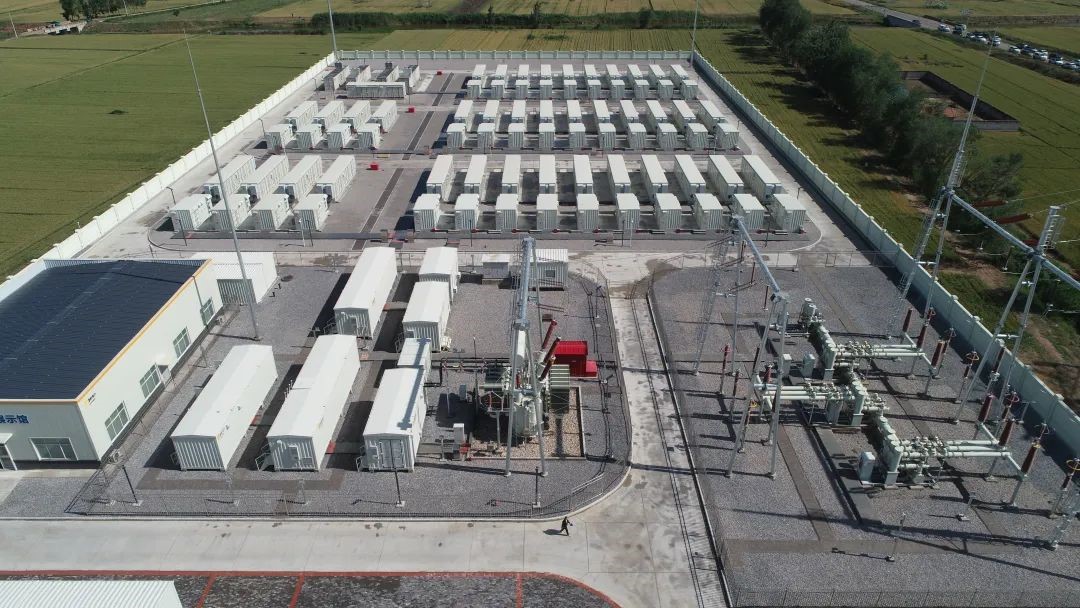
Here’s the core concept I keep coming back to after 17 years commissioning and retrofitting grid-scale storage: if your ingredients aren’t prepped right, the whole dish falls apart under heat. I’m talking about utility scale battery storage in the literal heat—a July afternoon in Pecos County, Texas, 2023. We watched a 100 MW/200 MWh site run at reduced output for 4 hours because air-cooled units couldn’t keep cell temperatures within the tight band the BMS wanted. The log showed a 14% availability hit that month from HVAC derates alone. So, what would I change if I had to serve this system again tomorrow?

I start with utility scale energy storage systems as a whole plate, not a single spice. The hidden pain points aren’t headline features; they’re the small cuts. Loose tolerance on power converters that drift under harmonics. Rack fans pulling dust through seals near a caliche road (West Texas grit will eat filters—fast). An EMS tuned for average weather, not the 3 p.m. spike. Look, the fix isn’t fancy, but it’s precise: better thermal design, smarter state-of-charge windows, and alarm rules that don’t trip on every sneeze. — and yes, that caught me off guard the first time I saw a clean SCADA screen hide a dying coolant pump. I prefer solutions that hold steady at 42°C ambient without a human babysitter. That’s the bar I cook to.
Comparative Outlook: New Principles That Hold Up in the Field
Real-world Impact
Four swaps keep paying off when I weigh uptime against cost, and I’ll give you the numbers I’ve logged. First, liquid cooling over forced-air. On a 50 MW block in Kern County, CA (August 14, 2022), the shift to rack-level liquid loops cut thermal alarms by 63% and shaved 1.1% loss off round-trip efficiency at a 0.5C duty. Second, distributed power converters at string level rather than a big centralized PCS. After a feeder fault in Yuma, AZ, we isolated two strings and kept 92% of capacity online—previously it was a full trip. Third, containerized LFP modules with sealed busbars over mixed-field retrofits; we reduced maintenance touches from monthly to quarterly and saw O&M fall to $4.2/kW-year. Finally, edge computing nodes at the substation that run local ramp-rate smoothing kept the EMS stable when the backhaul dipped. That last tweak saved a 28-minute outage— I still wince when I think about it.
Where does this point us next? Toward designs that push control closer to the cells and simplify airflow and wiring runs—less to clean, less to fail. In two 2.5 MWh skids I inspected near Visalia in March 2024, cabinet-level analytics flagged pump bearing wear six days before a thermal excursion. That’s not hype; it’s a sensor on a vibration floor. I also like DC-coupled PV plus storage when the site has long clipping windows. With utility scale energy storage systems set to absorb midday surplus directly on the DC bus, the EMS can flatten starts and stops, and harmonic filtering gets easier. The trade: plan your protection scheme early, including islanding logic and low-voltage ride-through. Miss that, and you’ll chase ghosts for months. We’re not guessing anymore; I’ve seen 6–8% more delivered MWh per quarter after those design choices. (Small changes, big appetite.)
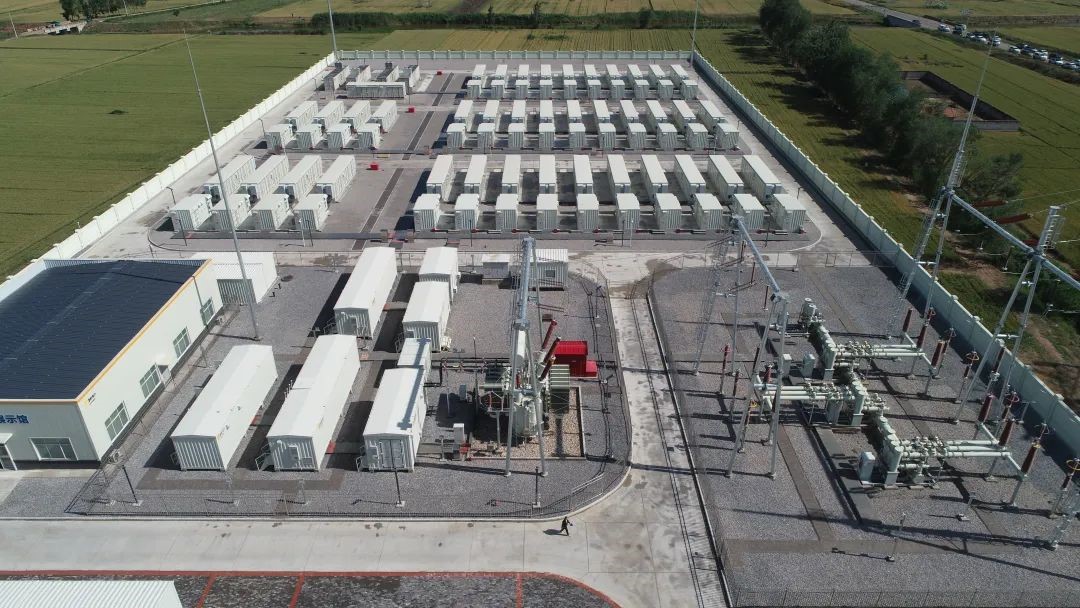
Before I wrap, here’s how I advise utility asset managers and EPC leads to choose a path—measured, not flashy. Three metrics decide my buy: 1) Thermal stability at rated load: prove delta-T per rack under 40–45°C ambient for a 2-hour run; 2) Fault containment: demonstrate string-level isolation so a single failure drops no more than 10% capacity; 3) Service intensity: documented mean time to service below 30 minutes for pumps, filters, and breaker replacements, with parts staged on-site. Meet those, and downtime falls in line with what I’ve seen across the Southwest since 2017. If you need a steady hand to compare options or pressure-test a bill of materials, that’s been my lane for years, and I’m happy to walk a site and call it like I see it. You can explore more through HiTHIUM—I keep my notes practical and the advice human, not promotional.