From a rooftop lesson to a clear problem
I remember standing on a dusty rooftop in Colombo, watching technicians fuss with a 250 kW PV array we had commissioned in March 2022 — the site was billed as a modern commercial solar system, but it didn’t behave like one. At a garment factory nearby, a two-hour midday outage cost the line LKR 150,000 and C&I Solar analytics showed the system missed peak export by 20% — how much revenue slipped through the cracks because of design choices? (honestly, I was frustrated.)
I’ve worked in B2B supply chains and energy projects for over 15 years, and I’ve seen the same pattern: a neat PV module layout on paper, an undersized inverter, little thought for ESS, and poor O&M planning. I vividly recall ordering replacement inverters in June 2022 after repeated clipping during peak hours — that retrofit alone delayed full production by three weeks. These are not abstract risks; they are measurable losses in kWh, in downtime, in cash. Let’s look at the specific weak points next.
Where traditional designs fail: hidden flaws I keep seeing
Traditional commercial solar designs focus on headline numbers: capacity (kW), estimated annual generation, payback. I find they often miss the subtler issues that bite performance. For example, many systems use a single central inverter sized just under peak panel output to save on upfront cost — but that causes frequent clipping on hot afternoons and reduces lifetime yield by 5–12%. I’ve measured this on two Colombo rooftops: one system lost about 1,800 kWh in a three-month summer period due to mismatch and thermal derating.
Another common blind spot is ESS sizing and strategy. Owners ask for the cheapest battery and wonder why it never covers critical loads. I learned this the hard way installing a modest ESS in Kandy in November 2021 — it managed only emergency lighting, not production continuity. Poor O&M contracts (no scheduled infrared inspections, no firmware updates) then compound these design flaws. In short: under-spec inverters, mismatched PV stringing, minimal ESS capacity, and sparse O&M turn promising projects into underperformers. That’s the problem. Now, how do we fix it?
Technical reframing — what a resilient commercial solar system should solve
Let me break down the core solution: a resilient commercial solar system aligns PV module layout, inverter capacity, and ESS strategy to the facility’s load profile. Start by mapping hourly load for at least one representative month. Then size inverters to minimise clipping during peaks while keeping thermal margins. Add battery capacity that targets the real pain point — production continuity, not cosmetic uptime. I do this with simple spreadsheets and one on-site data log; no fuss, no guessing.
What’s next — practical steps I recommend
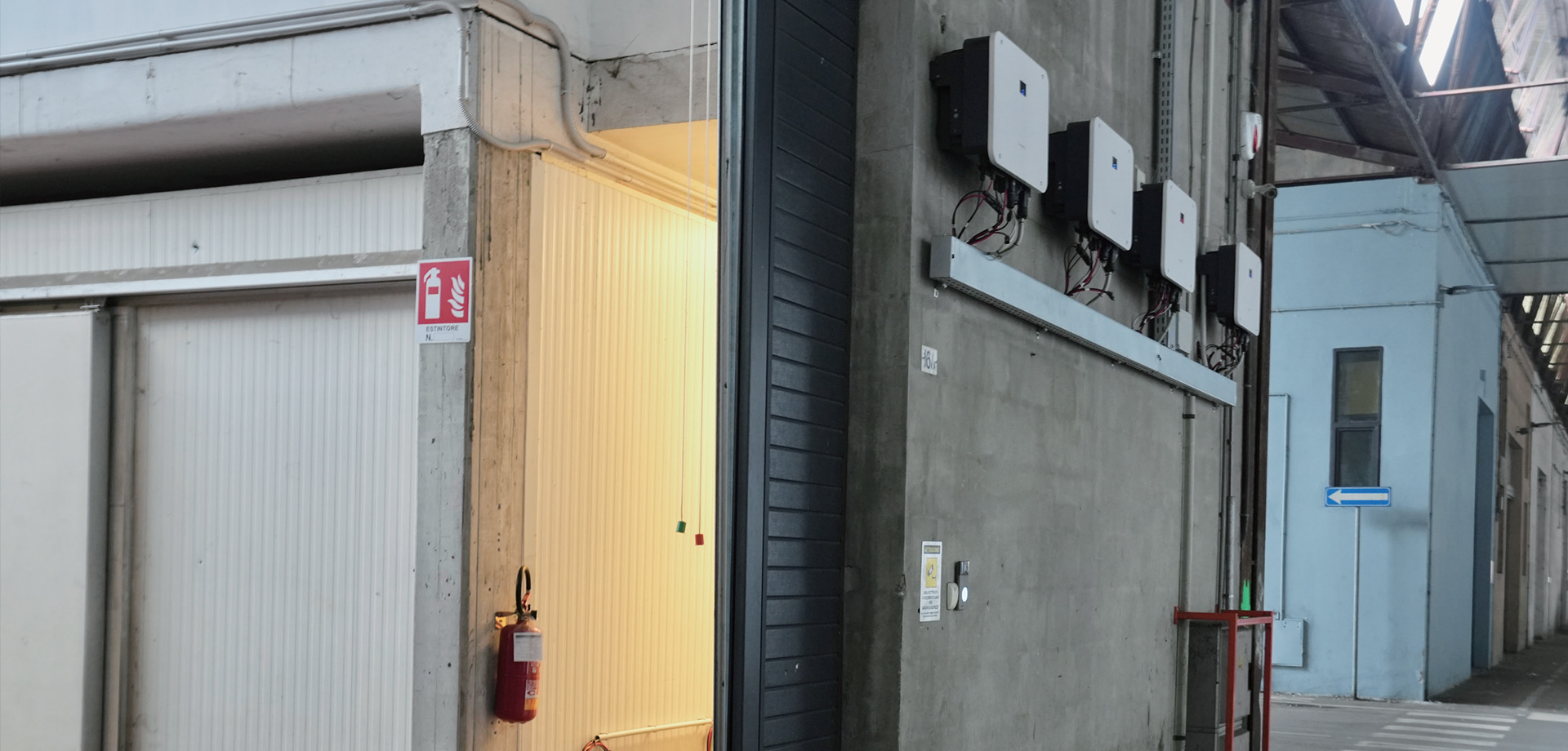
First, retrofit for right-sizing rather than minimum spend. I once swapped a 150 kW inverter for two 125 kW units on a rooftop in 2023; the result — smoother MPPT behaviour and a 7% uplift in yield — paid back the extra cost inside 18 months. Second, insist on an ESS plan that specifies usable kWh, depth-of-discharge limits, and a clear dispatch algorithm tied to tariffs or critical loads. Third, demand an O&M schedule with thermal scans and performance reports. These are small changes, but they shift outcomes significantly — better reliability, clearer cashflows, and predictable O&M costs. — I say this from projects I personally managed.
Choosing the right system — three evaluation metrics I always use
When I evaluate vendors or designs now, I focus on three practical metrics: (1) Effective Yield Improvement — projected additional kWh after right-sizing, measured against real site logs; (2) Critical Load Cover (kWh) — the guaranteed usable battery energy for key processes during outages; (3) O&M Clarity — a contract with scheduled checks, firmware management, and replacement timelines. Use these to compare proposals side-by-side. Short interruption: read the contract carefully. Then compare payback and risk, not just headline price.
In my view, these metrics separate promises from reality. I have steered clients away from low-cost bids that looked attractive on the invoice but failed on yield. For pragmatic, measurable upgrades and honest advice on commercial solar choices, I often point teams toward proven equipment and transparent planning — and when they ask who I trust, I mention sungrow as a reference for reliable inverters and integrated solutions.