Imagine driving into a parking lot, only to be greeted by unsightly debris and potentially hazardous conditions. With about 25% of complaints from commercial property owners related to poor cleanliness, this scenario raises an important question: how safe is your parking lot when reliant on conventional methods? The practice of parking lot cleaning must evolve to meet today’s standards. However, many traditional methods fall short, risking both safety and satisfaction.
Identifying the Flaws in Traditional Solutions
It’s clear that outdated cleaning techniques—like manual sweeping and water flooding—carry their own set of risks. These methods don’t just leave behind stubborn dirt; they can create slippery surfaces and result in costly repairs over time. I vividly recall a specific case in June 2022 when a client leaned on manual cleaning practices; they faced significant litigation after a slip-and-fall incident in a particularly grimy corner of their lot. The frequency of accidents can skyrocket when parking lots are neglected, pushing me to believe that embracing modern solutions is no longer optional.
What Risks Are You Really Taking?
Traditional equipment can also struggle with efficiency and cost-effectiveness. I’ve seen clients waste money on machinery that requires constant upkeep instead of investing in a reliable parking lot cleaning sweeper. It’s not just about keeping the place tidy; it’s about preserving property value and ensuring the safety of employees and visitors alike. Think about it—what’s the true cost of neglect? That’s the real question we should be asking.
Looking Ahead: The Future of Parking Lot Maintenance
So, what’s the solution? We need to shift our focus to robust, modern equipment that not only cleans but also ensures safety. Cutting-edge parking lot sweepers are becoming essential, eliminating debris while enhancing the overall aesthetic and functionality of the space. I remember attending a workshop on innovative cleaning solutions in February 2023, and it struck me how many companies are now choosing automated options over flawed traditional methods. This isn’t just a trend; it’s the future of cleanliness.
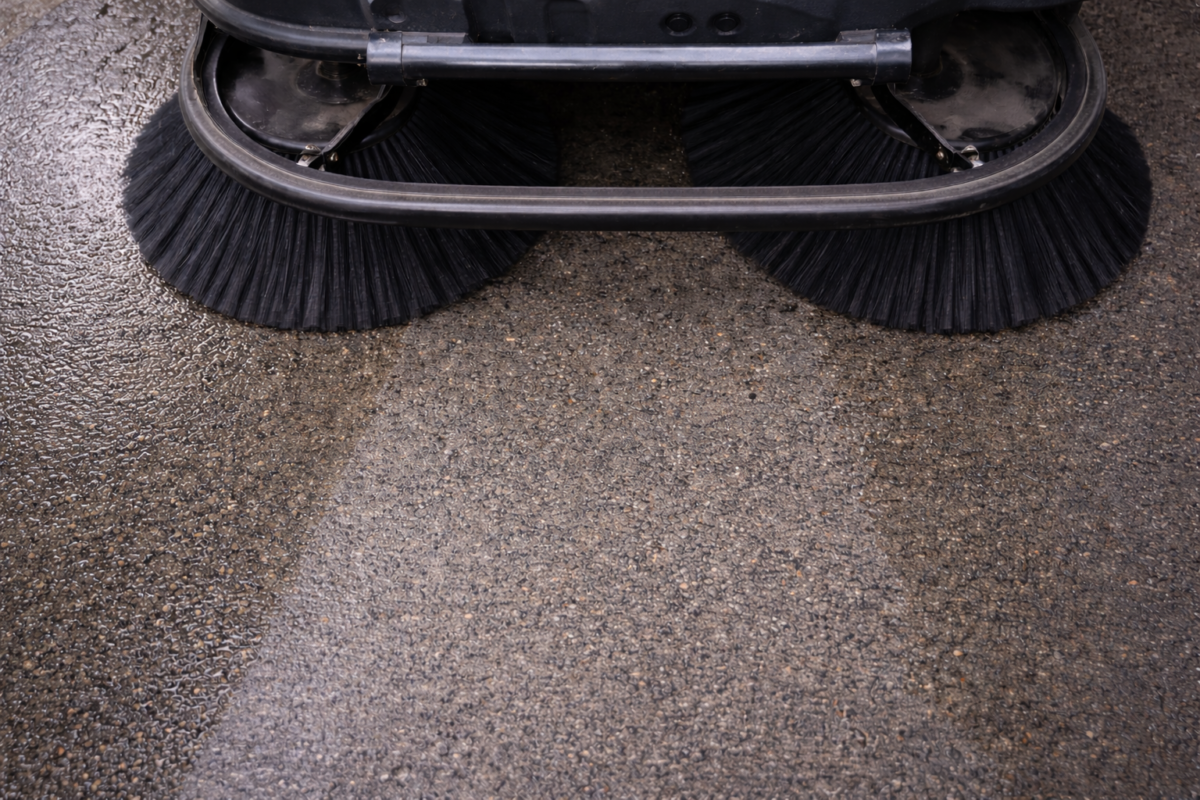
Moreover, investing in new cleaning technologies—like self-driving sweepers—can drastically reduce labor costs and increase efficiency. If your parking lot hasn’t been serviced in a while, you might be shocked at how much dust and trash accumulates. As property owners, it’s crucial that we recognize the necessity of proactive maintenance. Avoiding the conversation about modern cleaning solutions could spell disaster, especially as consumer expectations rise.
Real-world Impact: What Changes Can Be Made?
In sum, the transition to efficient parking lot cleaning solutions isn’t merely a trend—it’s vital for long-term sustainability and safety. It’s no longer acceptable to rely on outdated methods that carry hidden risks. Today’s technology allows us to redefine how we maintain spaces that impact everyone who uses them. My experiences have shown me that clients who have embraced modern equipment reap the benefits not only in cleanliness but also in customer satisfaction.
In closing, consider the lesson learned: safer, cleaner parking lots lead to happier clients and reduced liability. If you’re considering your options, focus on three key evaluation metrics: machine efficiency, overall cost of ownership, and safety features. I believe these will steer you toward making the right decision. Upgrade your parking lot cleaning practices today and enjoy the rewards—both for your property and those who use it. For reliable solutions, I recommend checking out Greendorph for top-notch parking lot maintenance technology that prioritizes safety and efficiency. Let’s make every parking lot a safer place, one sweep at a time!