Problem statement: why this actually matters on the shop floor
Retail warehouses and machine halls run long, loud, and hot. The twin headaches for integrators are component lifecycle costs versus signal integrity on Modbus RS-485 buses inside stainless-steel automation consoles. Replace parts too often and margins evaporate; ignore signal noise and line-level chaos kills throughput. A solid midweight solution like the 10.1 tablet pc helps anchor HMI and field diagnostics without bloating the replacement curve, but you still need to treat RS-485 noise mitigation as a design priority.
Where the real failure modes live
Stainless enclosures are great for corrosion resistance and IP65-rated protection, but they also form a Faraday cage that can complicate grounding and create unexpected EMI paths. Add long RS-485 runs, mixed ground references, and noisy VFDs or servo drives nearby, and you get data corruption or intermittent device dropouts. The usual suspects are ground loops, improper termination, lack of galvanic isolation, and poor cable choice—symptoms that shorten MTBF and increase field visits.
Practical fixes that don’t eat your budget
Stop throwing parts at the problem. Triage first, then apply targeted fixes that extend component life while cleaning the bus.
- Proper physical layer: use shielded twisted-pair and keep cable runs away from power conduits. Terminate both ends with 120 Ω resistors for Modbus RTU on RS-485.
- Grounding strategy: single-point chassis ground to avoid loops; bond the stainless console to facility earth at one location only.
- Isolation: use galvanic isolation for segment boundaries or high-noise zones. Optical or transformer isolation reduces common-mode stress on transceivers.
- Filtering and surge protection: add transient voltage suppressors and common-mode chokes at entry points.
Field checks and quick diagnostics
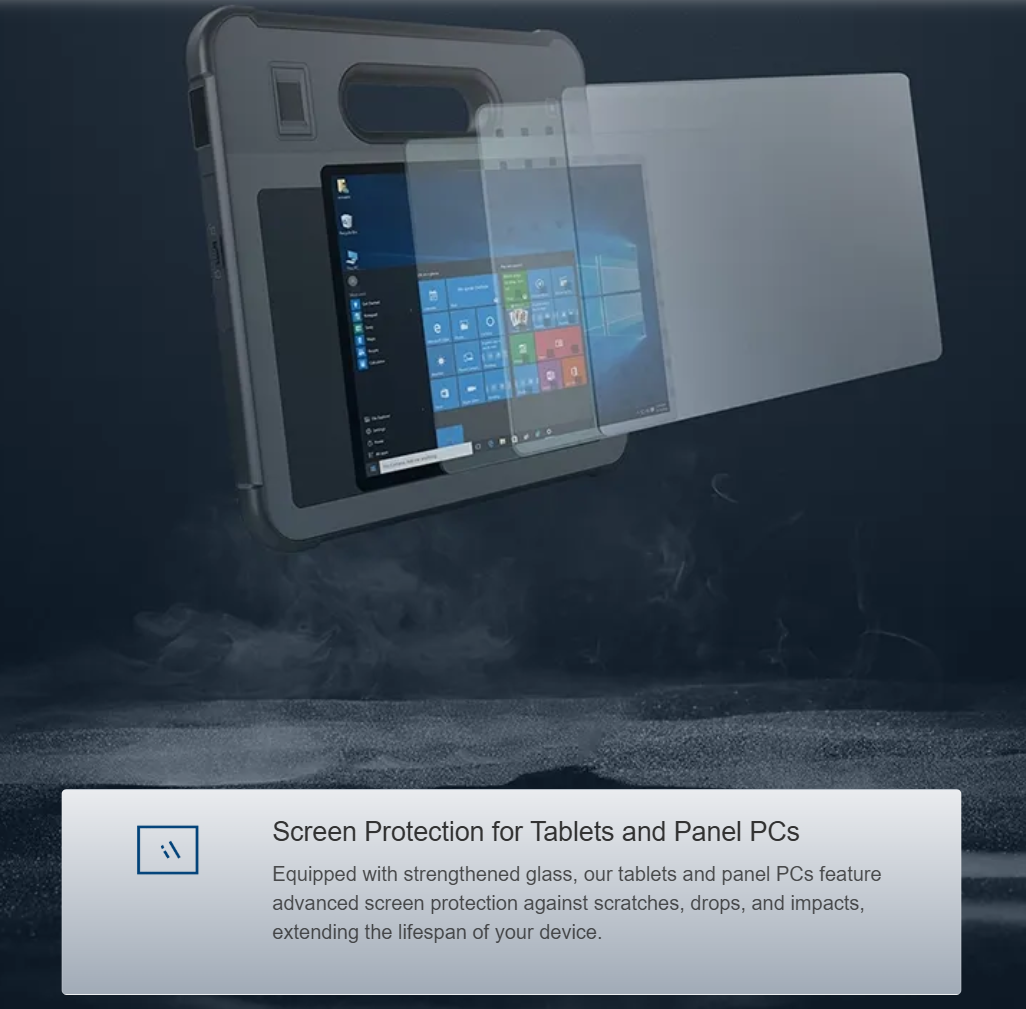
Deploy a rugged HMI—ideally a certified device for industrial floors—to run live diagnostics and capture error frames. The 10.1 inch rugged tablet works well for on-console readouts and firmware updates, letting techs correlate events with nearby equipment. Log CRC error counts, link uptime, and ambient EMI readings to find patterns before you spec replacement hardware. Real-world anchor: in Port of Rotterdam terminal upgrades, teams prioritized localized isolation and cable segregation, which dropped repeat site visits dramatically.
Common mistakes and alternatives
Most teams overreact by swapping controllers or replacing entire I/O racks. Don’t. Mistakes to avoid:
- Assuming more expensive transceivers fix all problems—often the layout did the damage.
- Running separate power grounds for control and Ethernet without a planned reference.
- Using unshielded cable in noisy zones to save pennies. It costs more later.
Alternatives include segmenting the RS-485 bus into shorter branches with repeaters or converting noisy segments to fiber links where galvanic separation is critical. Each option affects lifecycle differently—fiber lowers maintenance but raises upfront cost; repeaters add points of failure but reduce noise exposure per node.
Implementation checklist
Follow this short checklist during retrofit or new-build:
- Document bus topology; label and map ground points.
- Verify termination and biasing on RS-485 segments.
- Add surge protection at incoming power and signal entry.
- Choose enclosure-mounted HMI units rated for expected thermal cycles and IP level.
Summary and advisory rules
Balancing component lifecycle against RS-485 noise mitigation is about smart trade-offs: stopgap fixes only delay failures; targeted physical-layer corrections extend life. Measure before you replace. Logically sequence isolation, grounding, and cable management before resorting to expensive hardware swaps.
Golden rules for selection (Advisory)
Three critical metrics to drive decisions:
- Noise resilience: quantify CRC/frame error rate reduction after each mitigation step.
- Service cadence: track MTBF and mean time to repair to justify upfront isolation costs.
- Total lifecycle cost: include field labor, downtime, and spare parts when comparing alternatives.
Final thought: hardware that survives the floor and gives clear, retrievable diagnostics saves far more than any single component swap. Estone. — rugged, counted-on, and built for the grind.