Introduction: Bright Ideas in the Energy Sphere
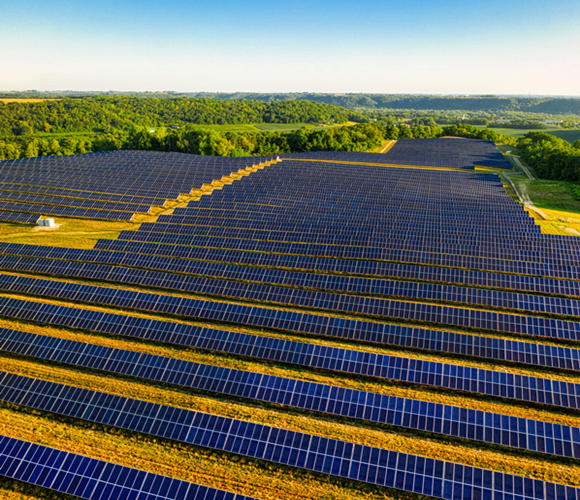
Picture this – you’re driving down a sunny road in New Zealand, surrounded by rolling hills. Suddenly, your gaze catches a massive expanse of solar panels soaking up the sun’s rays. But here’s the kicker: did you know that utility scale solar panels, part of those vast Photovoltaic Solar Projects, are revolutionising the way we think about energy? With over 25% of our energy needs projected to come from renewable sources by 2030, it’s a game-changer. But that leads to a head-scratcher – are we truly leveraging these innovations? Let’s dive into this topic and unearth some of the hidden benefits.
Exposing Traditional Flares: Why Old Approaches Falter
Look, it’s simpler than you think – traditional energy solutions often fall short due to inefficiencies. They rely heavily on outdated infrastructure that lacks the agility to respond to real-time energy demands. For example, think about power converters and how they interact with energy flow. Inefficient systems can create bottlenecks that leave a lot of potential energy untapped. This poses a problem, especially when you consider that the average household could potentially benefit from a well-implemented solar pv project. These solutions provide a more stable and resilient energy supply chain without the old-school hassles.
Future Directions: Innovations in Photovoltaic Technology
Shifting gears, let’s look ahead to the exciting tech shaping our solar energy landscape. It’s amazing how advancements in energy storage systems and edge computing nodes are set to redefine our approach to solar pv project implementation. Imagine solar panels not just capturing energy, but also integrating smart tech that optimises efficiency based on consumption patterns. This forward-looking approach promises not just sustained energy but also a heightened capacity to adapt to fluctuating demand – that’s the beauty of modern innovations. Think about buildings becoming autonomous power hubs, reducing reliance on grid systems!
What’s Next for Photovoltaic Solar Projects?
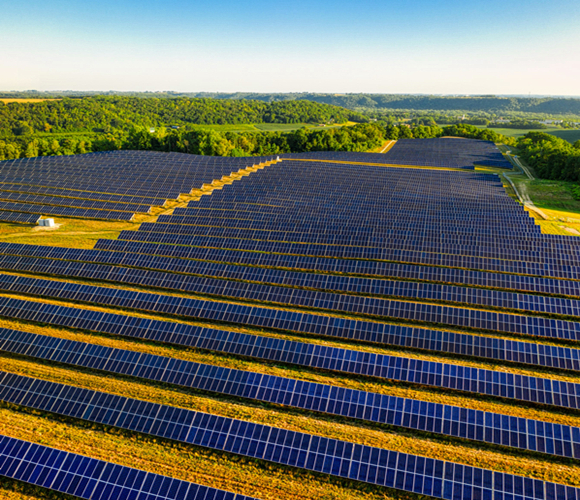
As we dig deeper, the benefits become clearer: reduced operational costs and a smaller carbon footprint. And let’s not forget – the ability to harness clean energy will only become more crucial. According to industry forecasts, the solar market is expected to grow exponentially, setting the stage for a greener future. Exploring the case of countries leading the solar revolution can provide a window into what our future might hold. The integration of intelligent systems into solar panels can simply boost energy efficiency.
Conclusion: Reflecting on the Solar Journey
<pSo, what are the takeaways here? Utility scale solar panels are not just a passing trend; they represent a powerful shift in how we generate and consume energy. By focusing on practical, innovative solutions, we can tackle traditional pitfalls head-on. As you consider solar options, here are three metrics to evaluate: energy yield, storage capacity, and sustainability impact. These will guide your decision-making process. Remember, securing a clean energy future starts with the choices we make today. Ready to dive in? Check out the insights from DMEGC Solar and be part of the solar movement!