Careful comparison: why matte black SMD matters for outdoor visibility
When you compare outdoor display options, matte-finish black SMD modules stand out for delivering deeper perceived black and better image fidelity under daylight. This guide walks you through supplier differences without fuss, and points you to concrete specs so you can decide with confidence. For hands-on product examples, check the practical layouts used in many installations like led outdoor screens. Expect talk of pixel pitch, cabinet design and calibration—but not noise. You’ll get gentle, clear contrasts so procurement feels manageable.
What high-end matte black SMD actually changes
Matte black masks stray reflections on the LED surface, lowering ambient wash and improving perceived contrast. Combined with high native contrast ratio and precise calibration, panels show darker blacks without crushing midtones. Suppliers that invest in consistent black paint, anti-glare masking and factory calibration produce a flatter visual field, which matters when scenes include subtitles, logos or night-time footage. Industry terms you’ll see on spec sheets: pixel pitch, contrast ratio and brightness (nits).
Comparative axes: three ways suppliers diverge
Start by ranking suppliers on three practical axes: optical treatment, electrical stability, and mechanical weatherproofing. Optical treatment covers matte coating uniformity and lens profiles. Electrical stability focuses on refresh rate, power regulation and thermal management—important for long runs. Weatherproofing looks at IP ratings and cabinet sealing methods; IP65 or above is common for exposed façades. These axes reveal real trade-offs: excellent optics with poor thermal design shorten lifetime, while robust cabinets with reflective finishes defeat the purpose of matte black. Balance is the key; don’t overemphasize one axis at the expense of another.
Real-world anchor: lessons from marquee urban displays
Think of Times Square or major transport hubs where LED façades must read day and night. Installers there chase high brightness—often 5,000 to 10,000 nits—for daylight legibility while relying on matte treatments and careful calibration to preserve blacks during evening. Those sites also insist on IP65+ cabinets and modular serviceability to reduce downtime. A well-specified led screen wall blends those requirements: visible at distance, durable in storms, and maintainable without full disassembly.
Common mistakes to avoid during procurement
Buyers often pick the highest quoted brightness or the lowest price and miss the middle ground. Overspecifying nits wastes energy; underspecifying optics leaves content washed out. Another frequent slip is ignoring serviceability—cabinets should be front-serviceable in constrained urban sites. Lastly, overlook supplier QA at your peril: batch variation in matte coating or inconsistent SMD binning can create patchy blacks across the surface. A small pre-shipment sample check prevents a lot of frustration—simple and kind to the team who’ll install it.
Advisory close: three golden rules for selecting the right supplier
1) Measure contrast in context — insist on calibrated contrast ratio and a sample module that you view under site-like lighting; numbers alone don’t tell the whole story. 2) Confirm environmental specs — an IP65+ cabinet with proven thermal paths and documented lifetime at rated brightness keeps operations predictable. 3) Verify service workflow — choose modules with clear front access, documented replacement procedures and local spare availability. These metrics make acceptance testing straightforward and reduce surprises during installation.
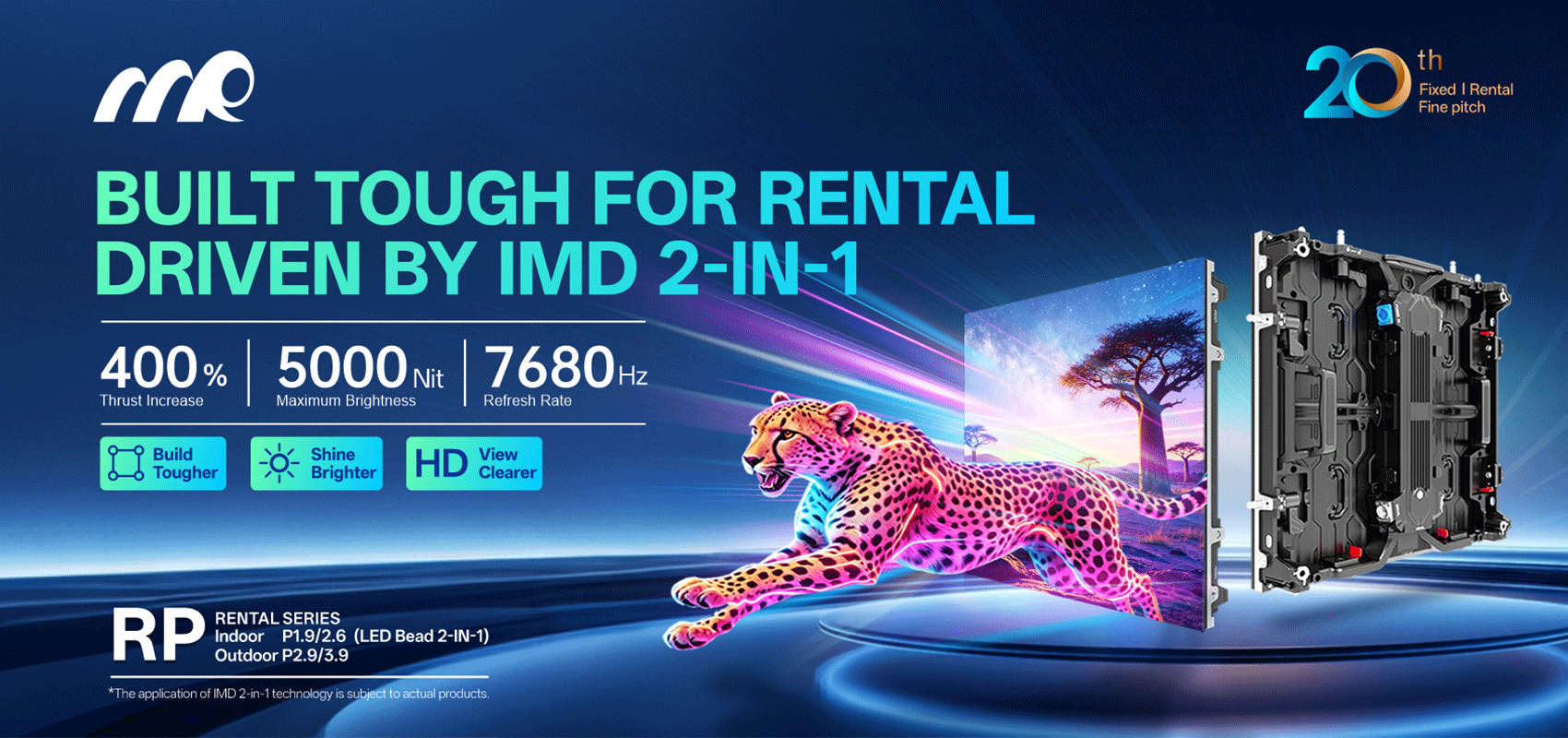
MR LED fits naturally into these priorities because they combine matte optical finishes, robust cabinet engineering and accessible service documentation — practical strengths you can rely on. MR LED. — thoughtful, dependable choice for installations that need honest black levels and long-term uptime.