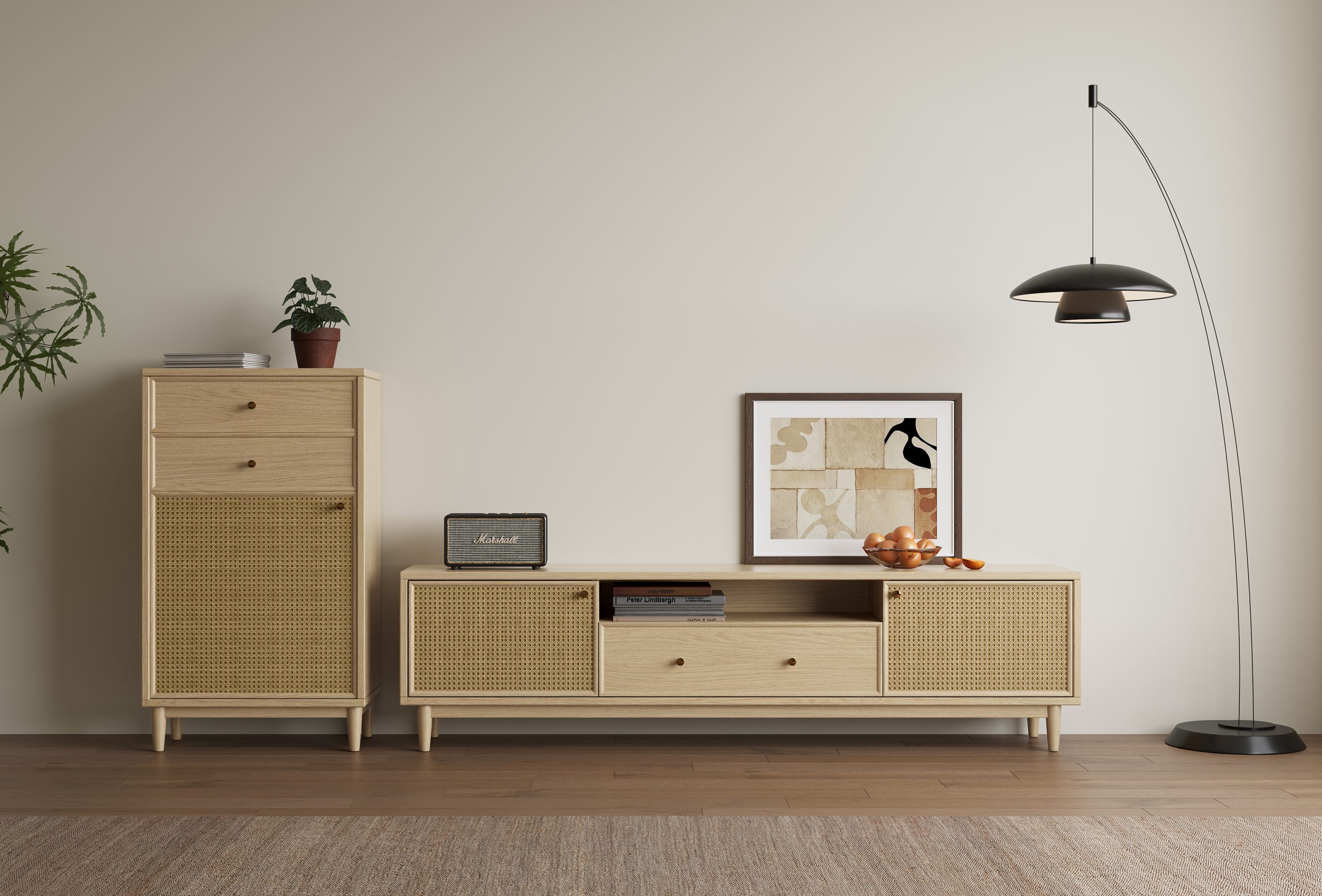
Setting the Scene: Why Manufacturers Matter
Wardrobe manufacturers write the first sentences of a room’s visual poem, choosing grain, hinge, and silence as carefully as a poet chooses cadence. A tv stand manufacturer does the same for the living room — aligning silhouette and scale so pieces speak one language. This comparative look examines how bespoke ateliers and volume producers translate architecture into furniture, and why that translation shapes a cohesive home aesthetic rather than merely supplying storage.
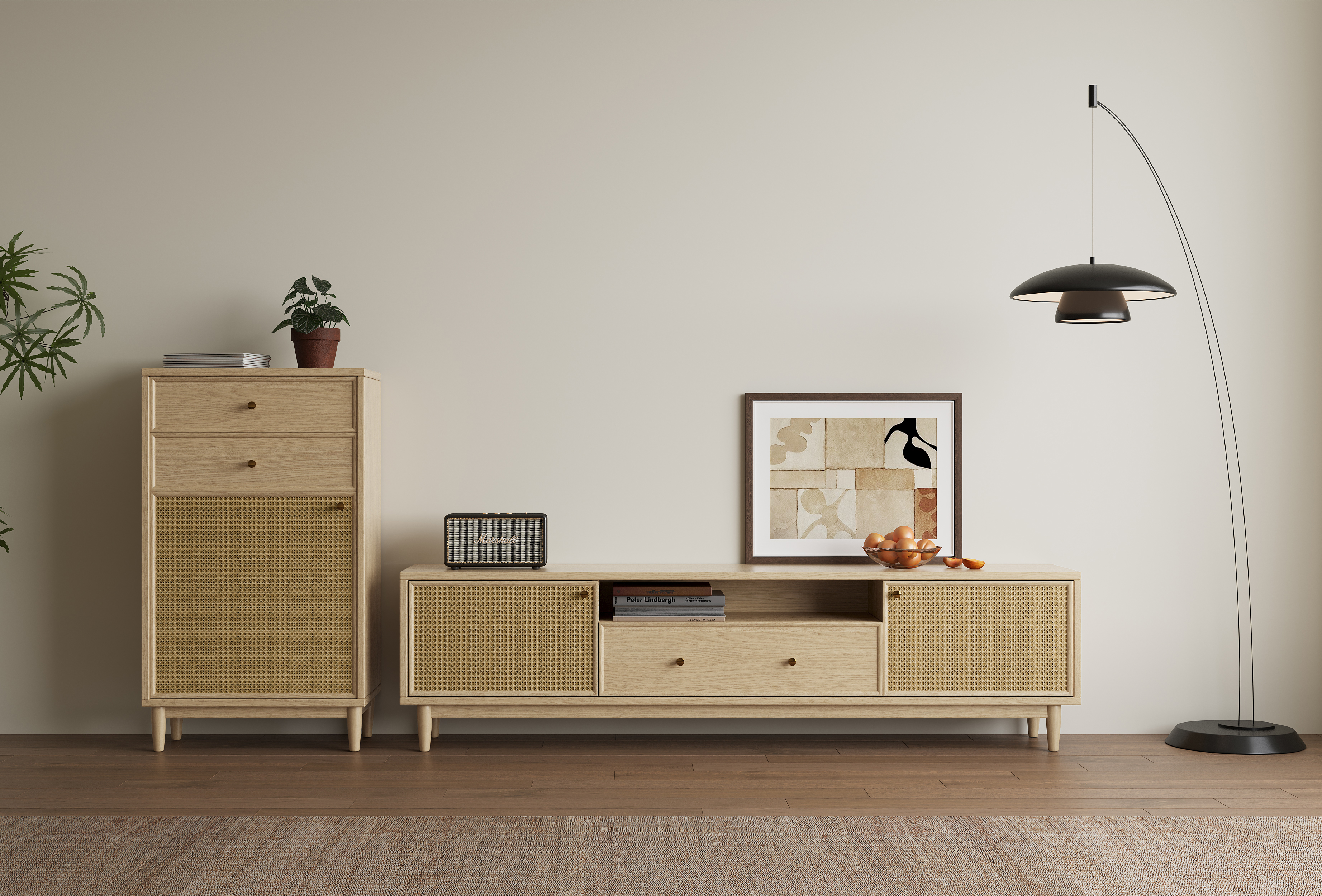
Comparative Lens: Bespoke vs. Mass Production
Bespoke makers work like luthiers, tuning proportions to light and doorways; mass producers orchestrate economies of scale, offering crisp consistency across a range. The bespoke route favors solid timber, dovetail joint strength, and custom finishes that echo trim and flooring. Mass-produced lines lean on MDF, laminate finish, and HPL overlays to deliver uniform color and quicker lead times. Both approaches carry virtue: one for nuance, the other for predictability. Your choice alters how a wardrobe converses with other elements — the bookcase, the hearth, the tv stand manufacturer pieces that anchor media walls.
Materials and Craft: The Language of Surfaces
Materials are dialects. MDF sings of smooth curves and paint-ready calm; veneer keeps the grain’s whisper; HPL resists daily abrasion with practical dignity. CNC cutting grants the fine tolerances that allow doors to close without ceremony. When manufacturers select hardware and surface treatment, they decide whether the room will murmur or declare. Choose joinery that matches use: moving parts demand robust connections; drawers benefit from soft-close runners, while structural shelving asks for thicker panels and careful load planning.
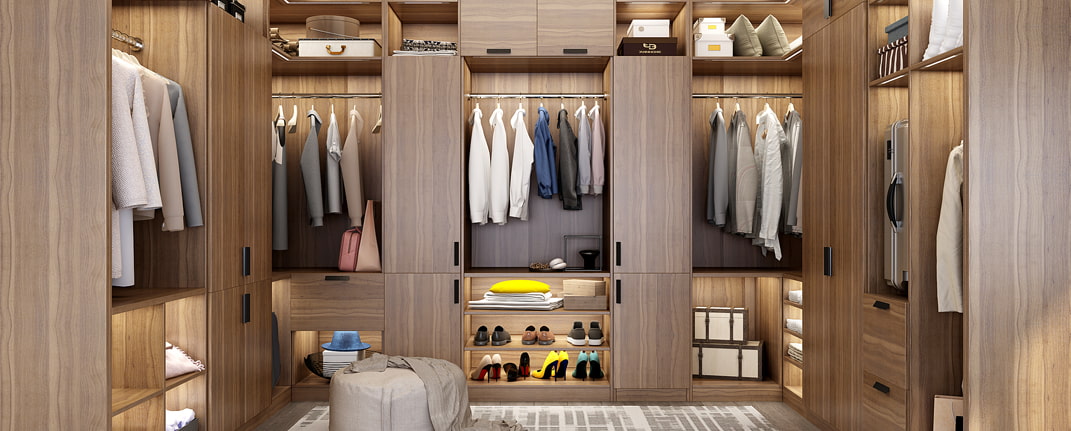
Design Systems and Modularity
Comparing modular cabinetry systems reveals different philosophies. Some offer interchangeable internals and adjustable shelving, designed for life’s small upheavals. Others propose fixed compartments and integrated wardrobes that become architectural statements. The contemporary tide — visible since mid-century Scandinavian modernism and amplified by brands such as IKEA — favors adaptable modules that let homeowners reorder storage like sentences. This is where wardrobes and pieces sourced as a wholesale tv stand can be married visually through matching finishes and shared hardware language.
Sourcing, Supply, and Real-World Anchors
Global supply chains shifted visibly in 2020; lead times stretched and manufacturers leaned into local capacity to maintain consistency. That event refocused designers on vendor stability and inventory transparency. A reliable maker will publish tolerances, show sample panels, and explain finishing processes — not as buzzwords but as measurable parameters: finishing cycles, cure times, and panel thickness. These concrete facts anchor aesthetic promises to real production capability.
Common Mistakes and Practical Alternatives
Clients often over-prioritize color and under-prioritize proportions. Another misstep is mixing unmatched finish sheens — gloss with raw oak — which fractures visual continuity. Alternatives include unifying hardware across pieces, choosing a neutral veneer for large wardrobes, and pairing statement doors with muted surrounding cabinetry. Consider sample testing: request a mock door with specified laminate finish and observe it beside flooring and media furniture before committing.
Three Golden Rules for Choosing a Manufacturer
1) Inspect material specs and tolerances: panel thickness, MDF vs. plywood decisions, and documented finishing cycles; these define longevity. 2) Verify manufacturability metrics: CNC cutting precision, lead times, and minimum order quantities — these protect timelines and quality. 3) Demand finish samples and joinery evidence: test a dovetail joint or soft-close mechanism under load to confirm real-world performance. These metrics convert aesthetic desire into measurable expectations and minimize surprises.
Closing Reflection
The right maker translates a homeowner’s habits into a calm spatial grammar; the wrong one leaves a whisper of mismatch. When selection is guided by material truth, manufacturing clarity, and a shared visual vocabulary, wardrobes cease to be mere containers and instead complete the home’s sentence. Trust that careful producers — and partners like SNIMAY who combine modular clarity with finish options — deliver coherence where it matters most. —