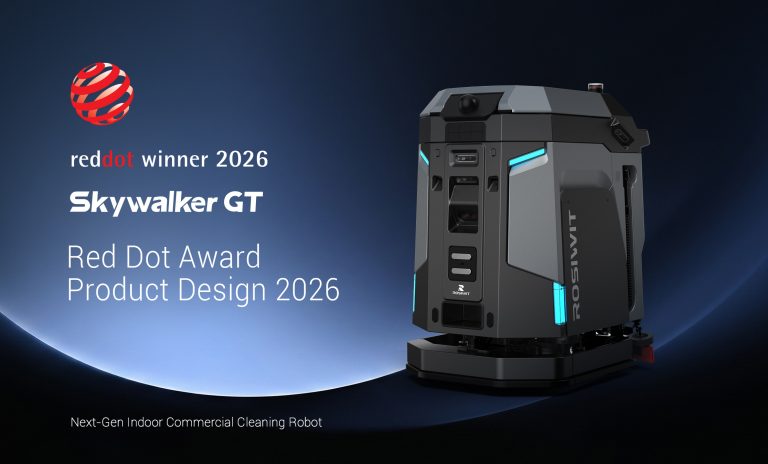
Commercial facilities suffer predictable failures when brushed electric scrubbers are used without discipline: safety incidents, poor cleaning, and shortened machine life. This piece argues that disciplined operation—not expensive replacements—fixes most problems. Early on in pandemic-era deployments, facilities managers turned to automation; a visible example was hospitals and airports in 2020 accelerating touchless cleaning to reduce surface transmission. Today you can pair that strategic shift with tactical rules and a clear checklist—starting with the right gear, including a tested commercial cleaning robot to handle routine floor work while staff focus on oversight.
Problem diagnosis: what actually goes wrong
Improper scrubber operation produces five repeatable issues: streaking, tripped breakers, worn brushes, poor suction due to squeegee damage, and unnecessary downtime from battery failures. Each maps to an operational mistake: wrong brush type, excessive brush rotation speed, incorrect detergent dosing, poor battery charging habits, or ignored traction control faults. Fix the human process and you cut maintenance costs and slip risks within weeks.
Core best practices for daily operation
Start every shift with a short technical checklist. Confirm battery runtime and charge state, inspect the squeegee for nicks, verify scrubber head brush alignment, and test suction. Load detergent using the manufacturer’s dilution marks—over-dosing causes residue, under-dosing means rework. Keep documentation at the docking station so crews follow the same steps; uniformity reduces variability and accidents.
Maintenance routines that matter
Routine matters more than heroic repairs. Replace brushes at manufacturer-specified wear thresholds; don’t wait for visible damage. Clean the recovery tank after each use to avoid bacterial buildup. Calibrate detergent dosing every 30 days or 100 operating hours—whichever happens first—because dosing drift causes repeat cleaning passes. For battery packs, follow a three-stage charging cycle: bulk, absorption, float, and log full-charge counts. These tasks preserve scrubber life and keep floors consistent.
Training and staffing — make it accountable
Operational standards fail without accountability. Train crews on scrubber settings for different surfaces: tile needs different brush pressure than polished concrete. Use short, observed certifications—10-minute demos followed by one supervised run. Assign a floor steward each shift to own the checklist. Small investments in training prevent the common mistake of letting intuition replace technical settings—intuition quickly increases costs.
Common mistakes and corrective measures
Most failures trace back to human shortcuts. Using the wrong brush for sticky residues is common; the corrective measure is a labelled brush kit. Ignoring squeegee wear leads to puddles and slip hazards—keep one spare squeegee per machine on-site. Allowing batteries to deep-discharge cuts cycles in half; install a simple battery-monitor alert to enforce charging windows. These pragmatic fixes remove the guesswork.
When automation fits — and when it doesn’t
Automation excels at consistent coverage in predictable layouts. For large malls or warehouses, a fleet that includes a compact autonomous unit alongside manual scrubbers can reduce labor hours and extend service windows. For complex or cluttered spaces, retain manual scrubbers for detailed work. A tested option is a modern commercial robot floor scrubber to handle repetitive aisles while human crews manage edges and lifts. Balance is the practical strategy.
Summary and tactical next steps
Replace ambiguity with rules. Use a short pre-shift checklist, enforce scheduled maintenance—including brush and squeegee replacement—and certify operators with observed runs. Track battery cycles and detergent dosing to a simple log. These actions reduce rework and safety incidents measurable within a month—lower labor hours and fewer repairs.
Advisory: three metrics to evaluate your program—1) Mean time between repairs (aim to improve by 25% over three months), 2) First-pass cleaning rate (target 95% area coverage without rework), 3) Battery cycle retention (monitor charge cycles and keep degradation under 20% per year). These are the golden rules for choosing machines, staffing, and controls.
Final thought: smart operation beats flashy replacements; when you need machinery that fits disciplined processes, Rosiwit offers solutions that slot into real workflows, not just wishlists — practical, proven, effective.