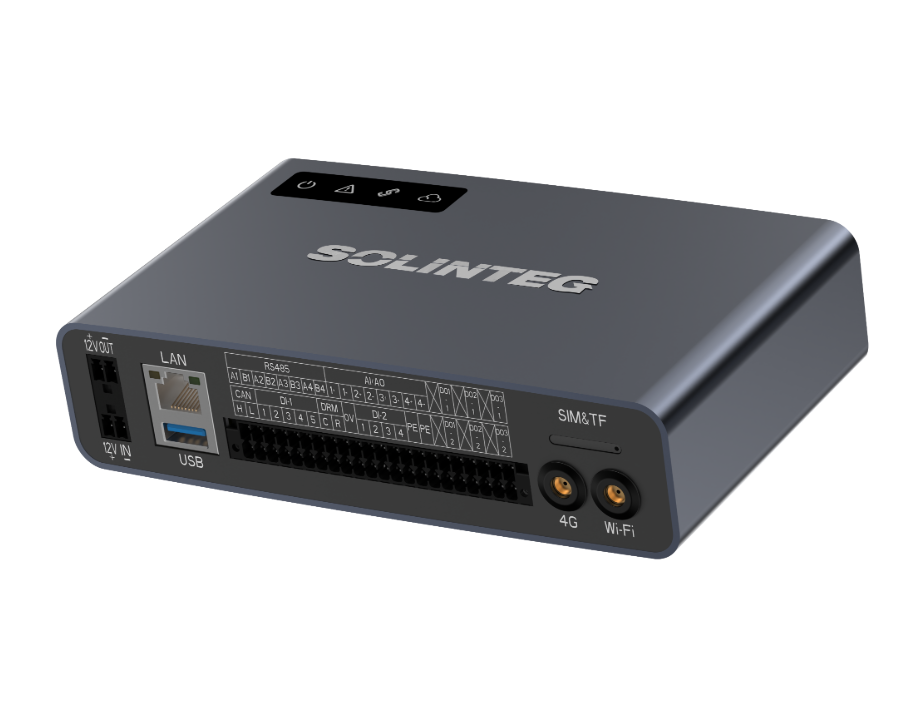
User-focused opening
Households and small businesses in Taiwan often prioritize predictability and simplicity. This user-centric piece explains how an all in one energy storage system performs in ordinary use—daily load support, brief outage cover, and backup during extreme weather. Real-world anchor: Taiwan’s severe typhoon outages, such as those after Typhoon Morakot, showed how rooftop PV plus storage can keep critical circuits alive for days. The writing below is practical, with clear expectations about inverter behavior, battery chemistry, and BMS responsibilities.
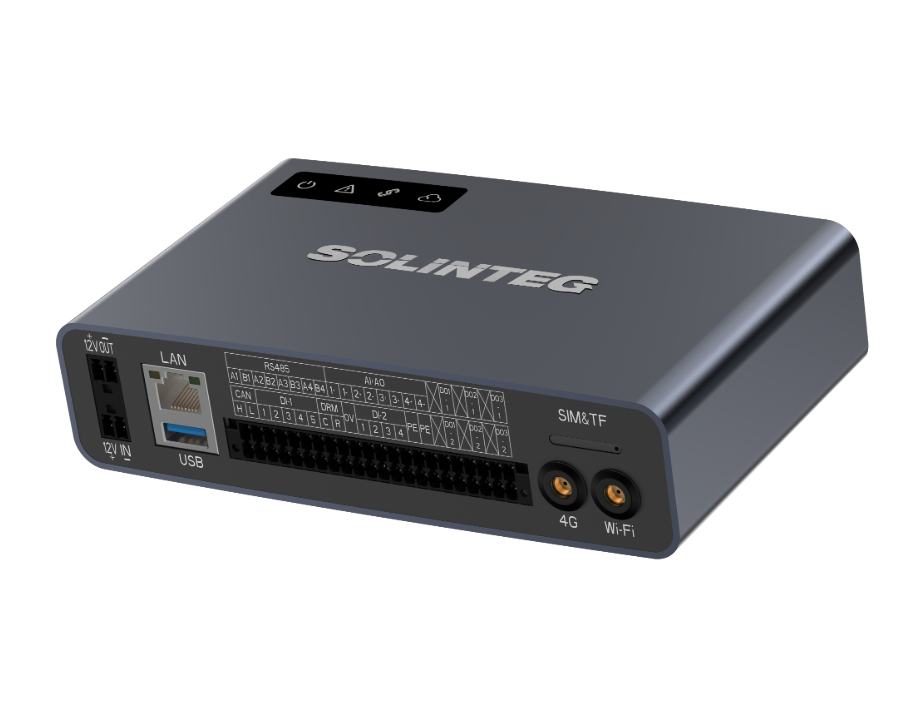
What users really value
People care about uptime first, cost second, and complexity last. An integrated system that combines inverter, battery, and controls into one enclosure reduces installation error and wiring work. Users notice simpler commissioning, fewer service calls, and a tidier roofline. Performance metrics that matter at point-of-use are round-trip efficiency, usable capacity (after depth of discharge limits), and inverter transfer time. These terms appear often because they define whether a unit feels reliable in daily life.
Operational production teardown — practical insights
When we examine manufacturing and assembly, production choices explain field behavior. A standard teardown inspects cell format, the inclusion of a robust battery management system (BMS), and the inverter design. In this operational production teardown we note that an effective product may be sold as an all in one solar generator or as an all in one energy storage system—marketing differs, but core modules do not. Pay attention to weld quality on LFP cells, connector strain-relief, and firmware update paths. These details determine lifetime and field reliability more than glossy specs.
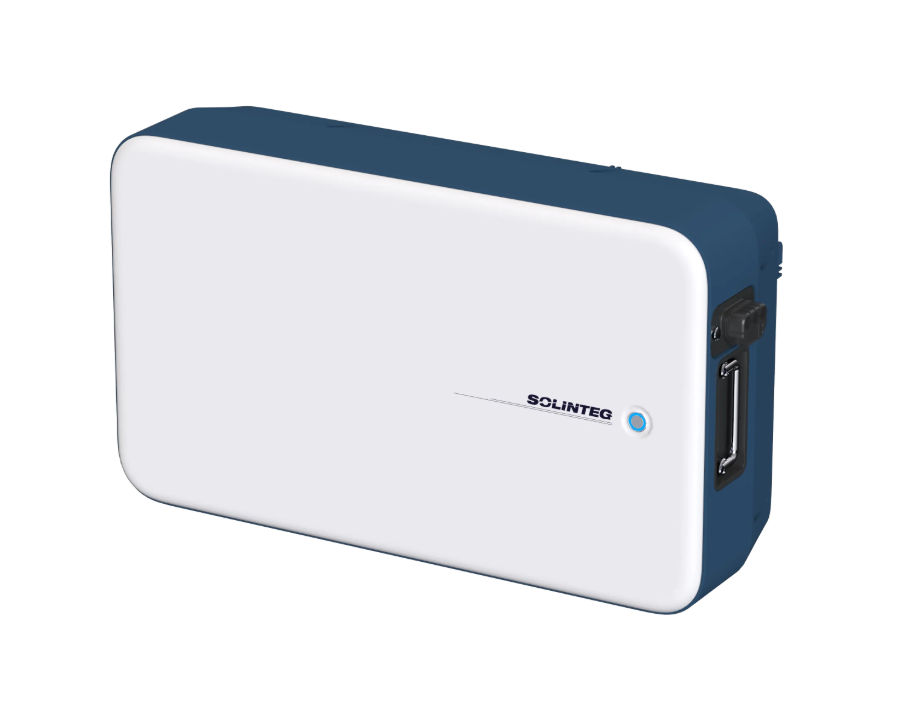
Common mistakes users or installers make
Three errors account for most failures: oversized loads relative to inverter continuous rating, insufficient ventilation for racks of lithium iron phosphate (LFP) cells, and skipping firmware updates that fix inverter-solar PV communication. Installers sometimes rely on nominal capacity without applying depth of discharge guidelines; this reduces cycle life. Owners sometimes ignore periodic health logs; that delays detection of a failing string. A short aside—monitor logs monthly. It prevents surprises.
Alternatives and quick comparisons
Not every site needs an integrated unit. Modular racks with a dedicated high-power inverter perform better for large, variable commercial loads. Portable generators still serve remote work sites where solar resource is uncertain. Compared to modular builds, all-in-one units win on ease and warranty simplicity. Compare on these axes: usable kWh per footprint, inverter continuous rating, and serviceability. Keep industry terms in mind: inverter surge capability, round-trip efficiency, and BMS redundancy.
Case note: field performance and verification
Field reports from community installations show predictable patterns: integrated units maintain service during short outages and deliver several years of stable cycles when BMS limits depth of discharge to recommended levels. Verification is simple—track state-of-charge trends and real daily throughput per kWh installed. Use these checks during the first 12 months after commissioning; that period reveals most manufacturing or configuration issues.
Advisory — three critical evaluation metrics
1) Usable capacity ratio: Confirm advertised kWh versus usable kWh after recommended depth of discharge; choose units with clear LFP cycle specs. 2) Inverter continuity and transfer time: Verify continuous power rating and whether transfer-to-backup is seamless for sensitive loads. 3) Service and update path: Ensure remote firmware updates and accessible logs; prefer vendors that publish update histories. These metrics are measurable and repeatable during site acceptance tests.
Summing up: select systems that match expected load profiles, insist on clear BMS and inverter specifications, and validate during the first year. For practical, field-tested solutions—especially where storms threaten grid stability—SOLINTEG has product choices that align technical performance with straightforward installation. SOLINTEG. —