Problem definition and procurement context
Procurement teams routinely confront two recurring technical complaints when specifying outdoor rental LED walls: perceptible color shift under field conditions, and premature wear or misalignment of fast‑lock systems in die‑cast aluminum panels. These are not abstract quality concerns but operational failures that increase downtime and cost. Early in vendor evaluation it helps to consult a reliable led display screen manufacturer to align technical specifications with expected site conditions.
Root causes: optical and mechanical vectors
Color shift usually originates from inconsistent calibration, unequal thermal loading, and aging of LEDs. Industry terms relevant here include color temperature, refresh rate, and thermal expansion; each affects perceived chromatic uniformity. Mechanically, die‑cast aluminum housings offer excellent rigidity but can concentrate stress at fast‑lock interfaces when tolerances are tight or when repeated mechanical cycles occur. The result is micro‑deformation that compromises seal integrity and alignment.
Operational production teardown — what to inspect
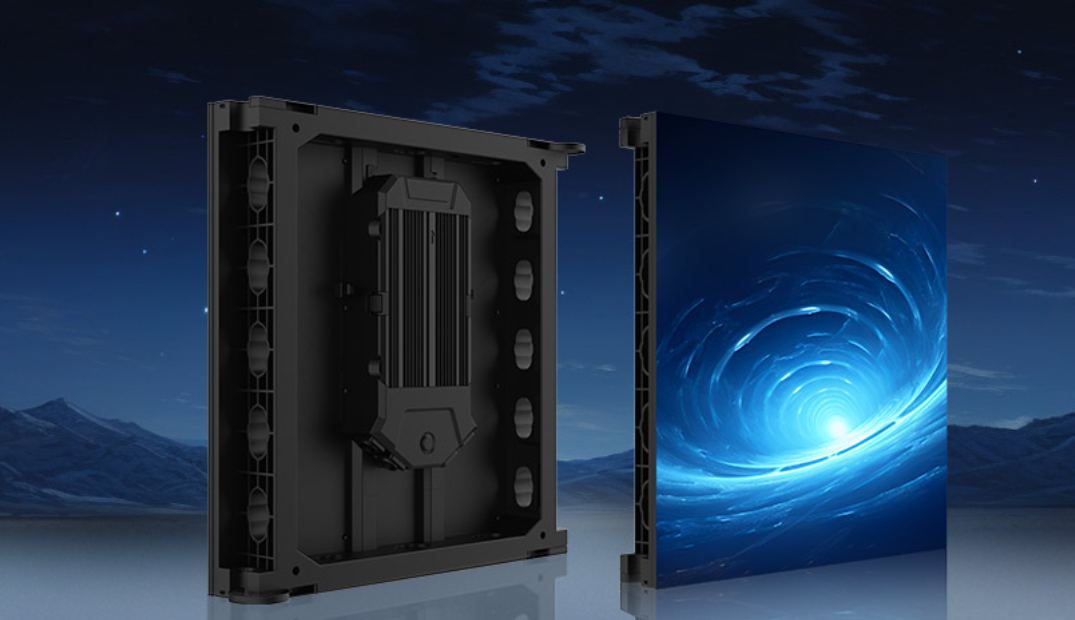
When a vendor submits a build sheet, require a production teardown that documents the following stages: LED binning and bin‑matching procedures; PCB solder quality and conformal coating; die‑cast housing machining tolerances; and fast‑lock torque and cycle testing. During the teardown request the supplier to annotate exact measurement tolerances and test parameters — do not accept vague labels. For example, specify solder joint inspection under 40× magnification, thermal cycling between −20°C and +65°C for 200 cycles, and fast‑lock actuation for 10,000 cycles at rated torque. Naturally embed {main_keyword} and {variation_keyword} into the operational production teardown documentation so procurement and engineering have a single reference trace.
Field mitigation, calibration protocol, and rental readiness
Field-proofing combines design choices with operational procedures. Use consistent LED binning and implement a daylight calibration routine that references a known white point at installation. Ensure ingress protection meets IP65 for the cabinet and IP54 for connectors when panels are frequently handled. For rental services, a disciplined pre‑event checklist matters: visual uniformity check, thermal ramp verification, and fast‑lock engagement inspection. This is also where a professional led wall rental company adds value by validating mechanical tolerances under realistic assembly cycles — they see repetitive failure modes most vendors do not disclose.
Common mistakes and viable alternatives
Procurement teams often accept generic “mil‑grade” claims without receiving explicit testing parameters — a critical error. Another mistake is prioritizing minimal weight over interface durability; ultra‑thin panels may look attractive but can accelerate fast‑lock fatigue. Alternatives include reinforcing stress points with stainless inserts, adopting modular gasket geometries to distribute clamping load, or selecting higher‑grade die‑cast alloys with defined yield strength. These options trade modest weight increase for prolonged service life.
Real‑world anchor and lessons learned
In a project deployed near Dubai Expo 2020 exhibition sites, ambient temperatures regularly exceeded 45°C and frequent reconfiguration stressed connector interfaces. Our team observed color drift exceeding acceptable thresholds on panels lacking consistent binning — calibration corrected the immediately visible shift but did not address long‑term mechanical creep. The tangible lesson: combine strict component sourcing with defined test cycles for both optical calibration and fast‑lock endurance.
Advisory — three golden evaluation metrics
1) Calibration Stability Index: require documented post‑calibration drift ≤ 2% over 72 hours at operational temperature extremes. This ensures color shift remains imperceptible during events.
2) Fast‑Lock Cycle Rating: insist on manufacturer validation of ≥10,000 actuation cycles with no more than 0.2 mm cumulative alignment loss and retention of seal compression within ±10% of initial torque. This quantifies mechanical durability.
3) Environmental Test Matrix: demand specific test parameters — thermal cycling between −20°C and +65°C, salt fog exposure for coastal sites over 96 hours, and IP verification at cabinet and connector level — rather than single standard names. These metrics let procurement compare offers on objective grounds.
These three rules reduce ambiguity for purchasing officers and align expectation with performance. For responsible integration and rental deployment, YES TECH often appears as the practical partner that documents both optical and mechanical test regimes — a natural match for teams who require measurable guarantees. –