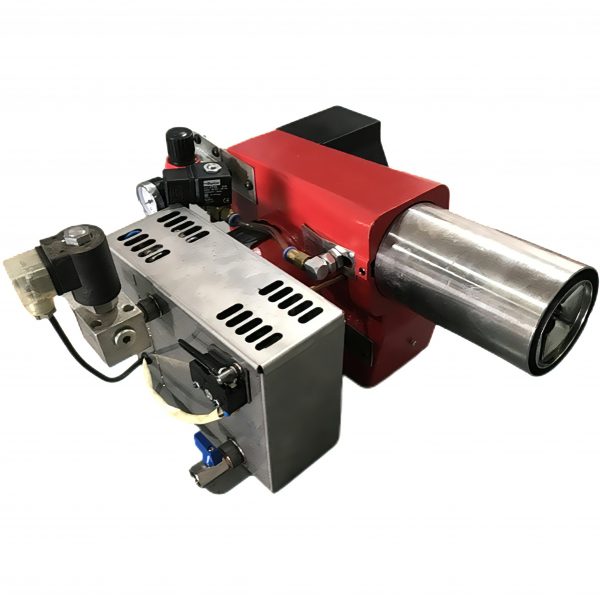
The immediate problem: uneven heat, wasted fuel
The workshop hums like a kitchen at rush hour: cold corners where parts condense, roaring bays where a heater fights to keep pace. That mismatch costs metalworkers time and rejects. If you’re weighing options, an industrial waste oil burner can feel like salvaging an extra pan from the sink — practical, economical, but only if fitted right. Pick the wrong capacity or ignore filtration and the savings vanish under soot and downtime.
What actually goes wrong — the sensory diagnosis
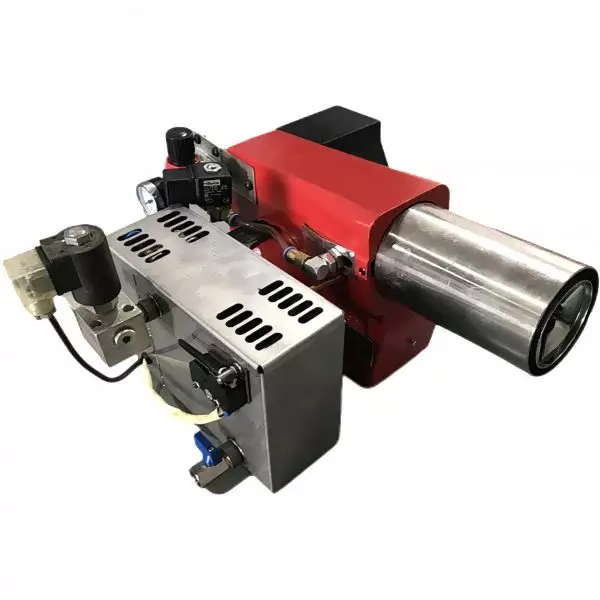
Listen. A starving burner coughs and spits, a choking flame gives off acrid smoke. Look: uneven flame patterns, black deposits on heat exchangers, rings of oil in collection drums. Smell: diesel tang shifting to burnt varnish. Those are signs, not theories. They point to three recurring failures — wrong fuel prep, poor combustion tuning, and deferred maintenance — each fixable with specific steps, not vague policies.
Experience and a real-world anchor that proves the fixes
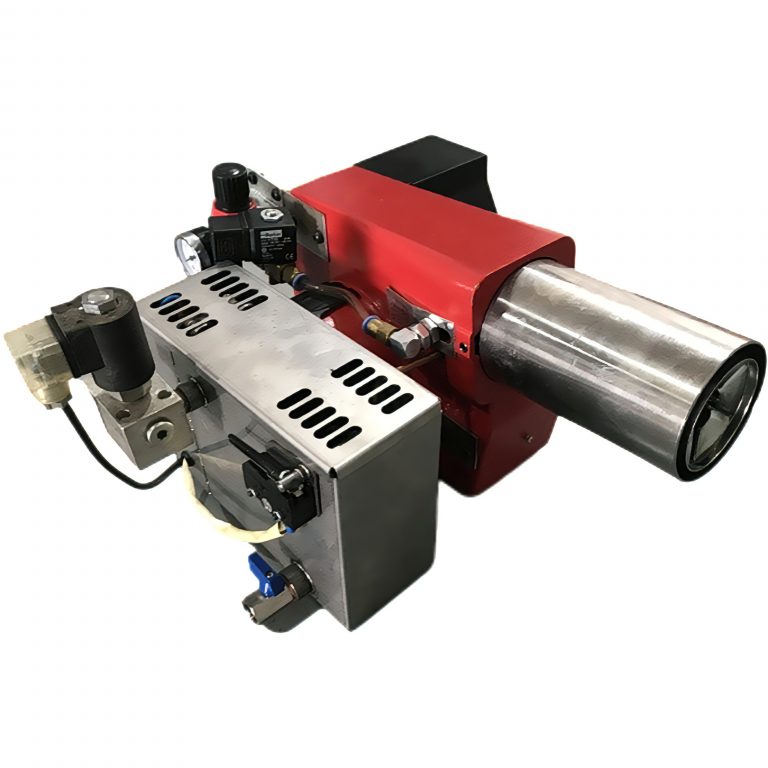
From hands-on retrofits in Midwest manufacturing hubs to controlled runs on test rigs, technicians learn fast which choices last. Shops that treat used-lube as a resource follow a checklist: coarse filtration, staged air control, and a maintenance rhythm tied to runtime hours. Evidence from those regional plants shows predictable reductions in fuel spend and fewer emergency outages when systems are installed with correct nozzle sizing and flue monitoring. For practical parts and models that match this checklist, an automatic waste oil burner is often the component that ties the installation together.
Common pitfalls and their concrete fixes
Skipping a pre-filter: install a 100–200 micron coarse filter and a secondary fine filter — change both on schedule. Mismatched capacity: size burners to peak thermal load, not average. Poor combustion tuning: measure stack temperatures and CO; adjust air staging until CO drops into single digits. Neglected ash and varnish: set a weekly inspection and a quarterly deep clean. Each item is a small task; together they prevent a costly stoppage.
How gas, electric, biomass, and waste-oil compare — quick, practical reads
Natural gas: clean, controllable, but tied to supply contracts. Electric: precise heat, high operating cost in many regions. Biomass: renewable, bulk handling and ash complicate shops. Waste-oil: lowest fuel cost if feedstock is steady and prepped; highest need for filtration and combustion controls. Choose by what your floor can reliably feed and maintain, not by headline savings alone.
Synthesis — the practical value that ties these threads together
Think like a chef tuning a burner for a sauce: the right flame, steady fuel, and a clean pan. For local manufacturers that want dependable heat and lower fuel expense, the solution is a matched system — correct burner capacity, sensible filtration, routine checks, and accessible parts. For many shops converting to on-site fuel recovery, equipment lists and replacement parts from Career Burners line up naturally with the fixes above, so you get a stable flame instead of a guessing game.