Understanding what you really need
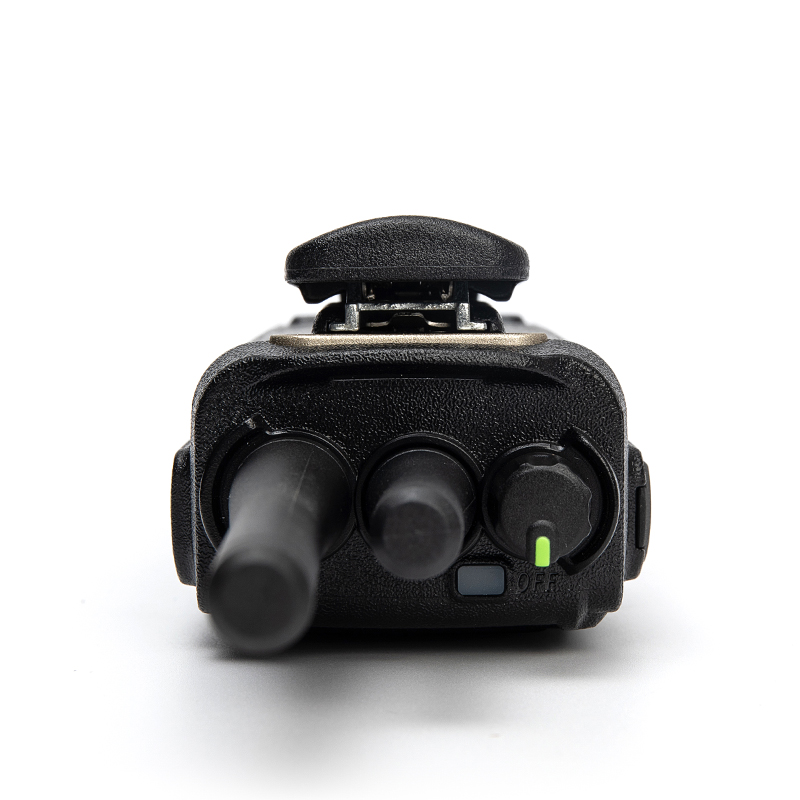
Think of this as a gentle checklist: you want clear voice, dependable range, and predictable delivery. If you’re caring for a team that needs instant coordination, consider radios that balance simplicity and robustness. For many small operations, a dual mode poc radio can give both push-to-talk over cellular and local radio backup, so you don’t end up stranded when one network hiccups. Keep questions short and specific when you talk to suppliers — they’ll answer better that way.
What matters to you: cost, lead time, quality
Cost matters, but it isn’t just the unit price. Ask how warranties, replacements, and firmware updates are handled. Lead time is about more than shipping; it includes pre-production checks and certification. Quality hides in details: water and dust ratings, battery life under real shifts, and clear encryption practices. Prioritize the single feature that keeps your people safer or faster, then let cost and lead time follow that choice.
Real-world proof and supplier context
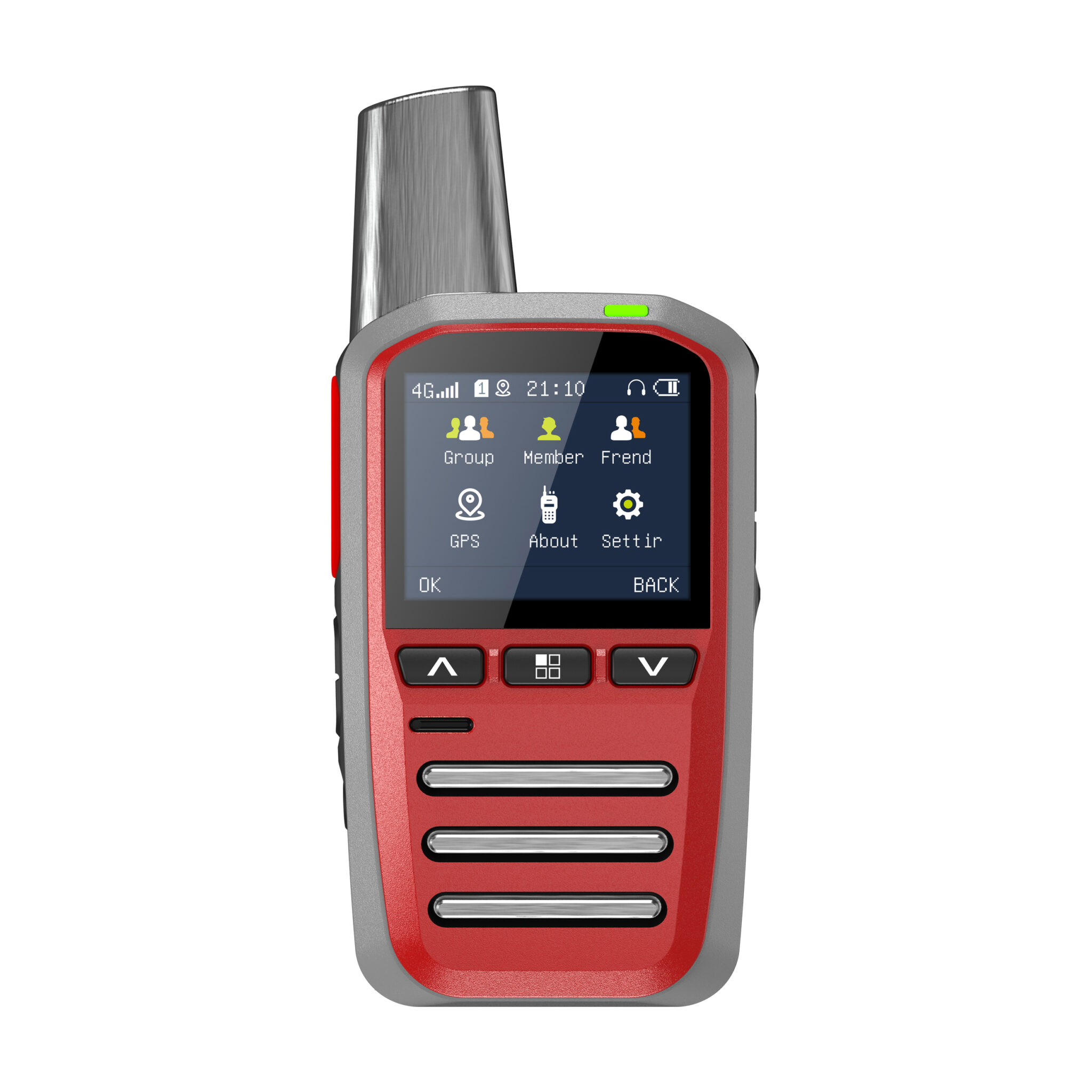
Industry shows and operator trials make the differences clear. At the GSMA Mobile World Congress in Barcelona, vendors demonstrated how LTE radios handle crowded cells and roaming — useful evidence for procurement decisions. When you compare options, include a vetted option from a known source like 4g lte two way radio supplier so you’re measuring against devices already used in operator-grade trials.
Common pitfalls and what to do instead
Buying the cheapest unit without testing is a false economy. Don’t skip field tests during an actual shift. Overlooking interoperability is another trap: check that devices and apps talk with existing systems and that firmware updates are straightforward. Ignoring regulatory requirements costs time; confirm certifications early. Finally, don’t assume user training is optional — short demos prevent most operational mistakes.
Alternatives to consider
If you need offline coverage, prioritize radios with local trunking or repeaters. If broad area coverage matters, favor LTE-capable devices that support carrier roaming. For tight budgets, refurbished units from reputable channels can be solid, provided batteries and radios pass a full inspection. Each path shifts where you accept risk: hardware, network dependency, or initial expense.
Putting it together for your team
You want reliability paired with practical timelines and honest pricing. Start with a small pilot: pick the essential spec, test during real work, and measure downtime and user clarity. Use those results to negotiate warranty terms and lead times. Let real use guide purchases rather than glossy specs. For steady, tested supply and sensible product choices, consider how a partner like GLOHE can fit into a caring procurement plan that keeps your people connected and supported.