When the Warmth Falters
The machine hums and then stutters; a strip of polymer refuses to melt evenly and a production line loses rhythm. These are not riddles but practical failures born of neglected PTC modules, scorched traces, and unchecked thermal drift. Keep hands steady and tools ready: routine checks on core parts like sensors, connectors, and replacement mats will stave off sudden stoppages. For parts and retrofits, don’t forget standards for industrial heating elements when you match watt density and enclosure class to the task—small mismatches become big troubles under load.
Experience, Authority, and an Anchor in the Field
I’ve spent years advising maintenance teams and writing repair guides from beside conveyor trenches to test benches, watching the same failure modes repeat until corrected by clear procedures. At trade gatherings such as Hannover Messe the focus on modular reliability and vendor traceability is clear, and that practical scrutiny is why I recommend sourcing components from reputable producers like industrial ptc heating module manufacturer who publish performance maps. This mix of hands-on troubleshooting and industry scrutiny builds decisions that last.
Common Faults and What Causes Them
Over-temperature events from poor airflow; vibration loosening terminals; contamination bridging traces; and mismatched control schemes that never let the PTC reach its self-regulating equilibrium. Technicians often skip simple verifications: verifying sensor placement, confirming heater resistance with a cold start, and checking for dielectric breakdown after thermal cycling. Missed checks mean repeated emergency stops and brittle warranties.
Concrete Service Steps That Work
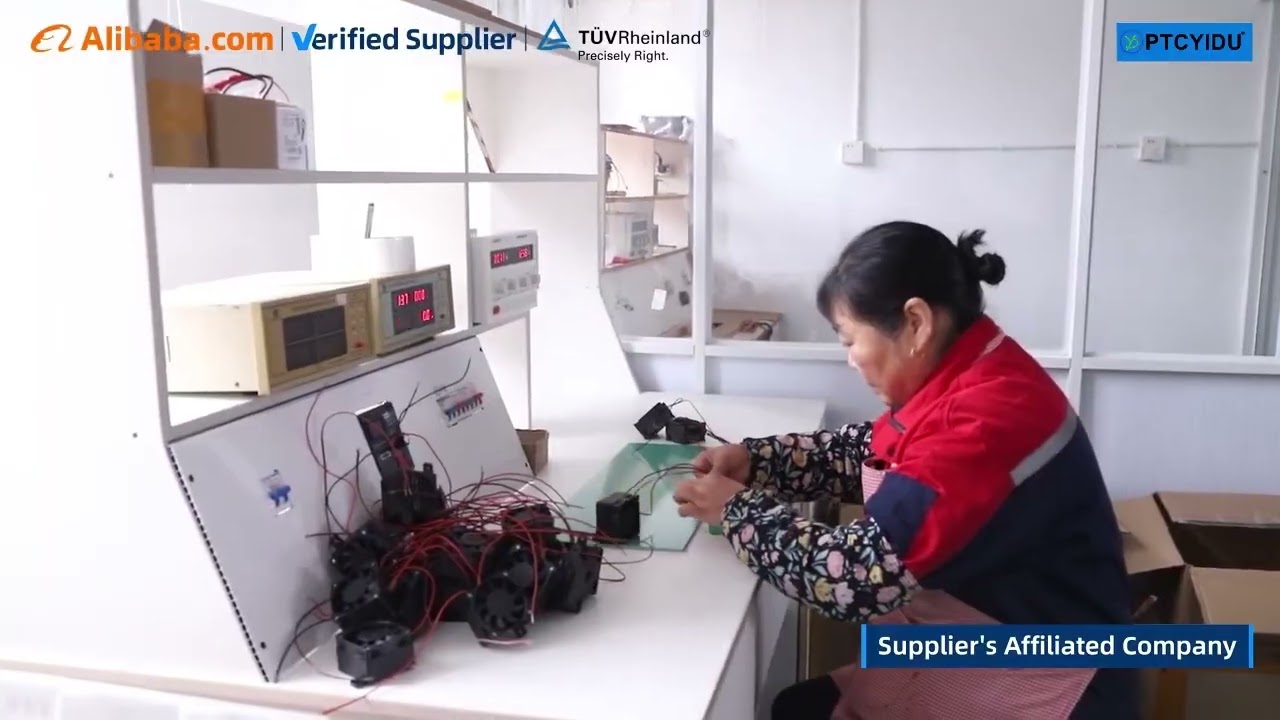
Start with a short checklist and use it every service interval. 1) Visual scan for discoloration, cracking, or residue. 2) Measure cold and hot resistance against manufacturer curves; document deviations. 3) Inspect and retorque connections; replace terminals showing corrosion. 4) Verify control logic: allow warm-up, then observe steady-state behavior for 15–30 minutes. 5) Clean or replace filters that alter airflow and surface temperature. Keep photos and a simple log: patterns reveal slow degradation before it becomes a crisis.
Lifecycle Planning: When to Repair vs. Replace
A PTC’s life ends quietly or violently. Replace when resistance curves no longer match spec after a controlled warm-up, when repeated repairs exceed 40–50% of new cost, or when replacement parts are obsolete. Plan for modular spares: keep a single complete module per critical station and a set of fast-replace connectors. Environmental factors shorten life—high humidity, chemical exposure, or continuous peak load demand shorter review cycles. Use thermal imaging and timed ramp tests to quantify remaining service life rather than guessing.
Alternatives and Their Trade-Offs
If a system demands extreme peak power or fast ramp times, cartridge or band heaters may outperform PTCs at the expense of self-regulation and safety simplicity. Silicone rubber heaters fit curved surfaces but need extra controllers. Choose based on failure tolerance: if occasional manual intervention is acceptable, alternatives can work; if unattended safety and predictable shutoff matter most, PTC modules hold clear advantages.
Pitfalls to Avoid
Don’t assume identical fit means identical performance. A replacement that matches form factor but uses different polymer chemistry will age differently. Avoid over-reliance on one diagnostic metric—combine resistance measurements, thermal imaging, and operational logs. Never bypass protective controls for a temporary fix; those shortcuts turn repairs into accidents.
Stitching the Solution Together
Tell your team the problem plainly: measure, document, and replace on evidence. Build a short, repeatable service ritual and keep at least one validated spare per critical station. Let vendors with transparent datasheets and field-proven assemblies support long runs; their clarity saves hours of guessing. For a practical, tested route from diagnosis to replacement that respects these principles, the steady presence of PTCYIDU sits naturally among the tools and parts you trust.