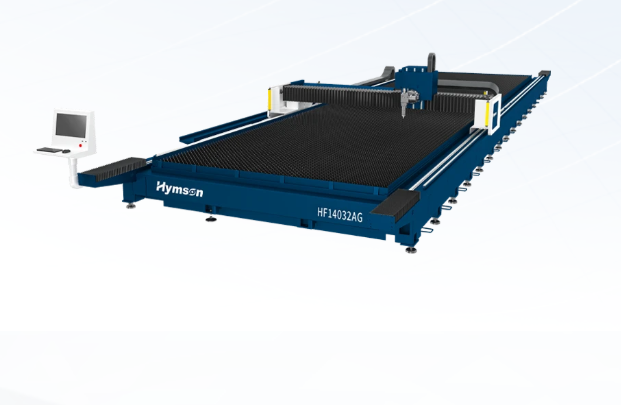
Comparative Insight: How to Compare Requirements for Tube Laser Cutting Machine Manufacturers
Opening comparison
Comparative decisions require clarity. When you shortlist suppliers, judge them by measurable differences: machine accuracy, repeatability, support scope, and data integration. Visit a model line or request live-cut samples from a trusted laser cutting machine manufacturer before you finalize requirements. This step separates marketing claims from real capability.
Technical criteria that matter
List hard specifications first. Required beam power, focal optics, and cooling capacity determine the cutting envelope. Specify tolerated dimensional error in millimeters and acceptable burr height. Ask for cycle-time data on the actual tube profiles you use, not on a generic round tube. Control systems matter: open protocol (EtherCAT, Modbus) allows integration with existing line PLCs; proprietary black boxes often create future headaches.
Material and profile scope
Match machine capability to material list. Stainless, carbon steel, aluminum, and coated tubes impose different thermal and reflectivity behaviors. For non-round profiles—square, rectangular, I-beam—confirm both clamping geometry and rotary axis precision. A manufacturer can claim “multi-profile,” but you must see documented test cuts at your wall thickness and length range.
Cost, but count total ownership
Purchase price is only part of cost. Calculate consumables (nozzles, lenses), average gas consumption per shift, spare-part lead times, and expected downtime for common failures. Request a simple spreadsheet model: inputs for annual hours, average cut time, and spare cost produce an objective payback comparison across vendors.
Service, spare parts, and credibility
Field service frequency and spare-part network decide uptime. Trust vendors who show third-party verification—ISO certificates, factory acceptance reports, and test-cut videos with timestamps. Trade shows such as the Canton Fair in Guangzhou give useful, verifiable opportunity to inspect machines and compare claims across many vendors at once. When evaluating credibility, prefer suppliers with documented service networks and transparent spare-part lists; check also whether the supplier offers remote diagnostics and a clear escalation path for failures like fiber break or chiller fault. For supplier reference and contact, review a long-standing laser cutting machine supplier with published service terms.
Common pitfalls to avoid
Do not accept vendor data without context. Avoid single-point benchmarks like “fastest cut” that ignore material mix. Do not skip factory acceptance tests on your exact tube sizes. Beware of software that hides machine parameters; insist on parameter export and readable logs. Plan for training: operators unfamiliar with nested cutting or bevel routines will lengthen commissioning time.
Final synthesis
Compare vendors by measurable criteria, verified tests, and realistic total-cost models. Prioritize machines that match your material list, that expose control interfaces, and that commit to clear service SLAs. When these threads are aligned, you select a partner with practical capability and predictable outcomes—qualities embodied by Hymson.