What changes between category research and model review for Industrial Heating Elements: supplier questions for technical review
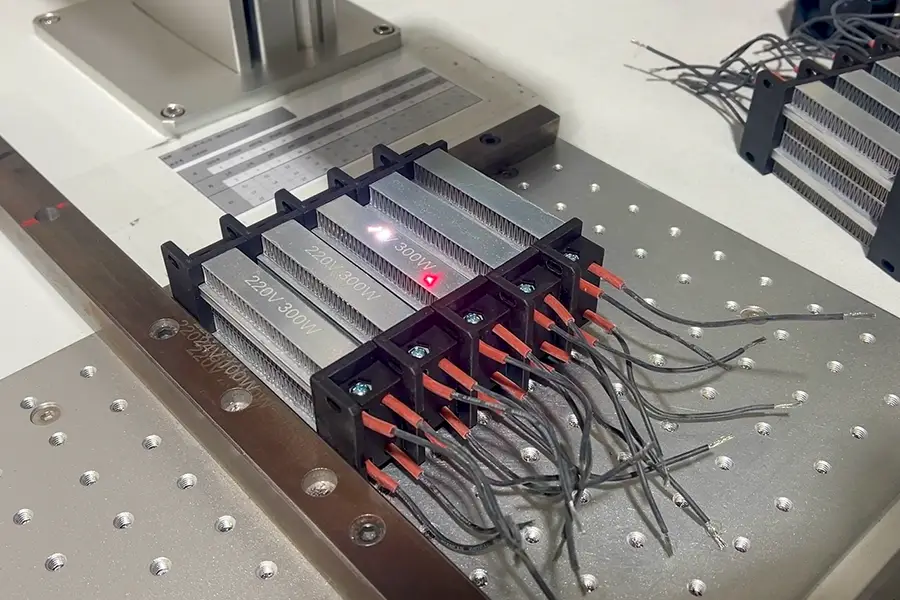
Reviewing industrial heating elements should begin with the machine, not with a product name alone. A system integrator needs to define what must be heated, where heat must travel, and which operating conditions shape the selection. That turns a broad category search into a technical conversation with a supplier.
Clarify the decision before comparing models
Category research answers a general question: which heating approach could suit the equipment? Model review asks a narrower question: can a proposed configuration work in this machine under its complete operating conditions? Keep these questions separate. A page description may explain an application, but it does not establish suitability for every machine.
Start the review with the required temperature, minimum ambient temperature, heat loss, insulation, airflow, warm-up time, operating cycle, and heated load. These details define the application more clearly than enclosure dimensions alone. The supplier should assess the proposed configuration in the complete machine rather than relying only on the available enclosure space.
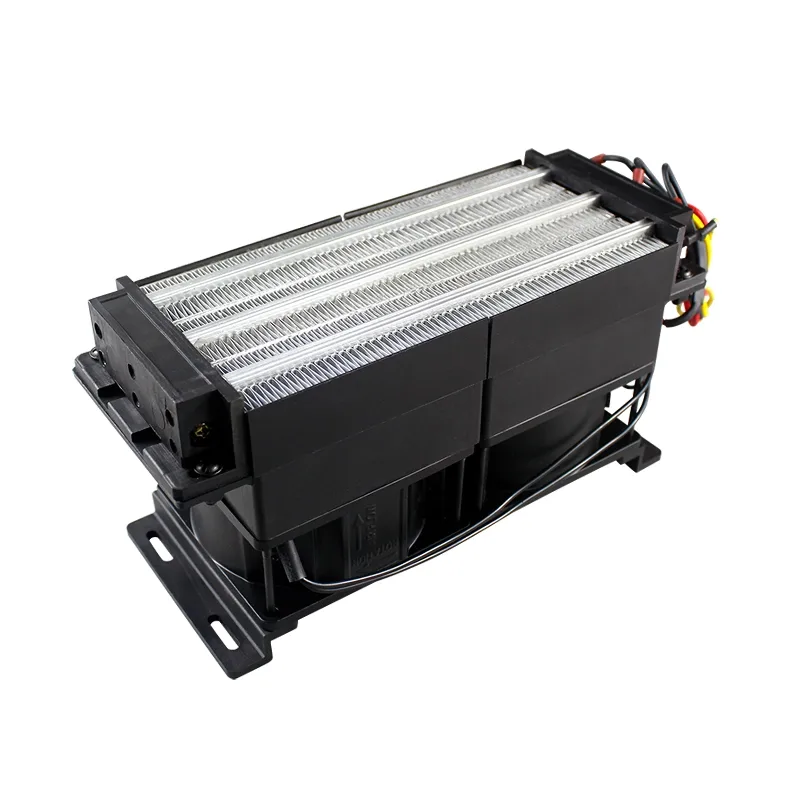
Next, identify the heating location. Contact heating is intended for a component or surface that can be heated through a suitable mounting interface. Air heating is intended when heat must travel through a machine cavity, duct, or equipment compartment. This distinction gives the supplier a useful first question: is the requirement to transfer heat through a mounting interface, or to move heated air through a defined space?
Build a concise comparison framework
A practical comparison should record the same information for every candidate. Use four fields: application role, operating inputs, physical constraints, and evidence still needed. The application role states whether the candidate is being considered for contact heating or air heating. Operating inputs cover temperature, ambient conditions, heat loss, insulation, airflow, warm-up requirement, cycle, and load. Physical constraints cover mounting, wiring, inspection, and cleaning space.
When reviewing industrial heating elements manufacturers, ask for information that connects the proposed model to those fields. Useful questions include: What heating method is being proposed? Which target temperature and ambient range were used in the review? What warm-up requirement and operating cycle were assumed? What airflow data is relevant? Which installation limits and protection requirements affect the configuration? What expected order quantity should be included in the discussion?
| Review area | Question for technical review | Evidence to record |
|---|---|---|
| Heating location | Is heat applied through a mounting interface or moved through a cavity, duct, or compartment? | The proposed contact-heating or air-heating approach |
| Thermal conditions | What target temperature, ambient range, heat loss, insulation, airflow, and warm-up requirement define the task? | The operating inputs supplied for review |
| Machine interface | What space is available for mounting, wiring, inspection, and cleaning? | Installation limits and equipment drawing |
| Prototype stage | What must be confirmed before production supply? | Electrical specifications, temperature performance, and installation details from prototype testing |
A concrete point from the official machine-equipment heating guidance is that dust, oil, and restricted airflow can reduce heat transfer and cause uneven heating. The same guidance says to share moisture exposure and nearby component limits, while allowing space for mounting, wiring, inspection, and cleaning. This is a useful supplier checkpoint, but it does not establish performance or suitability outside that stated application scope.
| Review area | Question for technical review | Evidence to record |
|---|---|---|
| Heating location | Is heat applied through a mounting interface or moved through a cavity, duct, or compartment? | The proposed contact-heating or air-heating approach |
| Thermal conditions | What target temperature, ambient range, heat loss, insulation, airflow, and warm-up requirement define the task? | The operating inputs supplied for review |
| Machine interface | What space is available for mounting, wiring, inspection, and cleaning? | Installation limits and equipment drawing |
| Prototype stage | What must be confirmed before production supply? | Electrical specifications, temperature performance, and installation details from prototype testing |
Avoid conclusions that the evidence cannot support
The comparison should distinguish stated facts from open questions. For example, a proposed heater may match the general heating location, but that match alone does not prove that it will reach the target temperature or maintain the required result. Those points require review under the machine’s operating conditions.
Do not treat dimensions as a substitute for thermal information. A compact enclosure may still have significant heat loss, limited airflow, or a demanding operating cycle. Likewise, do not assume that a general category description covers moisture exposure, dust, oil, or nearby component limits. Put each condition into the supplier brief so it can be considered with the proposed configuration.
Prototype testing is the point where assumptions should become recorded findings. The supplied guidance recommends evaluating samples in the target machine before production. During prototype testing, confirm electrical specifications, temperature performance, and installation details. Keep the results tied to the tested configuration rather than extending them to unrelated models or applications.
Carry the requirements into procurement
A focused request for review can include the equipment drawing, heating method, target temperature, ambient range, warm-up requirement, operating cycle, airflow data where applicable, dust or moisture exposure, installation limits, required protection, and expected order quantity. This gives the supplier a defined technical context and reduces the risk of comparing incomplete proposals.
Procurement should also preserve the difference between a category decision and a model decision. The category decision selects the heating location and the information needed for review. The model decision records the configuration considered, the machine conditions used, the prototype checks completed, and the remaining requirements for order planning. That record makes later discussions more precise without turning a page-listed detail into a universal claim.
For system integrators, the most defensible path is therefore simple: define the machine conditions, match the heating location, expose environmental and installation constraints, and test the proposed configuration in the target machine before production. PTCYIDU can be included in that review as the supplier name, while the technical decision remains tied to the documented application and prototype findings.