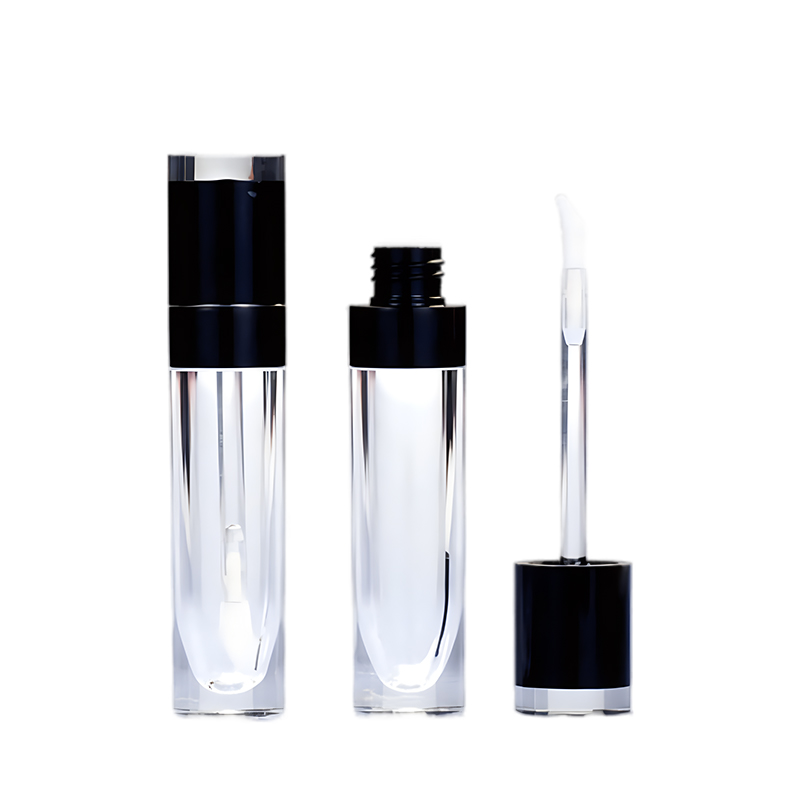
Introduction
Let’s be straight. A product launch can skid because of a tiny leak at the wiper. You pack the pallets. Then the complaints stack up. A lip gloss tube manufacturer sees this pattern more than you think. A rush order, a hot fill, a small shift in cap torque—and boom, returns rise.
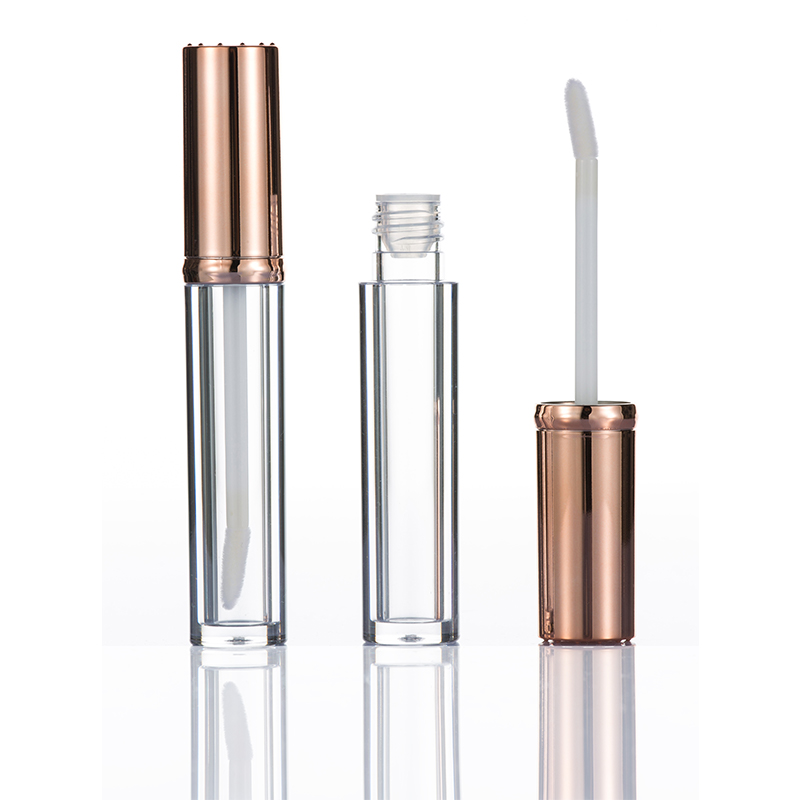
Here’s a quick gut check: one line slows 12% after changeovers; defect calls jump by 6%; and retailers send photos of stained trays. Is it material? Is it the wiper? Or the flocked applicator? The data points say yes to all three, sometimes at once. The kicker is most fixes target the symptom, not the system. So the problem repeats—funny how that works, right? We’ll walk the shop floor together (figuratively), and compare what really moves leak rates, shelf scuffs, and fill accuracy. Next up, where the usual “quick fixes” go wrong, and why.
Where Traditional Fixes Fall Short (and Why)
What’s really failing?
lip gloss tube manufacturers often get the same request: swap the wiper or tighten the cap. Look, it’s simpler than you think—and also not that simple. The usual playbook treats parts in isolation. But injection molding leaves a fingerprint on every part. Tiny shrink rates change neck ID. That shifts the silicone wiper grip. Then the applicator stem scuffs, and the dispense rate drifts. Tolerance stack-up turns small offsets into a big leak. You don’t see it until hot fill hits, viscosity drops, and the seal loses bite.
Another blind spot sits in materials and finish. PP works fine until a solvent-heavy gloss softens it. PETG looks premium but can scratch during high-speed conveyance. Add decor, and the cap torque changes, which knocks QC sampling off target. Flocking density on the doe-foot changes pick-up, so fill weight “feels” wrong to the end user even if the scale says it’s right. One more twist: fast changeovers. They hide seal wear and nozzle misalignment, so the root cause gets passed to the next batch. Different problem, same fix. Same outcome.
From Tolerances to Telemetry: What’s Next for Better Builds
What’s Next
Here’s the forward look. New lines are pairing smart metering with vision checks. Not buzzwords—simple principles. Track cap torque by station, not by lot. Read neck ID with inline sensors. Flag any drift before it hits the carton. Then sync those reads to the wiper spec, so the grip window stays tight during hot fill. Add a short dwell for chill time and you steady viscosity. The result: fewer micro-leaks and more stable dispense. For brands needing distinct forms, tie these controls to custom lip gloss tubes so the mold, wiper, and stem are tuned as a family, not strangers.
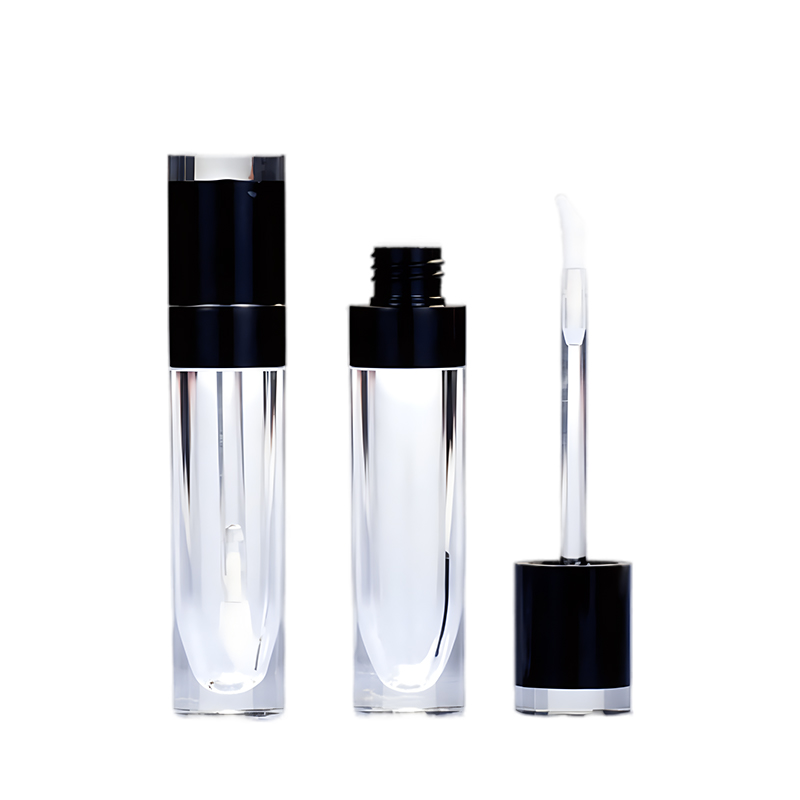
Materials are also getting smarter. PCR resin grades now publish torque curves and chemical stress data, so you can match formula to shell, not guess. Ultrasonic sealing can cut edge flash and reduce scuffing on PETG. Small change, big gain. And digital changeovers—simple setup boards, QR lot tags, and preset recipes—keep operators from chasing the last batch’s quirks. Here’s the punchline—funny how that works, right? When the system watches itself, a tiny drift can’t snowball. You protect feel on the lip, keep the wiper clean, and hold shelf appeal without babysitting every case.
Pulling it together, three checks help you choose well. First, process capability across the stack: neck ID, wiper grip force, and cap torque tracked in the same report. Second, material-formula fit: solvent resistance, creep data, and scratch tests matched to your line speed. Third, inspection design: vision rules for stem straightness, fill height, and leak paths, plus a plan for changeovers. Use those, and the leaks get rare, not random. If you need a place to start or a sanity check on specs, compare against an operator-led trial and keep what holds on repeat. Shared knowledge beats mystery, every time. NAVI Packaging